Science & TechnologyS


Moon

Scientists now think a deep reservoir of water exists beneath the moon's surface that could help support a colony

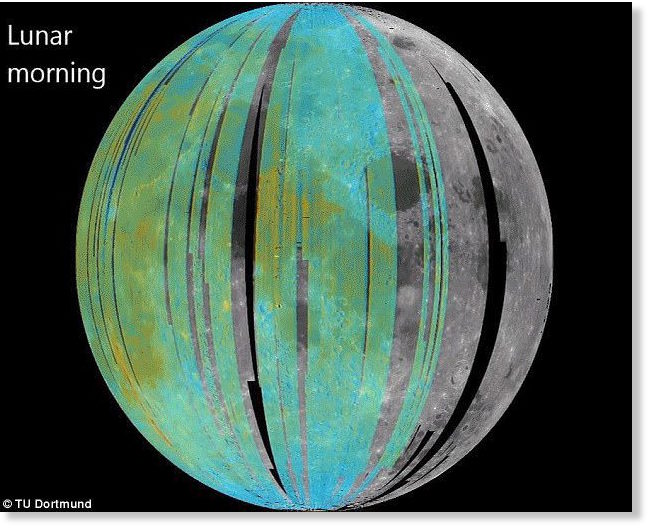
Lunar morning
A new study shows the surface of the moon has more water than we thought, suggesting the interior of our natural satellite could hold a deep reservoir of water
When you think of the moon you might picture a dry, desolate, rocky place, but recent evidence has been putting this idea to the test.

A new study shows the surface of the moon has more water than we thought, suggesting the interior of our natural satellite could hold a deep reservoir of water.

This new finding bolsters the idea that the lunar mantle is surprisingly water-rich, which could make colonizing it for future space exploration much easier.

A group of researchers from the Technical University of Dortmund, Germany, used data from the Moon Mapping Mission to search for clues of water in the spectrum of light reflected from its surface.

By looking at which wavelengths of light are absorbed or reflected by the surface, scientists could get an idea of which minerals and other compounds are present.

Health

Healing with the turbulent powers of plasma jets?

plasma jets
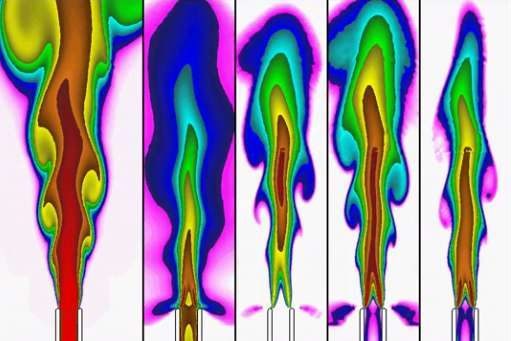
The jets of plasma that doctors might use, however, often become turbulent with the direction and velocity changing dramatically. Now, researchers have found this turbulence likely emerges from heat-induced sound waves generated at the plasma electrodes. This new insight is critical for more consistent and effective medical therapies.

"Now that we understand where the induced turbulence in atmospheric pressure plasma jets is coming from, it may be possible to better control it," said Amanda Lietz of the University of Michigan, who is an author of a new report discussing these results, based on computer simulations, appearing as the cover article this week in the journal Applied Physics Letters.

A plasma is an ionized gas consisting of the positively charged ions and free-flowing electrons. They tend to be extremely hot, like those found in fusion devices. Non-equilibrium atmospheric pressure plasma jets, however, are cool to the touch.

In a typical medical device, atmospheric pressure plasma is made from a noble gas such as helium. An electric field ionizes the helium by removing an electron from each atom, creating a plasma that's not only at atmospheric pressure, but is also near room temperature.

Cloud Precipitation

Monster storms like Irma start off the coast of the Cape Verde islands, say researchers

Cape Verde
Just weeks after Hurricane Harvey caused destruction in Texas, Irma has made landfall in Florida - and there are still almost 12 weeks left of Atlantic hurricane season. It raises the question - where are all of these storms coming from?

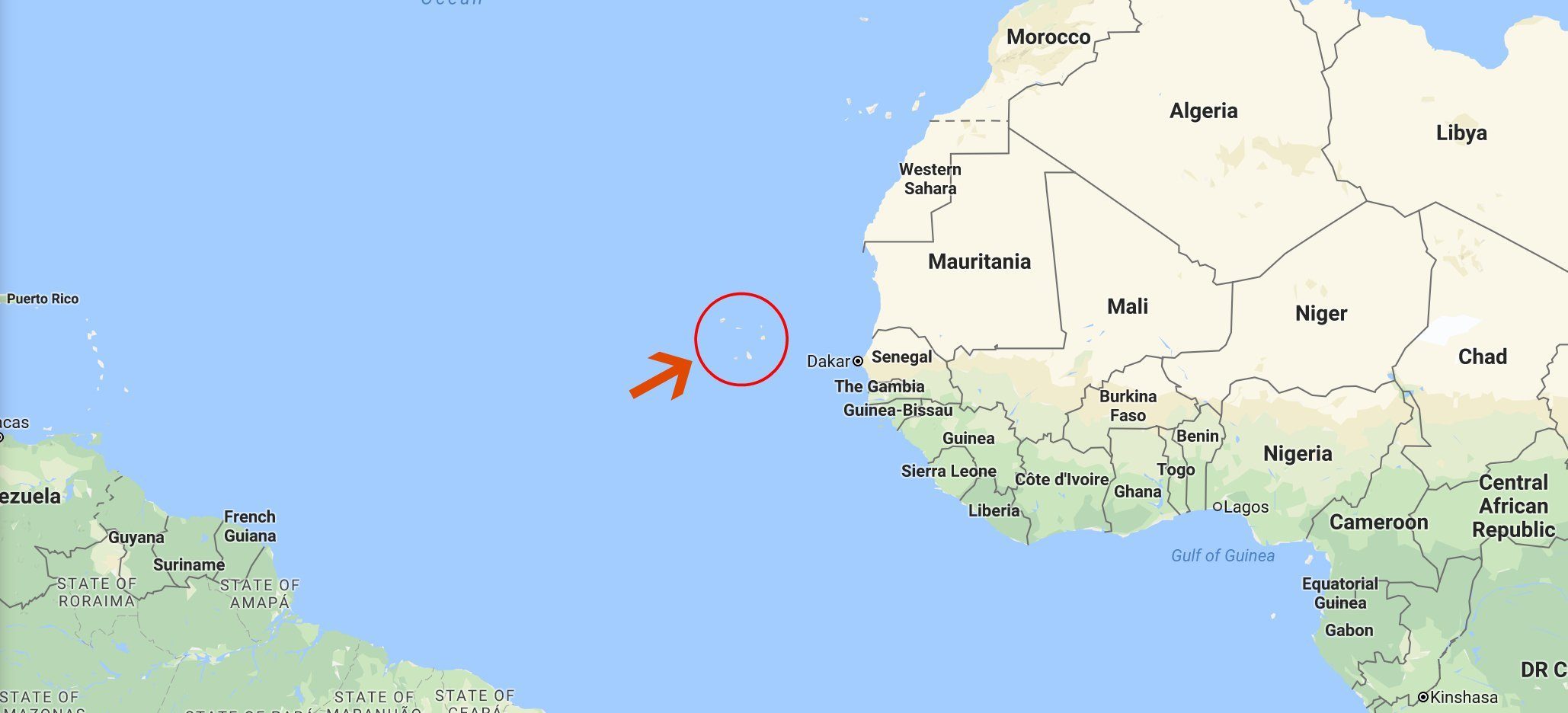
Research has shown that most of the monster storms that hit the US and Canada start out as a distinct weather pattern in the atmosphere over western Africa, specifically a spot off the coast of the African Cape Verde islands.

In fact, a 2015 study published in Geophysical Research Letters showed that by closely watching these tropical disturbances off the coast of western Africa, researchers could better predict which of them would turn into serious hurricanes a few weeks later.

Solar Flares

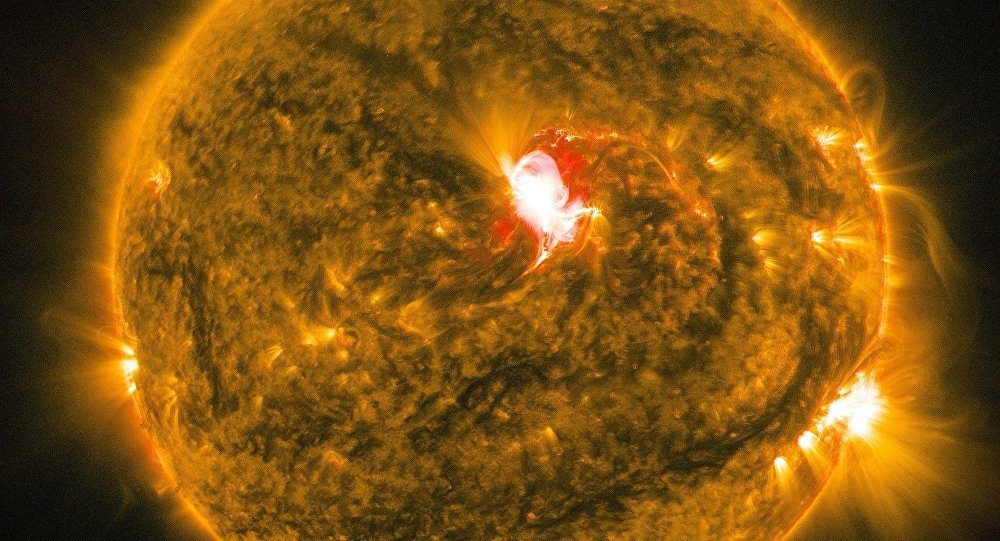
Sun unleashes major X8.2 solar flare, second strongest of the cycle & 4th X-class in a week

X8.2 solar flare
© spaceweather live.comX8.2 solar flare
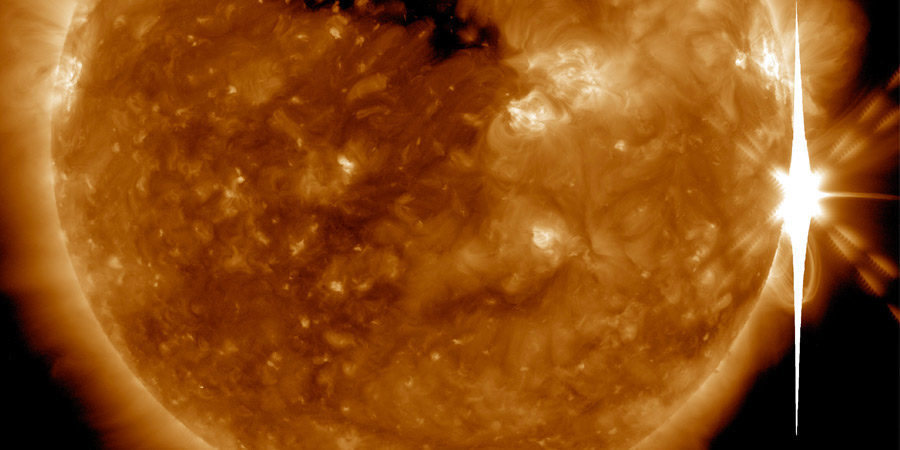
This is the second strongest solar flare of solar cycle 24. Sunspot region 2673 was also responsible for the strongest solar flare of this solar cycle: X9.3 on 6 September! What an amazing sunspot region! You shall be missed!

With the X8.2 solar flare, a huge and very fast Coronal Mass Ejection was launched into space, it was seen by the STEREO A coronograph instrument.

Comment: Related articles from the past week:


Chalkboard

US forecast models have been quite awful compared to European ones during Hurricane Irma

storm graphic
NOAA's best weather model seems to be getting worse with hurricanes, not better.

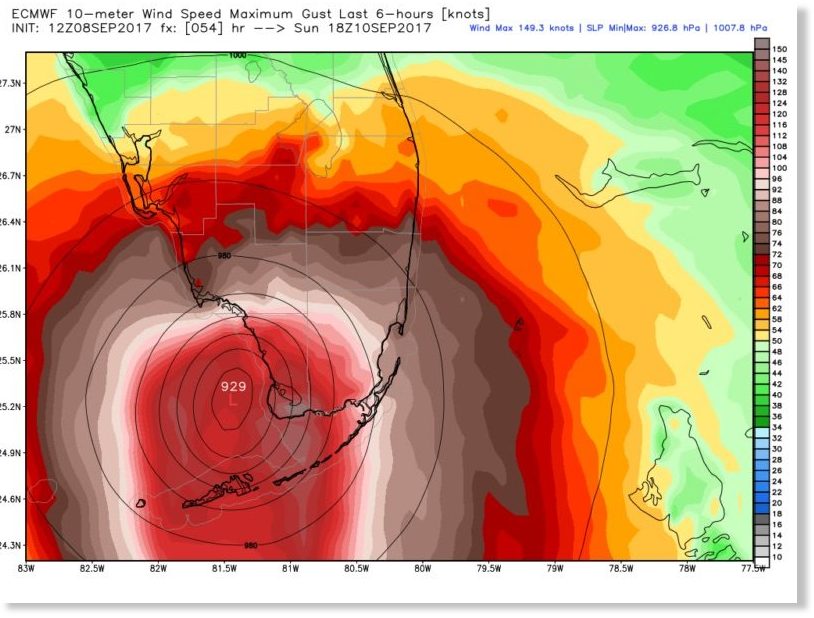
We have written a fair amount at Ars recently about the superiority of the European forecast model, suggesting to readers that they focus on the ensemble runs of this system to get a good handle on track forecasts for Hurricane Irma. Then we checked out some of the preliminary data on model performance during this major hurricane, and it was truly eye-opening.

Brian Tang, an atmospheric scientist at the University of Albany, tabulates data on "mean absolute error" for the location of a storm's center at a given time and where it was forecast to be at that time. Hurricane Irma has been a thing for about a week now, so we have started to get a decent sample size-at least 10 model runs-to assess performance.

Megaphone

Bacterial biofilms use bursts of electricity to communicate

bacteria
© Olena Shmahalo/ Quanta MagazineWith electrical signals, cells can organize themselves into complex societies and negotiate with other colonies.
Bacteria have an unfortunate - and inaccurate - public image as isolated cells twiddling about on microscope slides. The more that scientists learn about bacteria, however, the more they see that this hermitlike reputation is deeply misleading, like trying to understand human behavior without referring to cities, laws or speech. "People were treating bacteria as ... solitary organisms that live by themselves," said Gürol Süel, a biophysicist at the University of California, San Diego. "In fact, most bacteria in nature appear to reside in very dense communities."

The preferred form of community for bacteria seems to be the biofilm. On teeth, on pipes, on rocks and in the ocean, microbes glom together by the billions and build sticky organic superstructures around themselves. In these films, bacteria can divide labor: Exterior cells may fend off threats, while interior cells produce food. And like humans, who have succeeded in large part by cooperating with each other, bacteria thrive in communities. Antibiotics that easily dispatch free-swimming cells often prove useless against the same types of cells when they've hunkered down in a film.

As in all communities, cohabiting bacteria need ways to exchange messages. Biologists have known for decades that bacteria can use chemical cues to coordinate their behavior. The best-known example, elucidated by Bonnie Bassler of Princeton University and others, is quorum sensing, a process by which bacteria extrude signaling molecules until a high enough concentration triggers cells to form a biofilm or initiate some other collective behavior.

Sun

NASA: The sun emits its sixth solar flare in just five days

solar flares
© CCO
The sun has emitted a sixth solar flare in just five days, the US National Aeronautics and Space Administration (NASA) said Friday.

"The sun emitted one mid-level solar flare on Sept. 8, 2017. The flare peaked at 3:49 a.m. EDT. This is the sixth sizable flare from the same active region since Sept. 4," the space agency said.

The flare was classified as an M-class one, measuring a tenth the size of the most intense flares, the X-class flares.

Comment:


Dig

New research reveals a way to detoxify dirt - infrared lasers

dirt
© Colin/Flickr
To feed a growing population, our global food system relies on sufficient farmland. But over the past 40 years, one-third of arable land has been lost to erosion or sullied by pollution.

Man-made chemicals and fertilizers used to improve crop yields can persist in soil for years, making it less fertile over time. Antibiotics in animal manure seep out and also cause degradation. Oil spills and environmental disasters can impact large parcels of land. And all this is compounded by the sluggish pace at which new topsoil is formed-about 2.5 centimeters every 500 years.

Brain

Sine-wave speech: People who hear voices in their head can also pick up on hidden speech

ear puzzle
© DepositphotosWhy some people hear voices where none is present has long been a psychological puzzle.
Serial killer David Berkowitz, also known as the "Son of Sam," famously claimed that he heard voices in the form of a dog telling him to commit murder. But hearing voices isn't necessarily a sign of psychosis. In fact, according to the authors of a recent study published in the journal Brain, enhanced attention-related nerual pathways might cause these illusory sounds. People hear them because their brains may be especially primed to pick up speech.

Radar

Gaydar: Stanford U. creates computer algorithm that can distinguish straight from gay

facial analysis
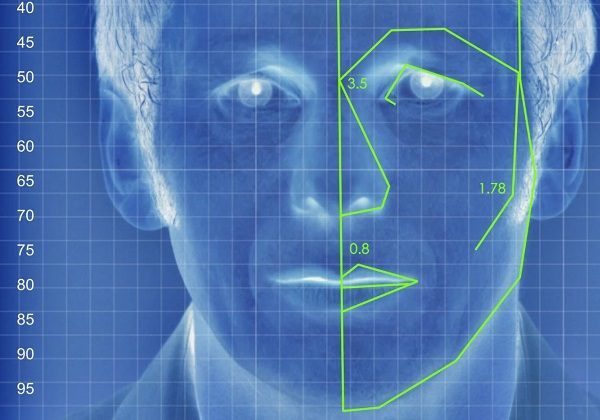
© AlamyAn illustrated depiction of facial analysis technology similar to that used in the experiment.
Artificial intelligence can accurately guess whether people are gay or straight based on photos of their faces, according to new research that suggests machines can have significantly better "gaydar" than humans.

The study from Stanford University - which found that a computer algorithm could correctly distinguish between gay and straight men 81% of the time, and 74% for women - has raised questions about the biological origins of sexual orientation, the ethics of facial-detection technology, and the potential for this kind of software to violate people's privacy or be abused for anti-LGBT purposes.

The machine intelligence tested in the research, which was published in the Journal of Personality and Social Psychology and first reported in the Economist, was based on a sample of more than 35,000 facial images that men and women publicly posted on a US dating website. The researchers, Michal Kosinski and Yilun Wang, extracted features from the images using "deep neural networks", meaning a sophisticated mathematical system that learns to analyze visuals based on a large dataset.

The research found that gay men and women tended to have "gender-atypical" features, expressions and "grooming styles", essentially meaning gay men appeared more feminine and vice versa. The data also identified certain trends, including that gay men had narrower jaws, longer noses and larger foreheads than straight men, and that gay women had larger jaws and smaller foreheads compared to straight women.