
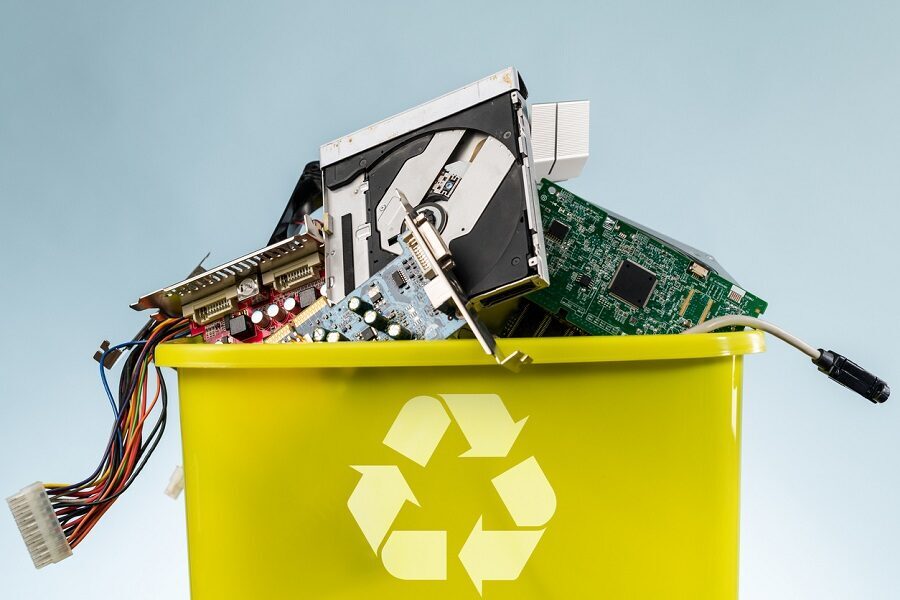
From the position of the archaeologist, technology is a neutral term. From flint hand axes to sickles, antler harpoons to fish traps, the earliest forms of technology leverage efficiency and capability at the interface between the human and the rest of the world. There is nothing unnatural about this - crows, otters, monkeys, even crocodiles make use of manipulated objects to exploit their dietary niche. Where there are concerns about how modern technology functions, they shouldn't be framed as a dichotomy between 'good' and 'bad', but rather at the specific problems created. Too often what counts for academia today will position any discussion of technology in a framework of 'neoliberalism' and 'systems thinking'. Some will talk of the Anthropocene, barely suppressing their glee at the control such definitions bring. What I want to do here is outline some concrete and non-systemic threats that specific technologies pose. It is my contention that only through approaching risks to the natural world in this way will we actually retain the ability to tackle them. Beyond the nebulous outlines of international agreements and porous commitments lies the bulwark of the nation state and its capacities, let us not be shy in demanding it makes use of them.
Mining the Sea-Floor: Polymetallic Nodules
The new Green Revolution and its consequences are rolling like a tidal wave across the world. One of its most insidious children is the 'net-zero' mining industry. To be absolutely clear, the new eco-friendly techno-complex of electric cars, wind and solar generated energy and the vast new infrastructure of batteries needed to support these relies precariously on this industry's ability to extract unprecedented amounts of raw minerals. According to the World Bank's 2020 report: Minerals for Climate Action, the increase in mineral production includes a staggering 488% increase in demand for lithium, 460% for cobalt, 231% for indium and a 189% increase for vanadium. The projections for the UK to meet its target for electric cars would require the world's current output of neodymium, almost twice the world's production of cobalt and three-quarters of the global lithium production. With two of the main countries for nickel, cobalt, manganese and copper being China and the Democratic Republic of Congo, the race has started to find alternatives mining venues. European nickel mines are one option, but by far the most enticing is the prospect of under sea mining.
















Comment: More from Ryan Dawson: All while the body is barely cold on this one: