
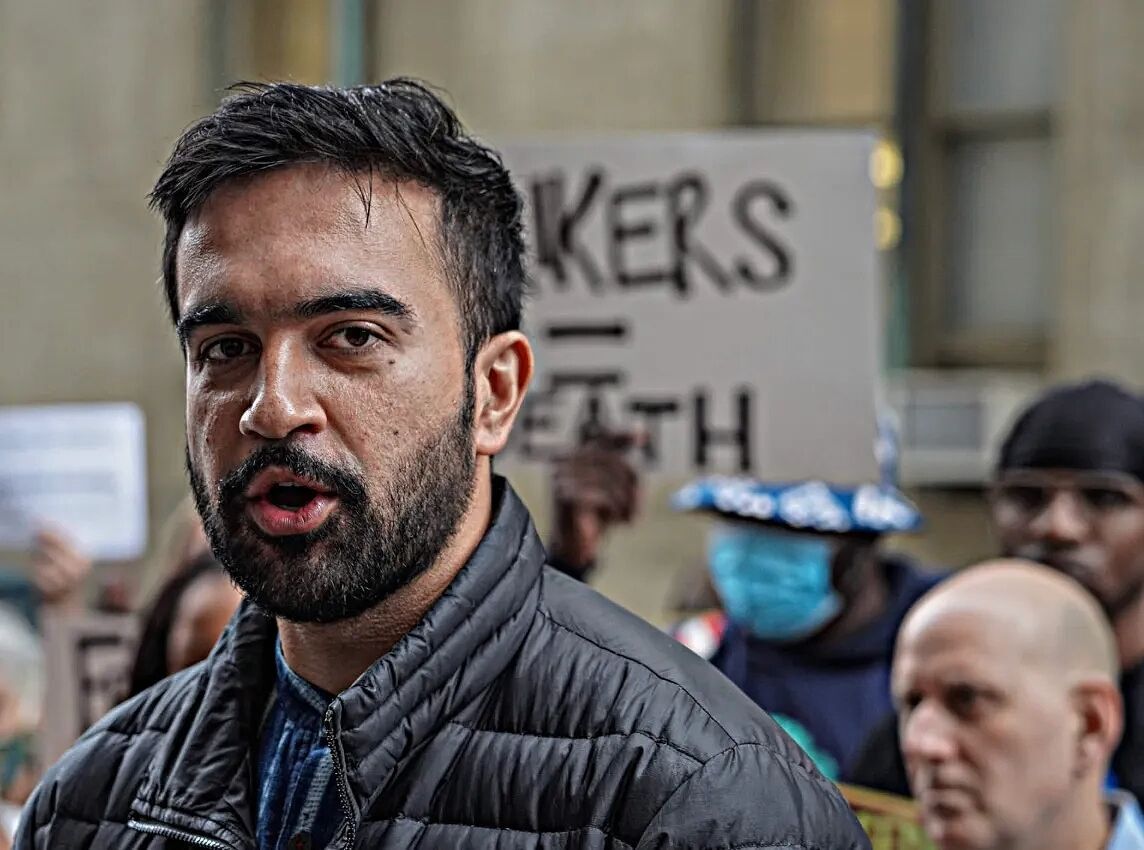
© Dean MosesNew York City Mayor Zoran Mamdani
Rocket surgeon Zohran Mamdani has a new tax idea making the rounds in Albany: slash New York's estate tax exemption from more than $7 million to $750,000 and crank the top rate up to 50 percent.
People think the eye-popping number is the 50 percent rate, which is clearly meant to sound like a blow against billionaire dynasties. But as is often the case with policies put forth by wannabe communist heroes and faux-academic sounding imbeciles with zero private sector or real world experience, the devil is in the details and the policy will harm those it claims to protect.
How? The real giveaway is the threshold. That's where the proposal stops being a tax on the ultra-rich and starts looking like something else entirely. Because $750,000 in New York is not generational wealth. It's a two bedroom house in Queens.
In fact, in much of New York City it's barely even a nice house. A modest place in Queens, Brooklyn, or Staten Island — bought decades ago by a schoolteacher, a nurse, a firefighter, or a city clerk — can easily be worth that much today. Add a retirement account and some savings and suddenly the estate of a thoroughly middle-class family is brushing up against a tax that was supposedly designed for oligarchs.
That's the sleight of hand here. Politicians love to frame these proposals as a crusade against the rich, but a $750,000 threshold punishes people who spent forty years paying off a mortgage.
And it's not as if New York lacks estate taxes already. The state already imposes its own estate tax on top of the federal one. Most states don't do that at all. Among the ones that do, the exemption levels vary widely — and almost all of them are higher than what Mamdani is proposing. Dropping the threshold to $750,000 would effectively give New York the lowest estate tax exemption in the country. If the goal is to make the state the national leader in taxing inheritances from ordinary homeowners, mission accomplished.
The proposal surfaced in a memo Mamdani's office circulated to lawmakers as state budget negotiations heat up. The mayor is trying to close a projected $5.4 billion budget gap for the coming fiscal year, and the city's longer-term finances look even worse. According to Mark Levine, New York City could face roughly $28 billion in deficits over the next four years. Those are real numbers and real problems. But "tax more dead people's houses" is not exactly the thoughtful fiscal strategy it's being presented as.
There is actually broad public support for taxing extreme wealth. If someone wants to raise estate taxes on billionaires, plenty of voters would cheer them on. But a $750,000 exemption doesn't go after billionaires. It goes after the family home in Queens or the Bronx.
That's the part that makes the proposal feel less like bold policy and more like sloppy communism. The rhetoric says "tax the rich." The math says "tax the middle class." And in New York's housing market, that difference is the entire story.



Reader Comments