RTWed, 04 May 2022 09:33 UTC
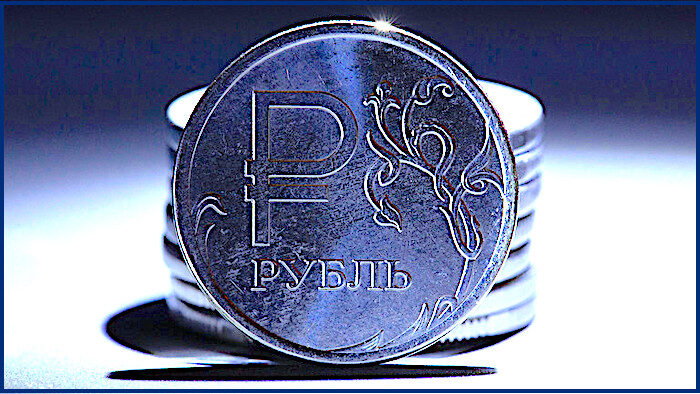
© Bloomberg Creative/Getty Images
Russia's dollar payments on two foreign bonds have reached foreign creditors, Bloomberg reported on Tuesday. Ukraine-related sanctions had been holding up transactions for weeks, fueling fears of a default.
Russia settled the $564.8 million payment on a 2022 Eurobond, and a $84.4 million payment on a 2042 bond on Friday, with Russia's Finance Ministry saying that Moscow sent dollars to the paying agent, the London branch of Citibank N.A.
According to Bloomberg, citing its sources,
major international clearinghouses have received and processed the payments. Also, three investors confirmed to the publication on Tuesday that their custodian banks had received the funds.
Earlier in April, Moscow attempted to pay foreign holders of Eurobonds in rubles after
Western nations froze nearly half of Russia's foreign exchange reserves, worth over $300 billion, as part of sanctions over Ukraine.
The step was taken after the US Treasury stopped Russia from paying holders of its sovereign debt more than $600 million from reserves held in US bank accounts, saying that Moscow had to choose between draining its dollar reserves and default.Russia would be considered in default if it failed to make the bond payment within a 30-day grace period that ends on Wednesday. Moscow has repeatedly insisted that
the blocking of payments should be considered a default by the West on its financial obligations to Russia.
Comment: Contrary to Western hopes and opinion,
the ruble is doing well:
The Russian ruble rose to its strongest position against the US dollar in over two years on Tuesday, amid reports that Russia's dollar payments on two foreign bonds reached the creditors just before the deadline, averting a default.
The exchange rate reached 66.43 rubles per dollar at 13:06 GMT during Tuesday's foreign exchange trading, Bloomberg data showed, although the Russian currency lost some of its gains later in the day. The Moscow Exchange was closed on Tuesday due to an extended public holiday.
When trading in Moscow opened on Wednesday, the Russian currency was at just under 69 rubles per dollar at 09:12 GMT, the highest level since May 2020.
The ruble has been strong against the euro as well, touching 72.00 in morning trading in Moscow, its highest point since February 2020.
This comes as the EU proposed a sixth package of sanctions against Moscow, which includes the gradual phasing-out of Russian oil imports.
On Friday the Russian central bank cut its key interest rate to 14% in the latest attempt to boost lending in the sanction-hit economy.
The euro is currently hovering around a five-year low against the dollar with soaring inflation and energy uncertainty caused by the Ukraine-related sanctions against Russia.
Money, manipulated or not, has no allegiance.




Comment: Contrary to Western hopes and opinion, the ruble is doing well: Money, manipulated or not, has no allegiance.