RTWed, 04 May 2022 17:10 UTC
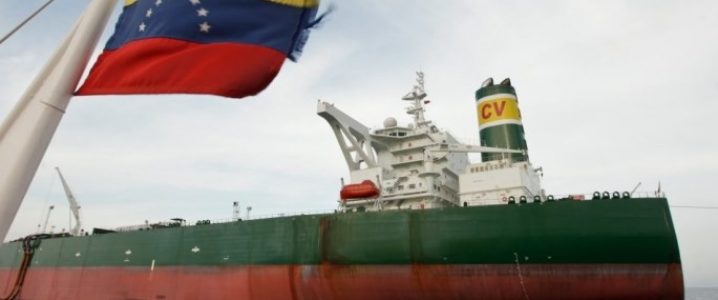
A Russian oil tanker
The European Union is seeking to go beyond an import ban on Russian crude as part of its new sanctions package, Bloomberg reported on Wednesday. It said that Brussels plans to target insurers to undermine Moscow's ability to ship oil anywhere in the world.
According to officials and a draft document seen by the outlet,
the bloc is proposing banning European vessels and companies from providing services, including insurance, linked to the transportation of Russian oil and products globally.
Without this insurance, Russia and its customers would have to find alternatives for risks including oil spills and mishaps at sea, the media said.
The insurance measures come on top of the EU's plan to ban imports of Russian crude and refined products by the end of the year. On Wednesday, the European Commission proposed
a sixth package of sanctions against Moscow, which includes an embargo on Russian oil. According to Reuters sources, the oil ban is to take effect in six months, with no phase-out, for both spot market and existing contracts.
The Kremlin, in turn, warned that a ban on the import of Russian oil by the European Union would "hit everyone."
"Such an embargo will have a very serious impact on the global oil market," Kremlin Press Secretary Dmitry Peskov said, adding that it would badly "affect the energy balances on the European continent."
Comment: Russia doesn't lack for tanker capacity, and the insurance problem can be covered by the Russian government, but there is still the problem of being refused entry to ports around the world. There is a time limit to how long this can go on. Oil is the lifeblood of every developed country, especially in Europe.
Crude could surge to $185/barrel if EU bans Russian crude - JP MorganFrom
OilPrice News:
Several Russia-owned tankers have been idle at sea for more than a week along European and North American coasts as countries have either banned imports of Russian oil or Russian vessels docking at their ports, all this while many traders and buyers refuse to deal with Russian crude.
As many as nine mid-sized vessels, Aframaxes, owned by Russian state tanker fleet operator Sovcomflot have been idle around North America and Europe for over a week, while a typical idle time for a tanker is a day or two, Bloomberg reported on Friday, quoting ship-tracking data it has compiled.
Many Western countries and companies are not risking touching Russia-linked crude shipped by Sovcomflot, which is majority held by the Russian government.
Sovcomflot, with a total fleet of 110 tankers, owns 52 Aframaxes, which makes it the world's largest owner of those type of vessels, according to data from Clarksons Research Services cited by Bloomberg.
After the Russian invasion of Ukraine, several countries banned Russian ships from their ports and waters. Canada and the UK were the first. On March 1, Canada prohibited Russian ships and fishing vessels from entering Canadian ports and internal waters. The UK banned on the same day from it ports any vessels "owned or operated by anyone connected to Russia" and said that authorities would also gain new powers to detain Russian vessels.
Two days after the Canadian ban, two Sovcomflot-owned oil tankers rerouted from their destinations in Canada.
In the UK, port workers at a terminal on the River Mersey, from where oil is pumped to Stanlow Oil Refinery, refused last week to unload Russian oil from a Germany-flagged ship.
While Sovcomflot's tankers in the Pacific do not appear to be idling like the ones near Europe or North America, the problem for the Russian tanker owner could become much worse from now on, considering that a growing number of traders and buyers in Europe will likely be shunning Russia-related crude due to "self-sanctioning" and reputational risks.
Still:






Comment: Russia doesn't lack for tanker capacity, and the insurance problem can be covered by the Russian government, but there is still the problem of being refused entry to ports around the world. There is a time limit to how long this can go on. Oil is the lifeblood of every developed country, especially in Europe.
Crude could surge to $185/barrel if EU bans Russian crude - JP Morgan
From OilPrice News: Still: