Health & WellnessS


Red Flag

It's not just Monsanto's genetically engineered wheat: You may already be eating rogue GE crops

Image
Can humans control and contain genetically engineered crops? The answer appears to be no.

Of the four major crops grown in the U.S., genetically engineered (GE) seeds are available for three: corn, soybeans and alfalfa. But a farmer growing the fourth major crop, wheat, could not (legally) plant GE seeds even if he wanted to. The biotech giant Monsanto did develop a variety of GE wheat years ago, but never sold it commercially because the wheat industry felt its customers did not want it.

In theory, the last of this GE wheat ever planted in Oregon, where Monsanto carried out some of its field trials, was in 2001. But an Oregon farmer just discovered that same wheat growing in his field this year.

The discovery of the unauthorized wheat has thrown the industry into chaos. Japan and South Korea suspended their wheat imports from the Pacific Northwest. A Kansas farmer is suing Monsanto for harming the entire wheat industry with its negligence. What no one can explain is how the GE wheat got into the farmer's field - although Monsanto assures us that this is an "isolated event."

Clipboard

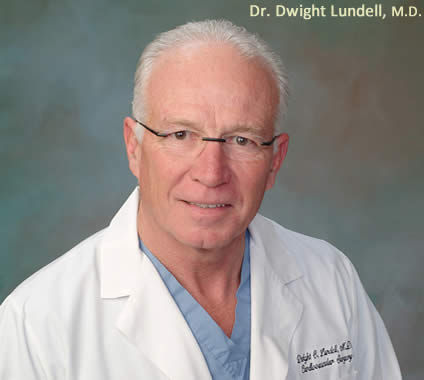
SOTT Focus: Behind the Headlines: Disease and Modern Diet, an Interview with Dr. Dwight Lundell

Dr Lundell
© n/a
Over a century ago, a 'scientific breakthrough' ushered in radical dietary changes that saw the US, and eventually most of the world, put on a low-fat diet. The discovery that high cholesterol levels were associated with coronary heart disease led to saturated fats, particularly animal fats, being singled out for elimination from meals. In theory, they told us, people will get less heart attacks and become healthier.

But what actually happened?

Rates of coronary heart disease rose to today's staggering levels. Some 75 million Americans currently suffer from heart disease, 20 million have diabetes and 57 million have pre-diabetes. Today, nearly half of all Americans can expect to get cancer at least once.

This week we're going to be talking with Dr. Dwight Lundell, who spent 25 years performing over 5,000 heart surgeries before realizing that the theory he believed in and promoted was not just wrong, it significantly contributed to the explosion of disease.

Running Time: 02:00:00

Download: MP3


Smoking

Flashback Smoking: The black lung lie

A discussion of 'smokers' black lungs' started in the comments today. It's the widespread belief that smokers' lungs turn black. Rose pointed out that it all started with James I about four centuries ago. She also dug up some refutations:
"Dr. Duane Carr - Professor of Surgery at the University of Tennessee College of Medicine, said this: "Smoking does not discolor the lung."

Dr. Victor Buhler, Pathologist at St. Joseph Hospital in Kansas City: "I have examined thousands of lungs both grossly and microscopically. I cannot tell you from exmining a lung whether or not its former host had smoked."

Dr. Sheldon Sommers, Pathologist and Director of Laboratories at Lenox Hill Hospital, in New York: "...it is not possible grossly or microscopically, or in any other way known to me, to distinguish between the lung of a smoker or a nonsmoker. Blackening of lungs is from carbon particles, and smoking tobacco does not introduce carbon particles into the lung."

Comment: and more ..

'World No Tobacco Day'? Let's all light up!

Why 'No World Tobacco Day'? Smoking is good for memory and concentration

An immune system and thyroid upside for tobacco

Tobacco-derived compound prevents memory loss in Alzheimers disease mice
Health Benefits of Smoking Tobacco

Tobacco used as medicine

Using tobacco plants to fight cancer


Syringe

Flashback So how does a mother feel when her baby is dead from vaccines

Image
Before
So how does a mother feel when her baby is dead from vaccines and all she hears from doctors, the government and media is that vaccines are safe and effective?

This is my journey....

I can't say I believed in vaccination. I knew nothing about it, but had it done anyway. It's what you do, right? You do what doctors and baby health clinics tell you and what your parents and the media
Image
After
advise you to do. Well I did it, without so much as a question or thought into it. Within moments of my son receiving his immunisations he was screaming. This continued for most of the day and when he wasn't screaming he was crying. This was unusual as he was a very happy, placid baby, who was already rolling over at 8 weeks and gooing and gahing at the first sight of his mother. The doctor told me his reactions were 'normal' and he'd be OK in a couple of days.

After the first day he had almost recovered with only some irritability and restlessness noticeable. As the weeks passed he continued to reach milestones and all appeared OK.

At 4 months of age I dutifully took him for his next round of vaccinations. This time he screamed louder and I could not console him at all. I would breastfeed him, only to have him projectile vomit it back up and still the screaming continued. He had never before vomited at all, ever. After he had vomited 2 feeds I called the doctor and told her what was happening and she said to stop breastfeeding and give him juice only. He kept some of it down but still vomited often.

Health

Is the Ketogenic Diet the cure for multiple diseases?

Image
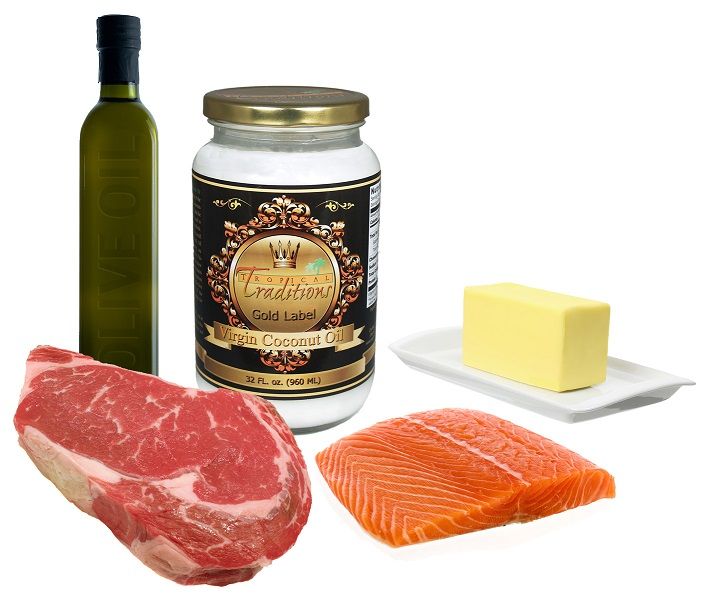
The ketogenic diet was developed at John Hopkins hospital in the 1920s as a natural cure for epilepsy, when drugs failed. It is a high fat diet restricting carbohydrates. The diet fell out of favor during the anti-saturated fat campaign started in the U.S. and codified into official government dietary advice in the 1970s as a result of the McGovern Report. It is still official government dietary policy today, due to the influence of the vegetable oil industry which produces their products from the highly subsidized corn and soy bean crops.

The Ketogenic Diet in some form or another has been labeled by many different names in recent times, and started gaining traction again with Dr. Atkins and the low-carb fad diets that became popular about 8 to 10 years ago. Today's latest fad diet, the "paelo diet" is another example of a diet based on the ketogenic principles.

This diet is not new, however, as it was seen as a therapeutic diet that produced better results than drugs in treating epilepsy way back in the 1920s. Today, the diet is being studied in the medical community with applications to all kinds of diseases. Of course, most of the medical interest in the diet is to try and develop a line of "ketone" drugs to mimic the diet. Ketones, which our body can produce during fasting or "starvation," is an alternative energy source for those who are insulin resistant. Insulin resistance is increasingly being seen as a major cause of many diseases.

When the Atkins diet gained media popularity several years ago, many critics complained that there were no long-term studies done on the diet. However, there are plenty of studies on the Ketogenic Diet and there has never been any negative effects recorded from long-term use. One study is here. Epidemiological studies on populations that eat high saturated fat diets also abound. So with no side effects from a natural diet, it is highly unlikely that any pharmaceutical products will see the same success the Ketogenic Diet is seeing today.

The research that is starting to be published on the effectiveness of the Ketogenic Diet in curing disease is nothing less than amazing. This study below is a survey of the diet's use in a variety of neurological diseases.

Beaker

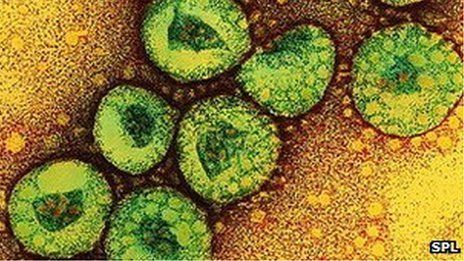
Commercial labs patent Novel Coronavirus delaying diagnostic tests

coronavirus
© SPL
It is being reported that commercial labs are applying for patents on the Novel Coronavirus that is currently killing 50% of the people who contract it.

The World Health Organisation (WHO) has urged countries with possible cases of novel coronavirus to share information.

The move comes after Saudi Arabia said the development of diagnostic tests had been delayed by patent rights on the NCoV virus by commercial laboratories.

Twenty-two deaths and 44 cases have been reported worldwide since 2012, the WHO says.

NCoV is from the same family of viruses as the one that caused Severe Acute Respiratory Syndrome (Sars).

An outbreak of Sars in 2003 killed about 770 people. However, NCoV and Sars are distinct from each other, the WHO says.

The virus first emerged in Saudi Arabia, which is where most cases have since arisen.

Arrow Down

More MERS-CoV (coronavirus) deaths reported as clusters are profiled

Another Saudi Arabian has been infected with the Middle East respiratory syndrome coronavirus (MERS-CoV), while six others whose illnesses were previously announced have died, Saudi Arabian authorities and the World Health Organization announced today.

The latest reports raise the unofficial MERS-CoV tally to 50 cases with 30 deaths, for a case-fatality rate of 60%.

Also today, two medical journals published reports on MERS-CoV case clusters in France and Saudi Arabia, which reinforced the view that the virus does not spread very easily from person to person and suggested that its incubation period is as long as 12 days.

In a brief statement, the Saudi Arabian Ministry of Health (MOH) said the latest case is in a "new Saudi citizen," age 61, who has chronic diseases that include kidney failure. The statement said he lives in the Al-Ahsa region but did not say whether his case is related to the hospital-centered case cluster that began there in April.

The MOH also announced the deaths of three patients, aged 60, 58, and 24, whose cases were reported previously and who were hospitalized about a month ago. It said they all had chronic kidney failure and other diseases, but gave no other details.

Megaphone

U.S. says deadly MERS (coronavirus) could affect national security

Mecca pilgrimage
© Associated Press/Hassan AmmarMore than two million Muslims descend on Mecca for the annual Hajj each year. Saudi authorities are advising pilgrims to wear face masks in overcrowded places
As Saudi and U.N. health authorities report new infections from a troubling new respiratory disease, there are concerns that the approaching Hajj - the annual Muslim pilgrimage to Mecca - could increase the risk of spreading the virus as pilgrims return to their home countries.

Meanwhile the U.S. government, in a notice published in the Federal Register Wednesday, declared that the Middle East respiratory syndrome coronavirus (MERS-CoV, or simply MERS) could potentially "affect national security or the health and security of United States citizens living abroad."

Saudi Arabia is currently the undisputed center of the scare.

According to the Centers for Disease Control and Prevention (CDC) the majority of the 55 confirmed MERS cases - 40 infections, 24 deaths - have occurred in the kingdom, while two deaths each have been reported in Britain and Jordan and one death each in France and the United Arab Emirates. (The fatalities in Europe were linked to visits to the Middle East.)

Infections also have been reported in Qatar, Tunisia and Italy.

Ambulance

Coronavirus thread to the entire world, sez WHO - Current Case Fatality Rate: 49%

New SARS-like virus is spreading

Of the 49 known infections with the MERS-CoV virus, 27 have resulted in death, the organization said.

The latest deaths were reported in Saudi Arabia.

The Saudi health ministry said Wednesday that three people died from their infections in the country's eastern region.

WHO tracks new coronavirus to Middle East The virus is "a threat to the entire world," the WHO's general director said Monday.

Arrow Down

Soy sauce overdose sends man into coma

Soy Sauce
© Thinkstock
A young man who drank a quart of soy sauce went into a coma and nearly died from an excess of salt in his body, according to a recent case report.

The 19-year-old, who drank the soy sauce after being dared by friends, is the first person known to have deliberately overdosed on such a high amount of salt and survived with no lasting neurological problems, according to the doctors in Virginia who reported his case. The case report was published online June 4 in the Journal of Emergency Medicine.

Too much salt in the blood, a condition called hypernatremia, is usually seen in people with psychiatric conditions who develop a strong appetite for the condiment, said Dr. David J. Carlberg, who treated the young man and works as an emergency medicine physician at MedStar Georgetown University Hospital in Washington, D.C.

Hypernatremia is dangerous because it causes the brain to lose water. When there is too much salt in the bloodstream, water moves out of the body tissues and into the blood by the process of osmosis, to try to equalize the salt concentration between the two. As water the leaves the brain, the organ can shrink and bleed, Carlberg said.

After the man drank the soy sauce, he began twitching and having seizures, and the friends took him to an emergency room. That hospital administered anti-seizure medication, and he was already in a coma when he was taken to the hospital where Carlberg was working, the University of Virginia Medical Center, nearly four hours after the event.