Find us on:

Health & Wellness


Cow

USDA starts new livestock ID program

© Associated Press Photo/Laurie Lawrence
The federal government has launched a new livestock identification program to help agriculture officials to quickly track livestock in cases of disease.

It is the U.S. Department of Agriculture's second attempt at implementing such a system, which officials say is critical to maintaining the security of the nation's food supply. An earlier, voluntary program failed because of widespread opposition among farmers and ranchers who described it as a costly hassle that didn't help control disease.

There has been talk for years among consumer advocates about establishing a program that would trace food from farm to plate. The livestock identification system doesn't go that far and isn't meant to. Its main goal is to track animals' movements so agriculture and health officials can quickly establish quarantines and take other steps to prevent the spread of disease.
Health

Update: 16 dead from total of 77 cases of H7N9 'bird flu' in China


China steps up monitoring as new bird flu cases confirmed
The number of confirmed H7N9 bird flu cases in the country increased last night after Shanghai reported another six illnesses, five of them "diagnosed retrospectively," the state-run Shanghai Daily said today.

Two fatalities among the group have raised the total number of H7N9 deaths in the country to 16. Yesterday's increase in reported cases by 14 was the biggest single-day increase in the spread of the disease so far. The total number of illnesses to date is 77, including the deaths.

Besides Shanghai, the latest reported cases of the new virus were in eastern China provinces where the disease has been concentrated all along. Three cases were reported in Jiangsu and five in Zhejiang.
People 2

Men and women get sick in different ways

© Think Stock
Recent research in laboratory medicine has revealed crucial differences between men and women with regard to cardiovascular illness, cancer, liver disease, osteoporosis, and in the area of pharmacology.

At the dawn of third millennium medical researchers still know very little about gender-specific differences in illness, particularly when it comes to disease symptoms, influencing social and psychological factors, and the ramifications of these differences for treatment and prevention. Medical research conducted over the past 40 years has focused almost exclusively on male patients.

A new article titled "Gender medicine: a task for the third millennium" presents research on gender-related differences conducted by Giovannella Baggio of Padua University Hospital and her team.

The article, which appears in the Journal Clinical Chemistry and Laboratory Medicine (CCLM), highlights evidence for considerable differences between the sexes in five domains - cardiovascular disease, cancer, liver diseases, osteoporosis, and pharmacology.

Typically perceived as a male illness, cardiovascular disease often displays markedly different symptoms among women. While a constricted chest and pain that radiates through the left arm are standard signs of heart attack in men, in women the usual symptoms are nausea and lower abdominal pain. Although heart attacks in women are more severe and complicated, when complaining of these non-specific symptoms women often do not receive the necessary examination procedures, such as an ECG , enzyme diagnostic tests or coronary angiography.
Mr. Potato

Hoarding, skin picking and temper tantrums now classified as mental disorders in controversial revision of 'psychiatric bible', DSM-5

People who hoard, pick their skin, binge eat or throw temper tantrums will soon be classed as having a serious mental illness.

The fifth edition of the Diagnostic and Statistical Manual of Mental Disorders (DSM-5), to be released on May 22, includes an extended list of psychological behaviors.

But the decision to categorize seemingly benign habits as full-fledged disorders has divided opinion, and many believe it just extends the 'reach of psychiatry further into daily life.'

Temper tantrum
© Unknown
Behavioral patterns: Temper tantrums should be classed as a mental illness, according to the fifth edition of the Diagnostic and Statistical Manual of Mental Disorders
Nuke

Study reveals GMO corn to be highly toxic

© AFP Photo / Paul J. Richards
A leaked study examining genetically-modified corn reveals that the lab-made alternative to organic crops contains a startling level of toxic chemicals.

An anti-GMO website has posted the results of an education-based consulting company's comparison of corn types, and the results reveal that genetically modified foods may be more hazardous than once thought.

The study, the 2012 Corn Comparison Report by Profit Pro, was published recently on the website for Moms Across America March to Label GMOs, a group that says they wish to "raise awareness and support Moms with solutions to eat GMO Free as we demand GMO labeling locally and nationally simultaneously." They are plotting nationwide protests scheduled for later this year.

The report, writes the website's Zen Honeycutt, was provided by a representative for De Dell Seed Company, an Ontario-based farm that's touted as being Canadian only non-GMO corn seed company.

"The claims that 'There is no difference between GMO corn and NON Gmo corn' are false," says Honeycutt, who adds she was "floored" after reading the study.
Sherlock

Should women with gluten sensitivity breast feed?


Gluten and Breastfeeding

The questions about breast feeding come up often in regards to gluten intolerance, sensitivity, and celiac disease. I have had patients tell me that their pediatrician would prefer they not breastfeed because of gluten issues in the baby. I have also had patients be told that their baby is allergic to breast milk and that formula is a better option. This is terrible advice, but unfortunately is is common advice.

Breast Milk is the Ultimate Human Nutrition

Breast feeding is the best source of nutrient dense food in babies regardless of disease status of the mother or the baby. The only exception to this rule is when the mother is taking medications that might harm the baby, or if the mother is eating a diet high in foods that the baby is allergic to. The diagram below illustrates some of the benefits of natural feeding VS. artificial formula use:

Key

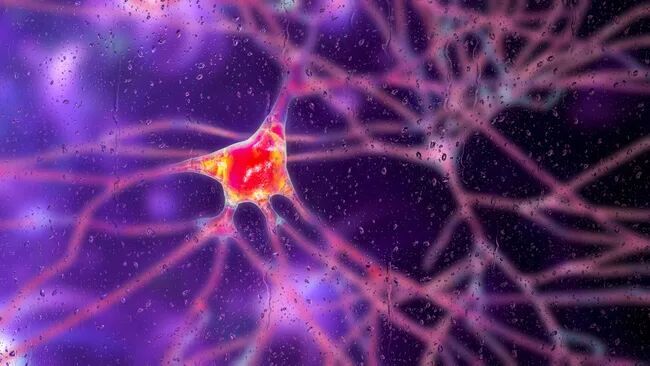
Brain development is guided by junk DNA that isn't really junk

Specific DNA once dismissed as junk plays an important role in brain development and might be involved in several devastating neurological diseases, UC San Francisco scientists have found.


Brain development is guided by junk DNA that isn’t really junk
Their discovery in mice is likely to further fuel a recent scramble by researchers to identify roles for long-neglected bits of DNA within the genomes of mice and humans alike.

While researchers have been busy exploring the roles of proteins encoded by the genes identified in various genome projects, most DNA is not in genes. This so-called junk DNA has largely been pushed aside and neglected in the wake of genomic gene discoveries, the UCSF scientists said.

In their own research, the UCSF team studies molecules called long noncoding RNA (lncRNA, often pronounced as "link" RNA), which are made from DNA templates in the same way as RNA from genes.

"The function of these mysterious RNA molecules in the brain is only beginning to be discovered," said Daniel Lim, MD, PhD, assistant professor of neurological surgery, a member of the Eli and Edythe Broad Center of Regeneration Medicine and Stem Cell Research at UCSF, and the senior author of the study, published online April 11 in the journal Cell Stem Cell.

Alexander Ramos, a student enrolled in the MD/PhD program at UCSF and first author of the study, conducted extensive computational analysis to establish guilt by association, linking lncRNAs within cells to the activation of genes.

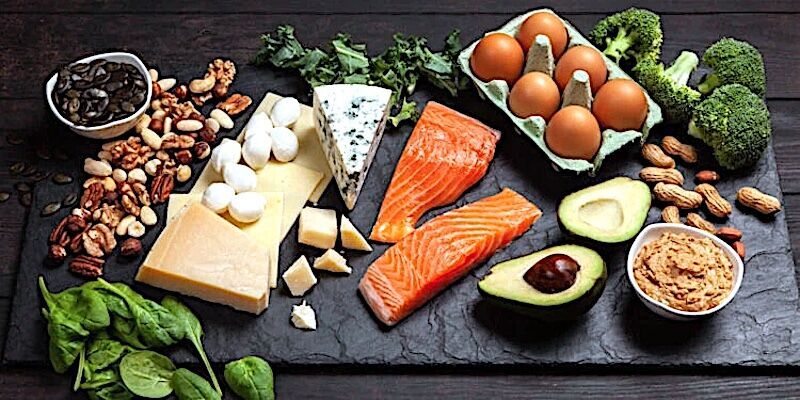
Comment: For more information about the implications of this topic see On viral 'junk' DNA, a DNA-enhancing Ketogenic diet, and cometary kicks.

Wine n Glass

Dopamine receptors triggered by tiny taste of beer even without effect of alcohol

The taste of beer, even without any effect from alcohol, triggers a key reward chemical in the brain, according to a study on Monday that explores how people become hooked on booze.

Neurologists at the University of Indiana asked 49 men to drink either their favourite beer or Gatorade, a non-alcoholic sports drink, while their brains were scanned by positron emission tomography (PET).

The goal was to look at dopamine, a chemical in a part of the brain called the ventral striatum that gives the sensation of reward.

The beer was rationed out in tiny amounts - just 15 millilitres, or about one tablespoon, every 15 minutes - so that the brain could be scanned without the influence of alcohol.

Just a taste of the beer lit up dopamine receptors, and the effect was far greater than for Gatorade, even though many volunteers said they prefered the taste of the soda, the investigators found.

The dopamine effect was significantly greater among volunteers with a family history of alcoholism, they reported.

Comment: Dopamine strongly enhances expectations of pleasure in humans and causes higher risk-taking behaviours that can last for 24 hours.
Human Expectation of Pleasure Enhanced by Dopamine
Why We Take Risks - It's the Dopamine

Dollar

FDA secretly retests 100 drugs after testing company admits work was all fraudulent

Doctor at computer console
© Shutterstock
On the morning of May 3, 2010, three agents of the Food and Drug Administration descended upon the Houston office of Cetero Research, a firm that conducted research for drug companies worldwide.

Lead agent Patrick Stone, now retired from the FDA, had visited the Houston lab many times over the previous decade for routine inspections. This time was different. His team was there to investigate a former employee's allegation that the company had tampered with records and manipulated test data.

When Stone explained the gravity of the inquiry to Chinna Pamidi, the testing facility's president, the Cetero executive made a brief phone call. Moments later, employees rolled in eight flatbed carts, each double-stacked with file boxes. The documents represented five years of data from some 1,400 drug trials.

Pamidi bluntly acknowledged that much of the lab's work was fraudulent, Stone said. "You got us," Stone recalled him saying.

Based partly on records in the file boxes, the FDA eventually concluded that the lab's violations were so "egregious" and of such a "pervasive nature" that studies conducted there between April 2005 and August 2009 might be worthless.
Ambulance

Doctor sued for botched surgeries and leaving instruments and sponges in patients

A lawsuit brought against Denver surgeon Dr. Warren Kortz alleges he botched surgeries and left surgical instruments and sponges inside patients.

Kortz, a surgeon at Porter Adventist Hospital, was placed on precautionary suspension after 11 kidney surgeries he performed, some of which with a robotic surgical arm, resulted in complications.

The Colorado Medical Board filed 14 counts of unprofessional conduct against Kortz after patients suffered nerve damage and internal bleeding. One elderly patient suffered a torn aorta and was later taken off life support, CBS News reported.

The hospital began using a da Vinci Robot for surgeries in 2008. According to the suit, Kortz "told patients the safest, best option for the was the robot" and that he "never offered standard surgical procedure as an option for his patients." The Colorado Medical Board accused Kortz of "misrepresenting patients."