The flamingo was on its annual migration, but lost the rest of its flock.
Experts believe it took a wring turn after flying from Kazakhstan to the Arabian peninsula, a distance of some 3,400 kilometres.
Instead the young bird got so cold it 'froze in the air' and crash landed on a road in the Novokuznetsky district of Kemerovo, some 1,300 km in the wrong direction.
Locals picked up the forlorn bird and warmed it in the car before giving it a temporary home beside a bathroom radiator.
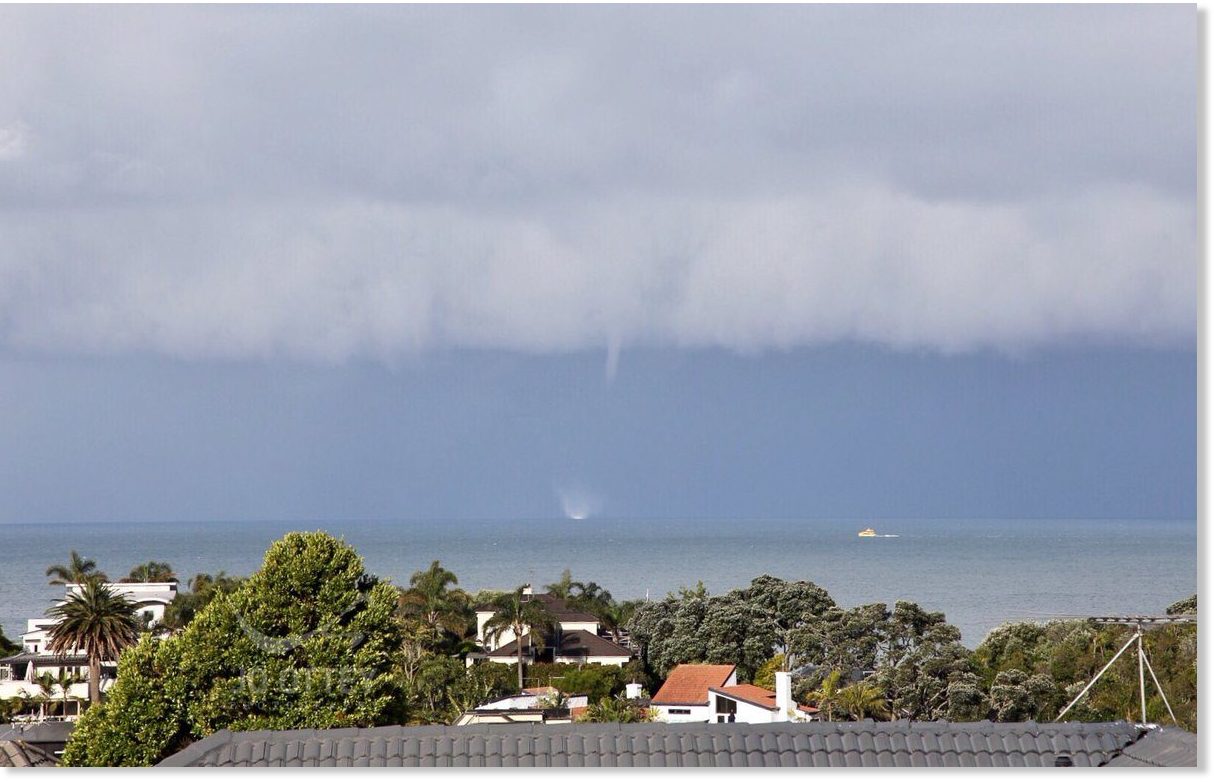
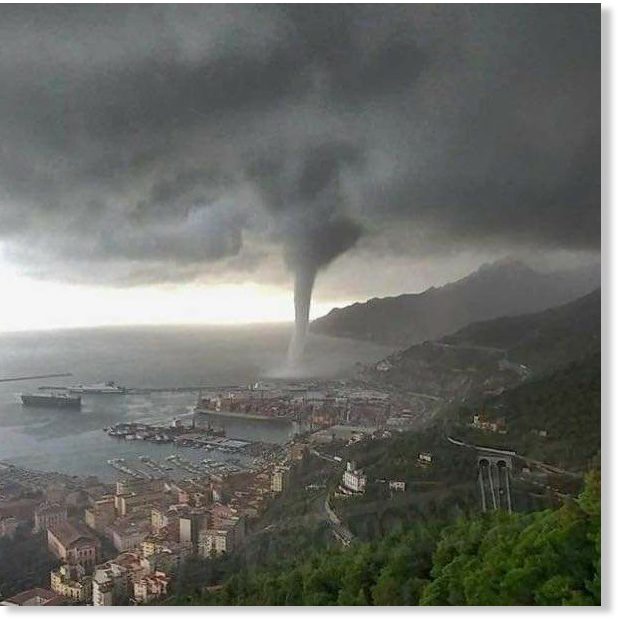
Atmospheric compression events occurring in all corners of the Earth. One of the end results is that deserts across the planet are blooming, no where more so than the Middle East and North Africa, fields of green carpet the landscape as far as the eye can see in drone shots, carpets of flowers are an endless tapestry of color and some of these flood events turn deserts into inland seas. Australia record cold and two months of rain in two hours, record cold USA, and the ferocity of colliding jet stream fronts is now visible in temperature anomaly maps.
Record breaking snowfall, record setting low temperatures, -50 wind chills, impossible driving conditions amid freezing rain and ice. Sounds like the heart of the winter season doesn't it?
In reality, ALL of these harsh winter conditions have plagued different parts of the country this fall, leaving little to no areas untouched.
Will this be a sign of what's to come this winter or will Mother Nature start to loosen its frosty grip? More on what's happened (keep in mind we had to limit this to just a few main events because the wintry scenes have been endless) and what lies ahead this winter, below.
Continuous snow has swept Qinghai Province in northwest China since the start of November, accumulating record high precipitation in the region's 57 years of history of meteorological records.
Snow accumulation between Nov. 2 and 7 has reached 18 cm on the ground in Dulan County, Haixi Mongolian Tibet Autonomous Prefecture, where the height above mean sea level averages 3,180 meters.
The Qinghai-Tibet Plateau, known as the "roof of the world," is an important region to monitor climate changes with the weather and the glaciers as indicators.
A few weather systems with Michigan on the cold side of the storms and some lake effect snow have made most of Michigan have above normal snowfall so far in the early part of this cold season.
The eastern Upper Peninsula has the most deviation from normal snowfall amounts. Sault Ste. Marie has already shoveled 26.7 inches of snow. This is 17.7 inches more than normal to this date.
Marquette is on the fast track to 100 inches of snow, with 34 inches of snow already falling in this early part of the cold season. Marquette is 15 inches above snowfall normal today.
Here's a rundown of how much snow has fallen as of November 19, 2018 and the departure from normal.
After the sweltering summer, the autumn of 2018 is set to enter the history books as the sunniest in the history of the Netherlands. Several places set new records for autumn sunshine on Sunday with 12 days of the season to go, NOS reported.
Meteorologists define autumn as the period between October 1 and November 30. Southern Limburg has been the brightest place this autumn so far, with 465.4 hours up to now, though this is not a local record. Almost all central and western areas have set new records already this autumn, including the central weather station at De Bilt, which clocked up 2000 hours of sunlight for the year to date.
Comment: Interestingly, this past winter saw the darkest months on record for some parts of Europe:
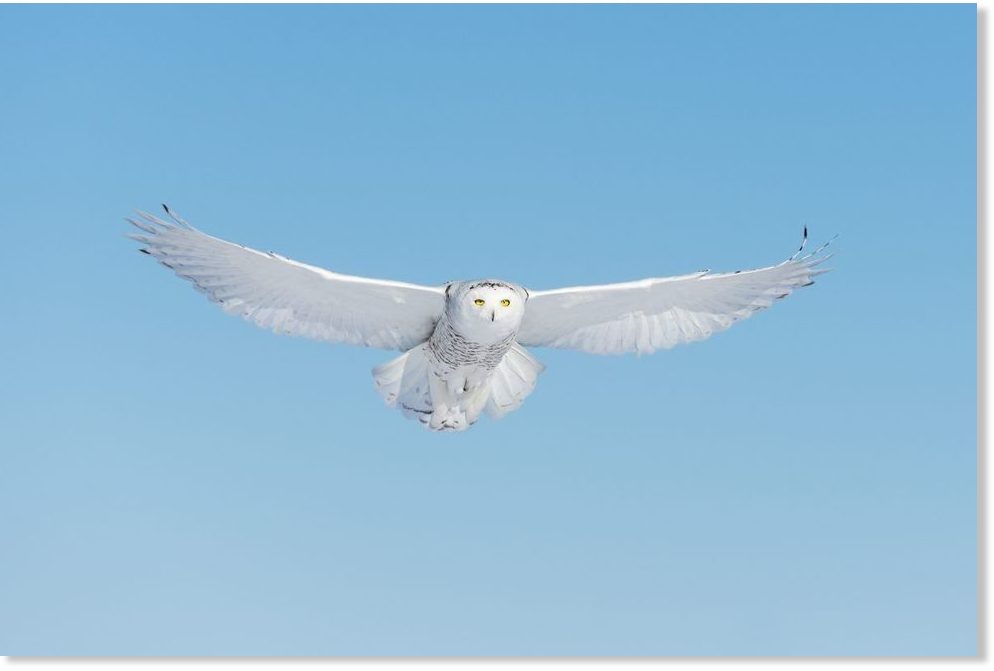
After multiple sightings last winter, including some in Hancock County, snowy owls are again being seen in Indiana, according to the Indiana Audubon Society.
The all-white arctic owl only visits Indiana during cyclical "irruptions" occurring every four to five years, but often the year following an invasion, such as occurred last winter, can produce an "echo effect," bringing another smaller invasion of owls southward, the organization says in a news release.
Comment: This standard explanation of cyclical irruptions has broken down for the last 7 winters, when exceptional numbers appeared every year. See the links below covering the time period which amply demonstrate this point. Some other environmental and/or climate factors seem to be involved.
Snowy owl numbers fluctuate year to year based on their primary prey — lemmings, giant mouse-like rodents — whose population also oscillates based on food supplies and weather conditions in the arctic. When populations spike, the owls respond with higher than normal breeding, with some nests containing ten or more eggs. The subsequent invasions later that fall result in not so much a food scarcity, but because of the abundance of food earlier that summer. Young owls tend to leave the arctic each winter, resulting in the larger-than-normal invasions.
Comment: A sample of the many reports for the last 7 seasons:
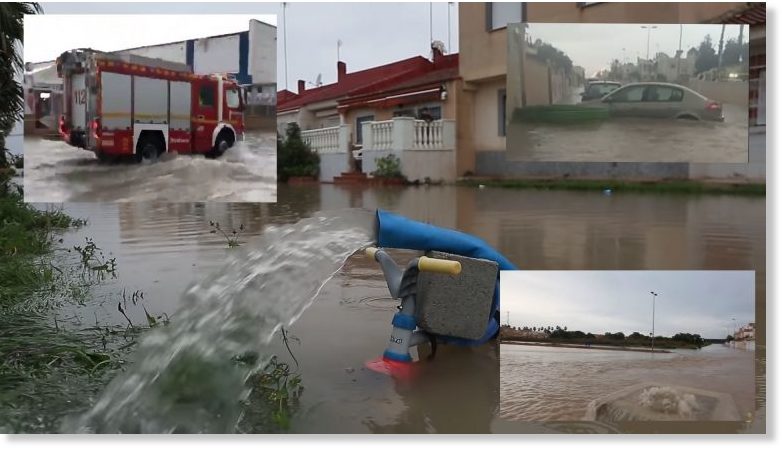
THE RED alert, advised by the Spanish met office AEMET, for torrential rainfall on the Costa Blanca has ended and has been replaced by a less severe orange level threat as the worst of today's weather subsides.
This morning, the province of Valencia and much of the province of Alicante were placed on a red, severe threat to life, level of advisory ahead of treacherous weather conditions arriving to Spain's east coast.
This red level warning was deescalated after 3pm on Monday afternoon, with an orange, medium risk to life, advisory enforced in its place.
Comment: See also these similar reports since 2011: Lost flamingo that was heading for Saudi Arabia turns up in Siberia instead
Flamingos migrating to Caspian Sea in mortal danger - lost in Siberia
Four lost flamingos fly north for the winter and turn up in Siberia
Flamingos Drop From Siberian Sky: Locals Mystified