April 2026 closed with the Sun once again reminding us
who runs the show. On the 23rd and 24th, Active Region 4419 fired off
two back-to-back X-class flares, an X2.4 followed hours later by an X2.5, flanked by a string of
M-class events and several coronal mass ejections. Earth's sunlit side took the hit in the form of
shortwave radio blackouts, and forecasters watched for at least minor G1 geomagnetic storming in the days that followed. The monthly sunspot mean came in around 79,
modest for Cycle 25 on paper, yet these late, high-energy outbursts make the same point we've been making for years:
the cycle's "decline" looks nothing like the textbook curve, and the Sun continues to drive what we see on the ground. Given recent patterns, we should expect more of the same through the coming months.
That solar context is also why it's worth highlighting the ongoing Super Niño, which mainstream climatology continues to file under "symptom of warming" while missing the deeper signal. Historically,
the strongest El Niño events have not been heralds of a runaway greenhouse; they have clustered near major climatic inflection points, preceding sharp cooling phases.


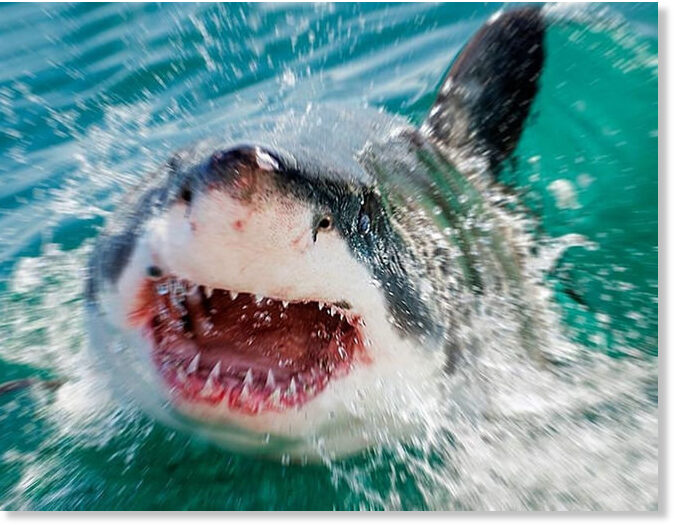





Comment: See also: Unprovoked shark attacks up sharply in 2025, with 12 human deaths worldwide