Science of the SpiritS


People 2

'Better-than-average effect': The startling discovery that changed psychology

car crash into home
© AP/REX/ShutterstockIn 1969, a car came off the road and landed in the front room of Mr and Mrs Striffolina’s New York home
IN 1965, a pair of psychologists from the University of Washington handed a questionnaire to 50 carefully selected motorists in the Seattle area. It focused on driving skills, but Caroline Preston and Stanley Harris weren't trying to find out how good the drivers were. They already had a pretty clear handle on that. They wanted to know how good the drivers thought they were.

The questionnaire was straightforward. It asked the drivers to rate their abilities from 0 to 9, with 0 being "very poor" and 9 being "expert". Preston and Harris probably expected the drivers to rank themselves nearer to zero than to 9. To their surprise, they found the exact opposite.

Given who these drivers were, that was very, very odd.

Back in the 1960s, traffic fatalities were a growing problem in the US. Around 36,000 people died in 1960, 39,000 in 1962 and 46,000 in 1964. Road crashes were the leading cause of death in children and young adults - and were costing a fortune.

A good deal of research into their causes was being done, mainly on vehicle design and traffic engineering. But a few researchers were becoming interested in the psychology and behaviour of drivers. That is what attracted Preston to the problem. She may have been seeking to discover some psychological trait that could be used to reduce the accident rate, but instead she inadvertently began a revolution in our understanding of the human mind that continues to unfold more than half a century later.

Comment: Doesn't seem like a sign of 'good mental health' to hold such a high opinion of oneself. Sounds rather more like plain old narcissism. Being that out of touch with reality really just sounds like a recipe for disaster later down the road.


Hearts

The Biophilia effect for kids: How to bring nature into playtime

kids
The childhood capacity to play creatively helps kids learn how to solve problems more effectively. Children develop their motor and mechanical skills, as well as planning skills and teamwork. The fact that many of our children now spend little time playing outdoors, growing up instead with commercial toys, video game consoles, computer games, and television prevents them from learning practical things in such a simple and joyful way as playing creatively in nature. Spending more time in nature or in a garden can bring this aspect back into the development of our children.

Spending time in nature can also significantly help children with attention deficit hyperactivity disorder (ADHD). Richard Louv, a contributor to the New York Times and the Washington Post, speaks of the "Ritalin of nature" and advocates that children be treated with time in nature instead of with medication. But even for children without ADHD, the effects of being in nature boost attention and concentration.

Comment: More reasons to leave no child inside:


2 + 2 = 4

The sound of psychosis

Can we treat psychosis by listening to the voices in our heads?
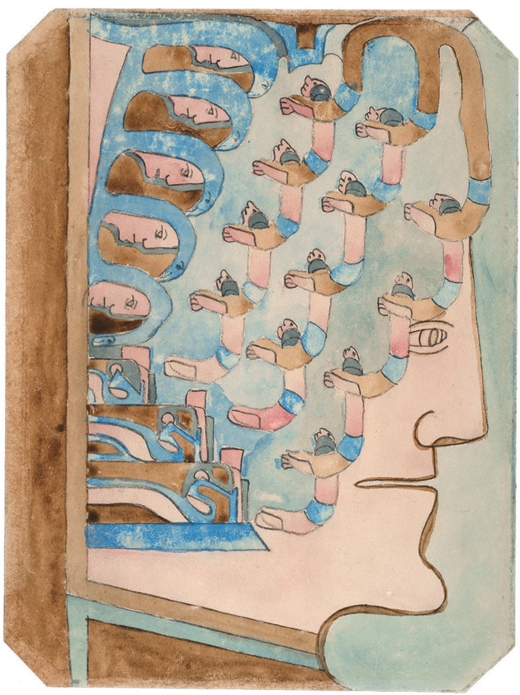
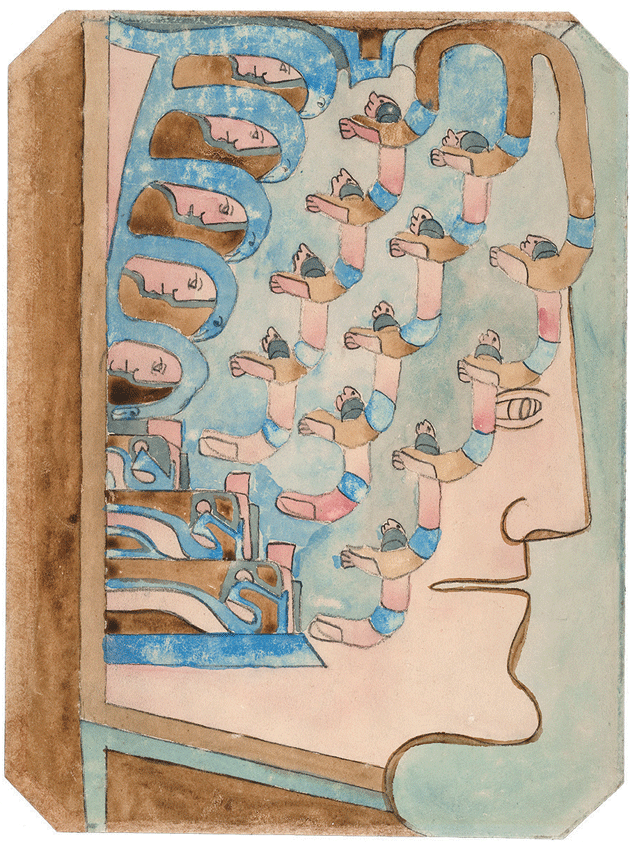
Wormholes, 1919, by August Klett
© Prinzhorn Collection, University Hospital Heidelberg, Inv. No. 568Wormholes, 1919, by August Klett, who was a patient at the psychiatric clinic at the University of Heidelberg, in Germany. Under the alias August Klotz, he was one of the ten “schizophrenic masters” whose work was collected in the book Artistry of the Mentally Ill (1922). The book was compiled by Hans Prinzhorn, a psychiatrist and art historian, who recorded Klett as hearing voices that were obscene, accusatory, and threatening.
Sarah was four years old when her spirit guide first appeared. One day, she woke up from a nap and saw him there beside her bed. He was short, with longish curly hair, like a cherub made of light. She couldn't see his feet. They played a board game-she remembers pushing the pieces around-and then he melted away.

After that, he came and went like any child's imaginary friend. Sarah often sensed his presence when strange things happened-when forces of light and darkness took shape in the air around her or when photographs rippled as though shimmering in the heat. Sometimes Sarah had thoughts in her head that she knew were not her own. She would say things that upset her parents. "Cut it out," her mother would warn. "This is what they put people in psychiatric hospitals for."

Sarah was the youngest of four siblings. Her father was a sales manager for a pharmaceutical company, and he traveled a lot while his wife stayed home with the kids. Sarah's mother was a strict disciplinarian. She was determined to straighten out her children, whom she felt had been spoiled by the housekeeper they'd left behind when they moved to California. Sarah remembers one day, not long after she played the game with her spirit guide, when she and some neighborhood kids tried to set up a barbecue in the back yard. Her babysitter found them in the basement, burning strips of paper in the pilot light of the furnace. When Sarah's mother came home, she held the girl's fingers in the flame of a cigarette lighter as punishment.

As Sarah grew up, she started to dislike the strange experiences she had, and she decided that they could not be real. Then she went to college and became a nurse, and she began to see the souls of dead patients leave their bodies. Sometimes what emerged was a transparent version of the corpse. Other times she saw what the patients must have looked like when they were young. A few would stand next to the bed. More floated up to the ceiling and looked down. They were usually startled to see their own bodies and horrified to witness the pummeling they took from doctors trying to keep them alive.

Comment:


Light Saber

Imposter syndrome: Overcoming the constant self-doubt that undermines real achievement

Imposter syndrome
Accepting oneself, flaws and all, is an important part of having healthy self-esteem and self-worth. Nobody is perfect, and mistakes are an inevitable part of life.
Impostor syndrome causes people to doubt their achievements and fear that others will expose them as fraudulent. The condition can affect anyone, regardless of their job or social status.

Psychologists first described the syndrome in 1978. Research from 2011 suggests that approximately 70 percent of people will experience at least one episode of impostor syndrome in their lives. It may be especially prevalent among women considered to be high-achievers.

Many people experience symptoms for a limited time, such as in the first few weeks of a new job. Others may battle feelings of incompetency for their whole lives.

In this article, we discuss the many techniques a person can use to overcome impostor syndrome.

Comment:


Brain

Early toxic stress changes brain structure in children

stress
© Psychology Today
ADHD research needs to take stress into account.

I beg to differ with Dr. Rettew's conclusion that the new study he cites "proves" that ADHD is real. The study Dr. Rettew cites leaves out a significant factor in children's brain development: namely, the study fails to recognize the degree to which very early exposure to stressful experiences and environments can affect the architecture of the child's developing brain. That is, factors in the young child's environment can change the size of the child's brain.

There are many studies that support the conclusion that experience changes the brain. See, for example, a working paper from Harvard University's Center on the Developing Child "Excessive Stress Disrupts the Architecture of the Developing Brain."

This study points out that "the neural circuits for dealing with stress are particularly malleable (or "plastic") during the fetal and early childhood periods. Early experiences shape how readily these circuits are activated and how well they can be contained and turned off. Toxic stress during this early period can affect developing brain circuits."

Butterfly

Passing thoughts in the age of terror

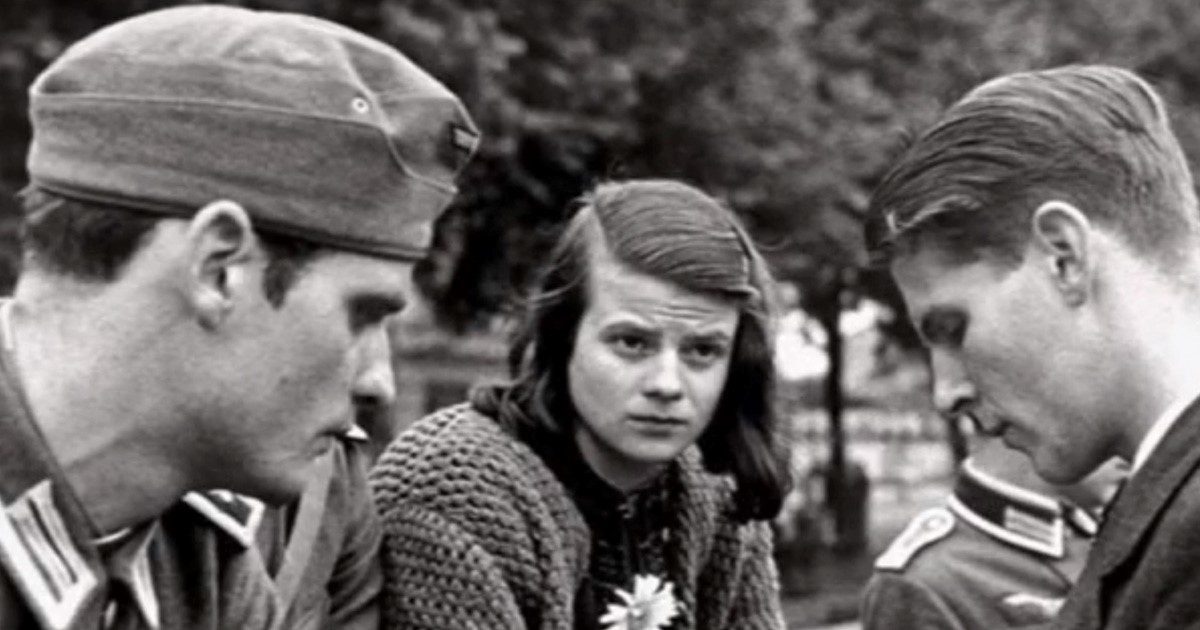
Sphie Scholl
"Those with no sides and no causes. Those who won't take measure of their own strength, for fear of antagonizing their own weakness. Those who don't like to make waves - or enemies. Those for whom freedom, honor, truth, and principles are only literature. Those who live small, mate small, die small. It's the reductionist approach to life: if you keep it small, you'll keep it under control. If you don't make any noise, the bogeyman won't find you. But it's all an illusion, because they die too, those people who roll up their spirits into tiny little balls so as to be safe. Safe? From what? Life is always on the edge of death; narrow streets lead to the same place as wide avenues, and a little candle burns itself out just like a flaming torch does. I choose my own way to burn."

- Sophie Scholl, 21 years old, a member of the German White Rose resistance group, convicted of high treason for handing out anti-war literature at the University of Munich in Nazi Germany. She was executed by guillotine on February 22, 1943.

2 + 2 = 4

Warren Farrell & JB Peterson on the absolute necessity of fathers

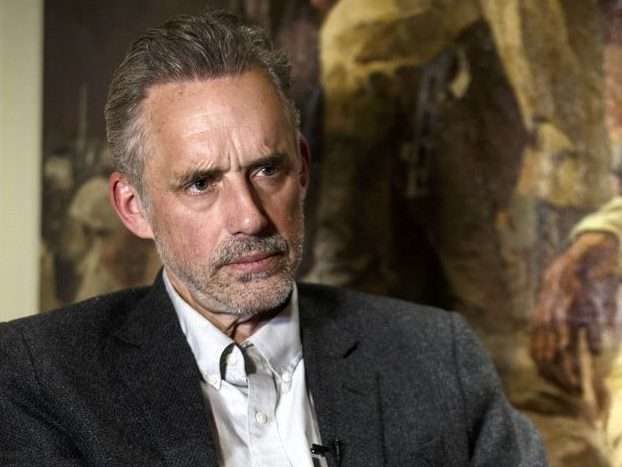
Dr. Jordan Peterson
© Craig Robertson/Toronto Sun
I came across Dr. Warren Farrell's work a few years ago, when I read Why Men Earn More (https://amzn.to/2HX3Epj), a careful study of the many reasons for the existence of the "gender pay gap," attributed by ideologues of the identity-politics persuasion to systemic patriarchal prejudice and oppression. Farrell has recently published another book, The Boy Crisis (https://amzn.to/2wnApuy) with Dr. John Gray. We spent an intense 90 minutes discussing the crucial role played by fathers in child development, paying particular attention to play and delay of gratification.

Comment:


Family

Book review: The Strange Order of Things: Life, Feeling, and the Making of Cultures

human scupture homeostasis
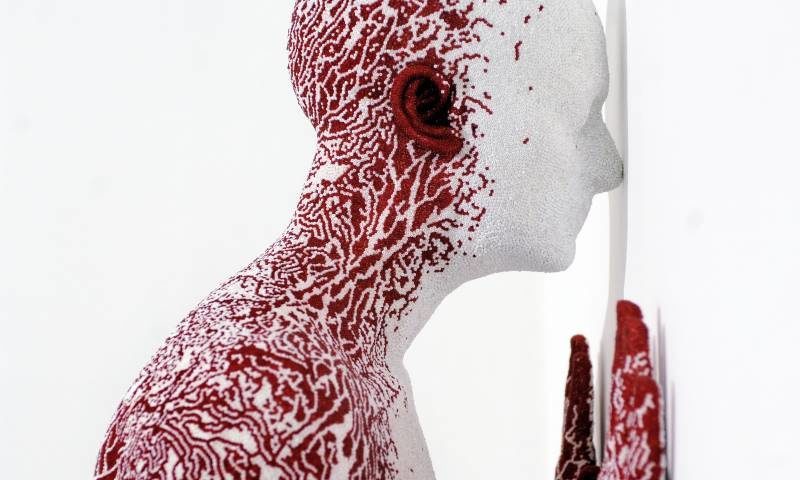
© Linda Nylind for the GuardianHomeostasis, 2005-2006, by Liza Lou. Homeostasis is the key word throughout the book.
What the body feels is every bit as significant as what the mind thinks, a neuroscientist argues. Turn to emotions to explain human consciousness and cultures

Nietzsche would have given four cheers for this intricately argued book, which is at once scientifically rigorous and humanely accommodating, and, so far as this reviewer can judge, revolutionary. Antonio Damasio, a professor of neuroscience, psychology and philosophy, sets out to investigate "why and how we emote, feel, use feelings to construct our selves ... and how brains interact with the body to support such functions". We are not floating seraphim, he reminds us, but bodies that think - and all the better for it.

From Plato onwards, western philosophy has favoured mind over "mere" body, so that by the time we get to Descartes, the human has become hardly more than a brain stuck atop a stick, like a child's hobbyhorse. This is the conception of humanness that Damasio wishes to dismantle. For him, as for Nietzsche, what the body feels is every bit as significant as what the mind thinks, and further, both functions are inextricably intertwined. Indeed, from the very start, among the earliest primitive life forms, affect - "the world of emotions and feelings" - was the force that drove unstoppably towards the flowering of human consciousness and the creation of cultures, Damasio insists.

Comment:


Book 2

Johann Hari on 'deaths of despair' & rebuilding connections

addiction
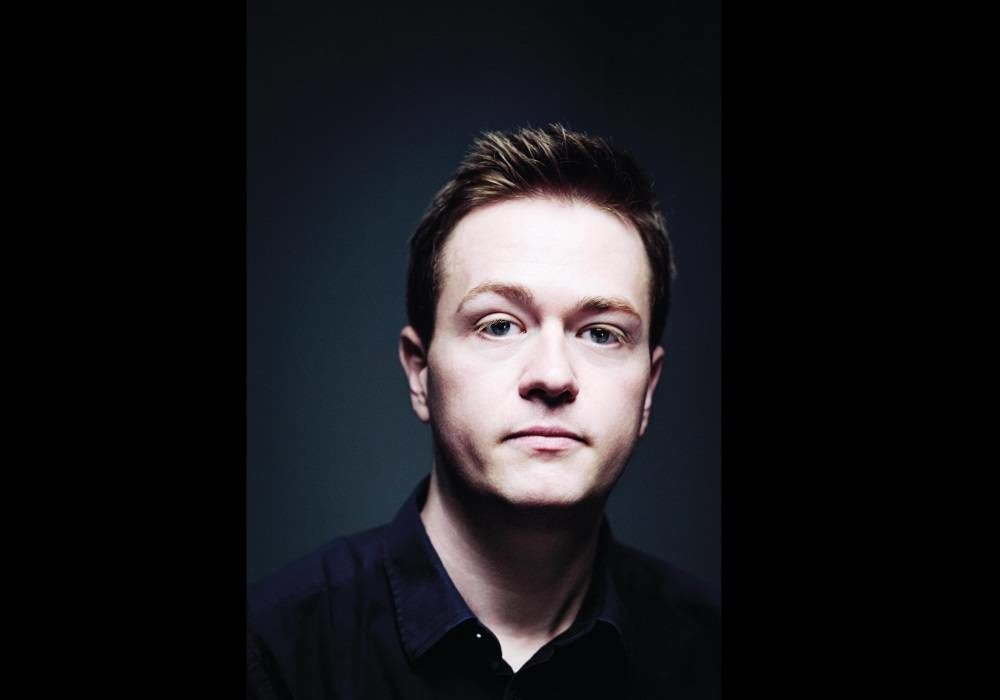
© Simon EmmettA powerful interview with author Johann Hari on his book's themes of addiction, mental illness, and the nation's opioid epidemic.
Our deepest needs as human beings are not being met...and that will produce all sorts of things that appear to be pathologies but are in fact symptoms of a deeper pathology.

In Johann Hari's bestselling book, Chasing the Scream: The First and Last Days of the War on Drugs, the British author explored misconceptions of addiction. It is not the drugs themselves that lead to dependence, he argued. Rather, it is one's environment and the attempt to self-medicate and alleviate pain that are the true causes of addiction.

Three years later, Hari's follow up, Lost Connections: Uncovering the Real Causes of Depression-and the Unexpected Solutions, digs beneath addiction, into mental health. It comes as there's new urgency for a more thoughtful understanding of why increasing numbers of Americans are turning to powerful opioids like OxyContin, heroin, and fentanyl.

"While I researched this book, I spent some time in the Rust Belt," Hari writes in Lost Connections. "A few weeks before the U.S. presidential election in 2016, I went to Cleveland to try to get the vote out to stop Donald Trump from being elected. One afternoon I walked down a street in the southwest of the city where a third of the houses had been demolished by the authorities, a third were abandoned, and a third still had people living in them, cowering, with steel guards on their windows."

Hari continued the anecdote during a recent interview over breakfast on a book-tour stop in Vancouver, Canada.

Arrow Up

Please feel free to disagree: Why society needs more troublemakers

troublemakers
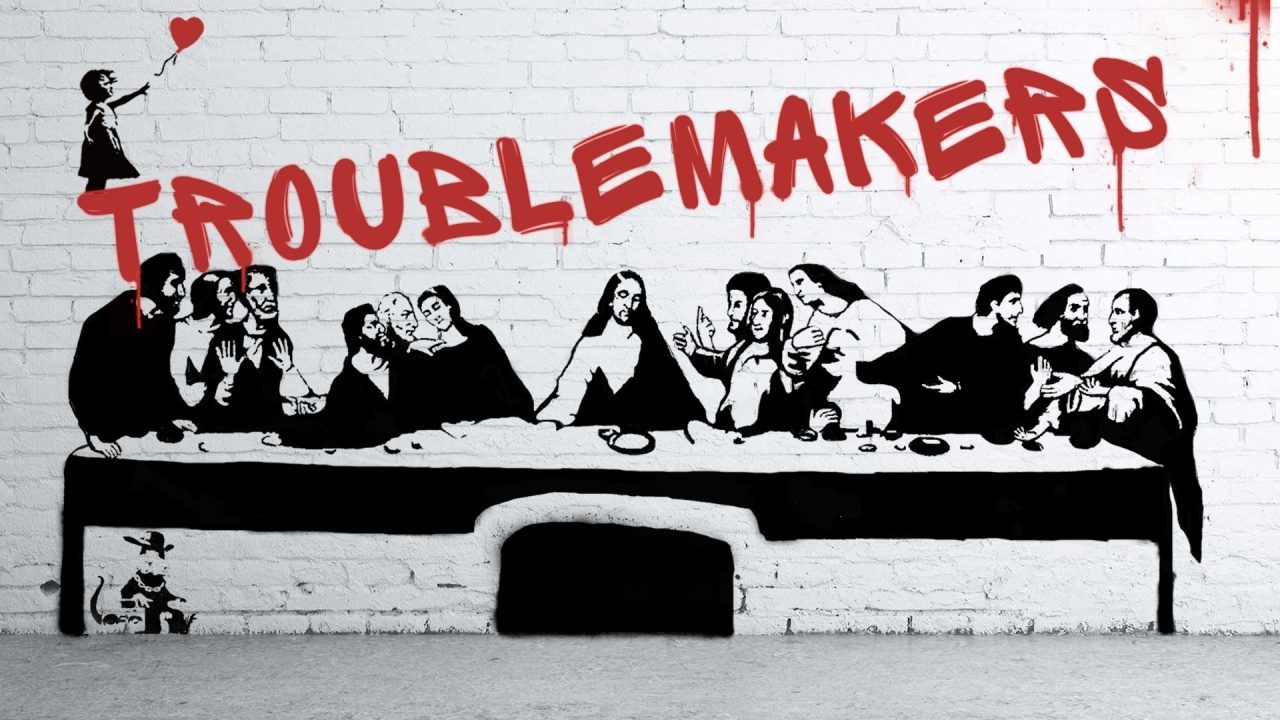
It's sweet to be agreeable-but what a vibrant, healthy society really needs is principled troublemakers.

Those who dare to say "no" when it appears that everyone else is in agreement are rare and brave-and they make the world a better place, according to University of California, Berkeley psychology professor Charlan Nemeth. Her new book, In Defense of Troublemakers: The Power of Dissent in Life and Business, shows how everyone benefits when someone presents a thoughtful contrarian view.

Nemeth's research in social psychology and cognition has shown that disagreement improves group thinking. "It's a benefit regardless of whether or not [dissenters] hold the truth," she argues. "Most people are afraid and they don't speak up. Companies have that problem all the time. And the research really shows us that that even if it's wrong, the fact that the majority or the consensus is challenged actually stimulates thinking."

Comment: 'Make Nice' Program: Is your kindness killing you?