

© ShutterstockAn increasing amount of evidence suggests that consciousness is not a requirement for feeling emotions. This opens up a minefield of questions for how best to treat unconscious people.
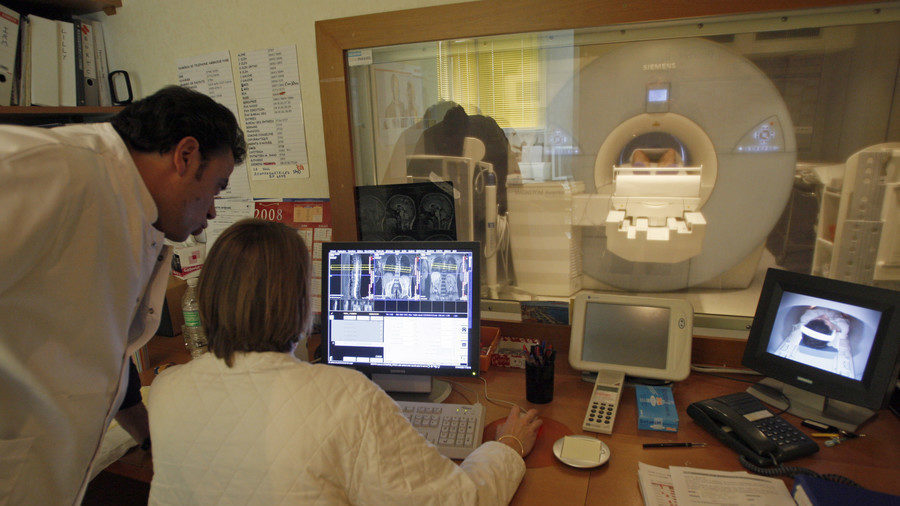
Yet scans show that her brain responds to the sound of someone else's voice.
So is Jane conscious or unconscious?
The answer is that consciousness and the unconscious might be much more similar than we think.
Recent developments in cognitive science provides empirical evidence that the unconscious brain is able to perform almost all the activities that we (wrongly) think are exclusive to conscious beings.
This means that unconscious beings are not only cognitively active, but might also experience emotions-both positive and negative.
The very idea that consciousness is not a requirement for feeling emotions opens up a minefield of questions for how best to treat unconscious people, like Jane, who despite their unconscious state might still feel pleasure and pain.
Clearly, we need to examine the ethical implications of this new picture of human consciousness and what it means for our identity as humans.



















Comment: Sibling rivalry: Study reveals if eldest children are more intelligent - and if it matters