Science & TechnologyS


Gem

Chinese scientists construct rare 'hexagonal diamond' that's harder than natural diamond

hexagonal diamond artificial harder than natural
© FlashMovie via Getty ImagesIllustration of a hexagonal diamond, the super strong mineral that may finally have been proven to exist.
In physics first, Chinese scientists create rare 'hexagonal diamond' that's harder than natural diamond

Researchers in China have made what they claim to be the first samples of pure hexagonal diamond, a theorized rare variant of superstrong diamond found in meteorites from shattered dwarf planets.

Natural diamond, also called cubic diamond, has been considered the hardest natural material on Earth for so long that the Mohs hardness scale, which rates minerals' resistance to scratching, uses diamond as the scale's upper limit. It's called cubic diamond for its neat arrangements of carbon atoms in a cubic structure. In contrast, hexagonal diamond organizes carbon atoms in a lattice made of hexagons, like a honeycomb.

Helm

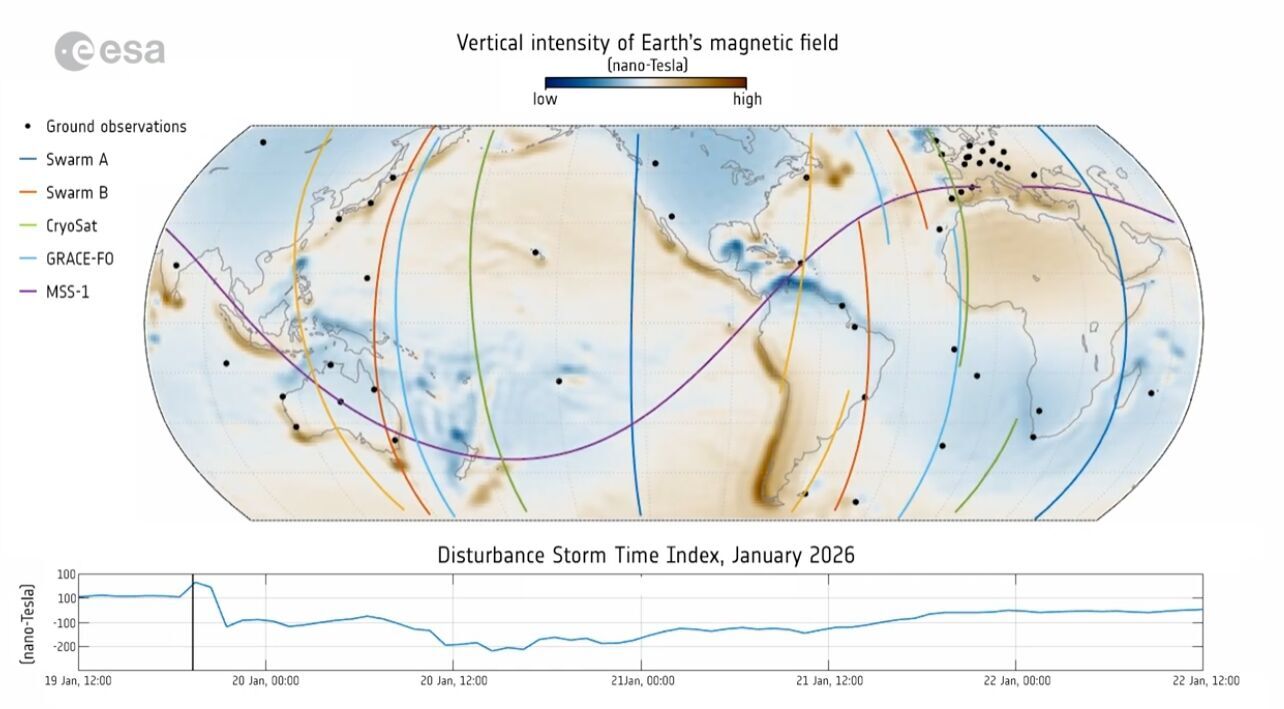
Earth's magnetic field during solar flare, January 2026

Earth's magnetic field
It seems improbable that a satellite designed to monitor polar ice sheets and floating sea ice could accurately measure a disturbance in Earth's magnetic field. But that is just what ESA's CryoSat mission did earlier this year.

This is a story of unique innovation in satellite technology. At the end of last year, the CryoSat mission, which has been operating for almost 16 years, was given a remote upgrade of new software for its platform magnetometer. This instrument is installed on the satellite to ensure it orbits at the right altitude and directs its science instruments towards the right part of Earth's surface. The platform magnetometer is therefore an operational instrument and was not designed to produce scientific data about Earth's magnetic environment.

Comment: Signs of a weaker magnetic field... From the Laboratory of Solar Astronomy (xras.ru ), 22 January 2026:
The storm was a reaction to an X1.9 solar flare, the most powerful category, which occurred on Sunday, 18 January at around 21:00 Moscow Time. The event was registered in active region 4341, which had previously produced two large explosions in the first half of the month while still on the far side of the Sun. By the 18th, due to the Sun's rotation around its axis, it had moved to the side visible from Earth, and at the time of the explosion it was located precisely on the Sun-Earth line. This positioning partially explains the exceptional strength of the subsequent impact on the planet, but not entirely, as a number of facts are extremely difficult to reconcile with basic concepts of solar activity.
The main, difficult-to-explain consequence of the explosion was an exceptionally powerful radiation storm, accompanied by the strongest increase in the number of energetic protons (with energies above 10 MeV) in the vicinity of Earth in the 21st century. Within 24 hours, the density values rose to 37,000 units, which exceeded the "red level" thresholds by a thousand times and the indicators of the strongest flares of the current cycle by 20 times. The seemingly unbreakable records of the beginning of the century, recorded after the largest flares of the current century (about 30,000 units), were surpassed, and only slightly fell short of breaking the absolute record of 43,000 units, recorded back in the 20th century. The causes and consequences of this event (including the amount of radiation received by spacecraft during this period) are still to be investigated. It can only be noted that the increase in protons knocked out the sensors of the ACE spacecraft, which measures the speed of solar plasma in orbit, and for this reason, the speed of the plasma ejection that reached Earth is still unknown.


Warning

'Blackwater' lakes and rivers in the Congo Basin are emitting 'ancient' carbon into the atmosphere

Congo Basin ancient carbon
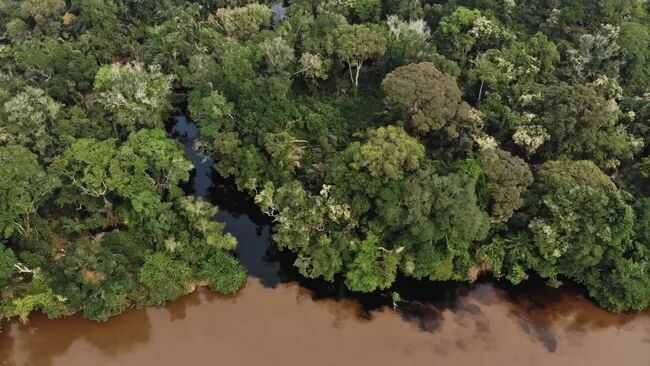
© Matti Barthel / ETH ZurichBlackwater lakes and rivers in the central Congo Basin are releasing carbon that is up to 3,500 years old.
Blackwater lakes and rivers in the Congo Basin are releasing ancient carbon into the atmosphere, a new study shows. Previously, scientists thought this carbon was safely stored in the surrounding peatlands, but the research reveals that's not the case.

The finding contradicts the long-held assumption that old peat carbon remains trapped underground, suggesting that some tropical peatlands could switch from being carbon sinks to major carbon sources.


Comment: That's assumptions for you! If they'd been reading the Signs, they'd have noticed northern and Arctic peatlands 'catching fire', in winter, and made the connection to carbon/methane outgassing.


"We are now faced with a 30-million-tonne question: we need to determine if this is just a small, natural leakage of ancient carbon, or the onset of broadscale destabilization," study lead author Travis Drake, a carbon biogeochemist at the Swiss Federal Institute of Technology Zurich (ETH Zurich), told Live Science in an email.


Comment: Our informed guess is for the "onset of broadscale destabilization". See also:

Swarm reveals growing weak spot in Earth's magnetic field
Published this month in Physics of the Earth and Planetary Interiors, the latest results from the Swarm mission reveal that while the South Atlantic Anomaly expanded steadily between 2014 and 2025, a region of the Atlantic Ocean southwest of Africa has experienced an even faster weakening of Earth's magnetic field since 2020.

"The South Atlantic Anomaly is not just a single block," says lead author Chris Finlay, Professor of Geomagnetism at the Technical University of Denmark. "It's changing differently towards Africa than it is near South America. There's something special happening in this region that is causing the field to weaken in a more intense way."
This behaviour is linked to strange patterns in the magnetic field at the boundary between Earth's liquid outer core and its rocky mantle, known as reverse flux patches.

Prof. Finlay explains, "Normally we'd expect to see magnetic field lines coming out of the core in the southern hemisphere. But beneath the South Atlantic Anomaly we see unexpected areas where the magnetic field, instead of coming out of the core, goes back into the core. Thanks to the Swarm data we can see one of these areas moving westward over Africa, which contributes to the weakening of the South Atlantic Anomaly in this region."

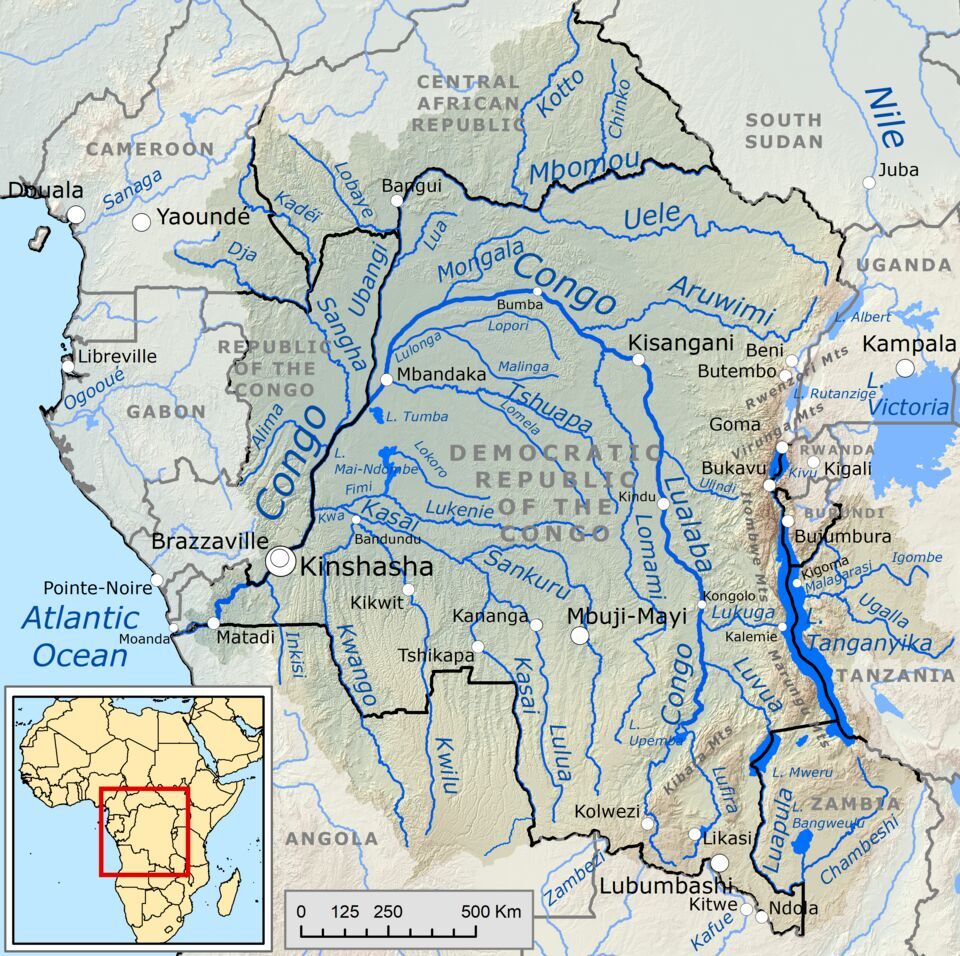
Comment: These researchers might already know the answer, though. They couldn't possibly ignore the fact that the Congo Basin and all the places that they studied lay atop "The Big African Blob":

Congo basin map
© WikiCongo basin map
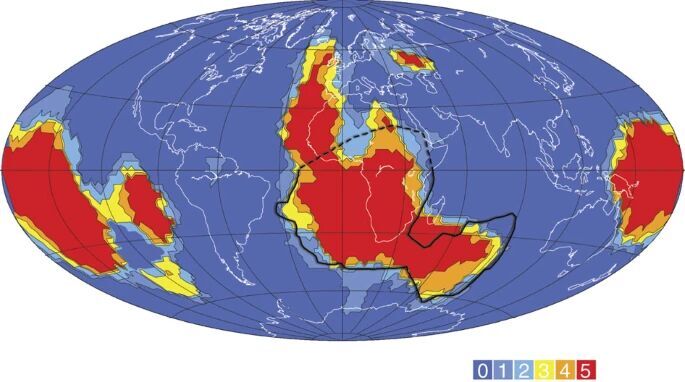
African blob
© Nature(1,000–2,800 km depth) Edge of African Large low-shear-velocity province (LLSVP) at core mantle boundary. The cluster analyses evaluate five global tomographic models with the colour-coded voting map representing the number of models, which assign a lower than average shear wave velocity to the pixel. The average spacing of the pixels is 4°. The voting map highlights the consistency between the global models in defining the African LLSVP, as well as the similar, but more spatially complex, Pacific LLSVP.


Magnify

Ancient parrot DNA reveals sophisticated, long-distance animal trade network that pre-dates the Inca Empire

ancient parrot feathers trade routes amazon peru
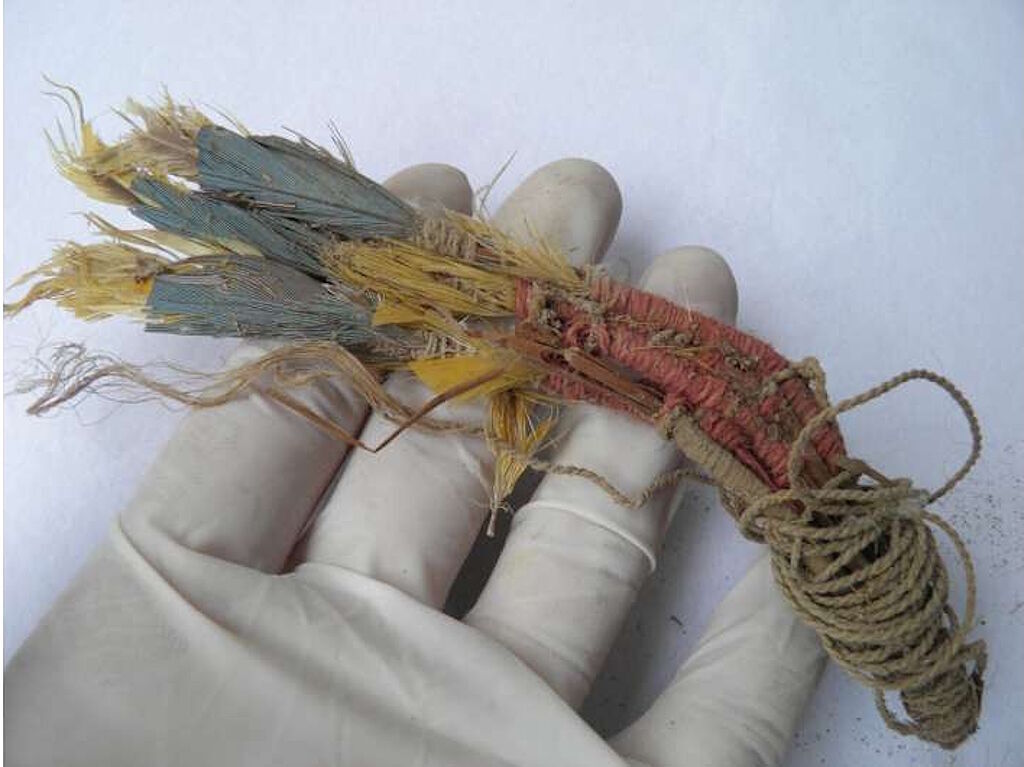
© George OlahAncient feathers found in the Ychsma tomb in Pachacamac, Peru. They are considered evidence of ancient trade routes over the Andes from the Amazon basin
New analysis of ancient parrot DNA has revealed that vibrant Amazonian parrots were transported alive across the Andes to coastal Peru centuries before the Inca Empire, highlighting a sophisticated pre-Inca, long-distance trade network spanning rainforest, highlands and deserts. The international team of researchers, including scientists from The Australian National University (ANU), analyzed parrot feathers that were discovered at Pachacamac, Peru — one of the preeminent religious centers of the Andean civilization — far outside the birds' native rainforest range. The research is published in Nature Communications.

According to lead author Dr. George Olah from ANU, the sequencing of the ancient parrot DNA has uncovered a thriving network of trade and animal transportation that connected Amazonian forests with arid communities across the Andes.

"Through combining ancient DNA sequencing, isotope chemistry and computational landscape modeling, we have been able to trace how and where these birds were moved across the landscape," Dr. Olah said.

Stormtrooper

Humanoid Soldiers Tested In Ukraine; Founder Eyes Contract To Patrol US Border

Robotic soldier
© TIMELeblanc prepares to hand a shotgun to a Phantom
Corporate media is finally catching up to our humanoid robot theme, with these bots moving beyond factory floors and possibly soon marching onto modern battlefields, as conflicts rage in Eastern Europe and the Middle East.

TIME reports that Foundation Robotics, a U.S.-based startup developing humanoid robots for industrial and military applications, has recently sent two Phantom MK1 robots to Ukraine for testing.

A Foundation spokesperson said the startup is preparing its Phantom robots for potential deployment in combat scenarios for the Pentagon, which "continues to explore the development of militarized humanoid prototypes designed to operate alongside warfighters in complex, high-risk environments."

Foundation co-founder Mike LeBlanc, a 14-year Marine Corps veteran with multiple tours in Iraq and Afghanistan, also told the outlet that the company is in "very close contact" with the Department of Homeland Security regarding possible patrol functions for Phantom along the U.S. southern border.


Comment: Ukraine is the training and testing ground for Western weapons manufacturers.


Comment: Significant steps are being taking to use robotics in wars. AI are apparently extensively used by Israel/US against Iran and the results appear to the continuation of targeting schools, hospitals and cultural monuments.


Jet5

Modern warfare sees first drone strike on a commercial data center

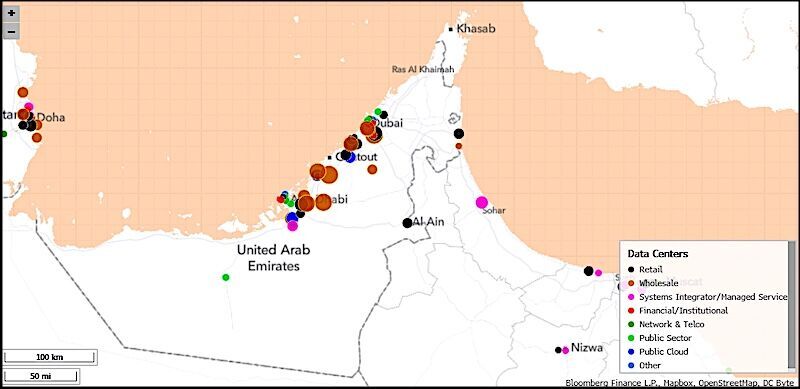
UAE datacenters map
UAE Data Centers Map
We told readers one month ago that, while trillions of dollars are being allocated to the global data center buildout, virtually every Wall Street analyst remains fixated on financing, chip stacks, power, land, water, and other obvious mainstream inputs. However, we identified one overlooked emerging threat they missed: the risk of kamikaze drone attacks.

By Sunday morning, that risk was realized, as our note pointed out that Amazon's cloud unit, AWS, experienced degraded service in the United Arab Emirates due to a "localized power issue.
Operational Services info
Now, a Reuters report provides more color on what exactly happened after an AWS data center in the UAE had to shut down operations, in what appears to be the first known instance of a commercial data center being physically targeted in a conflict.

Rose

Every single cell in your body could be conscious

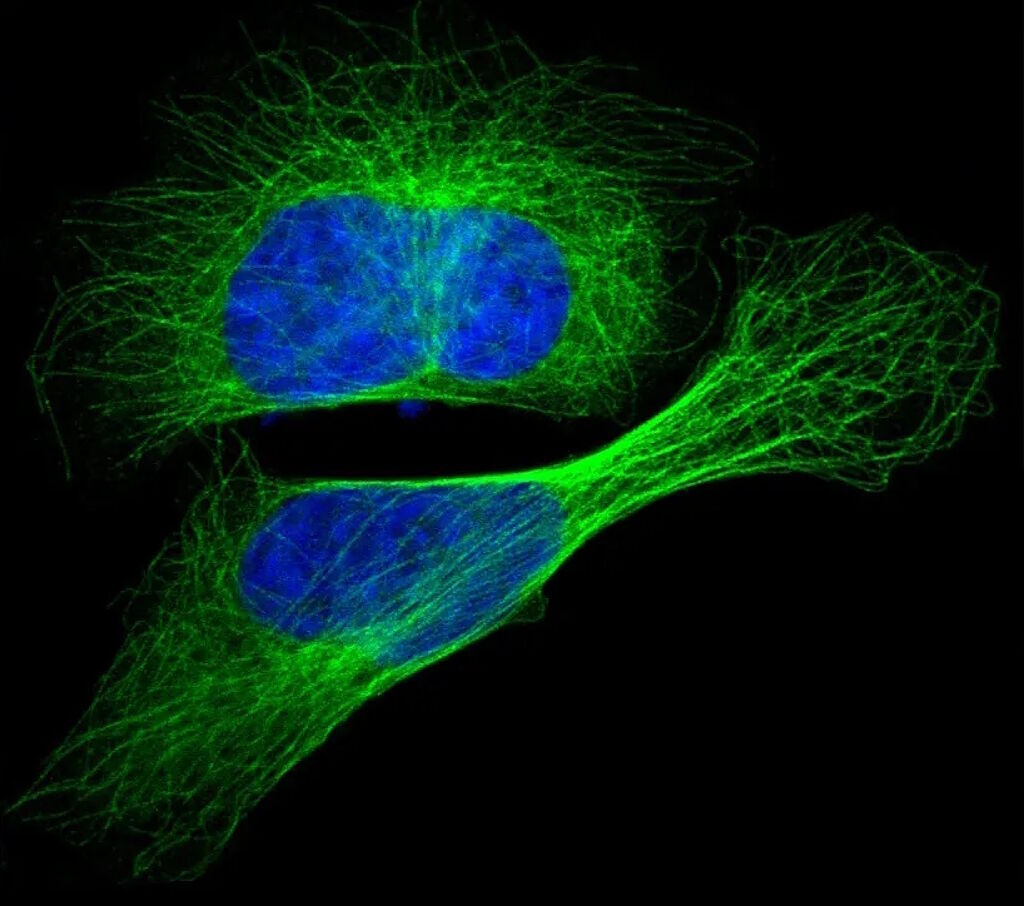
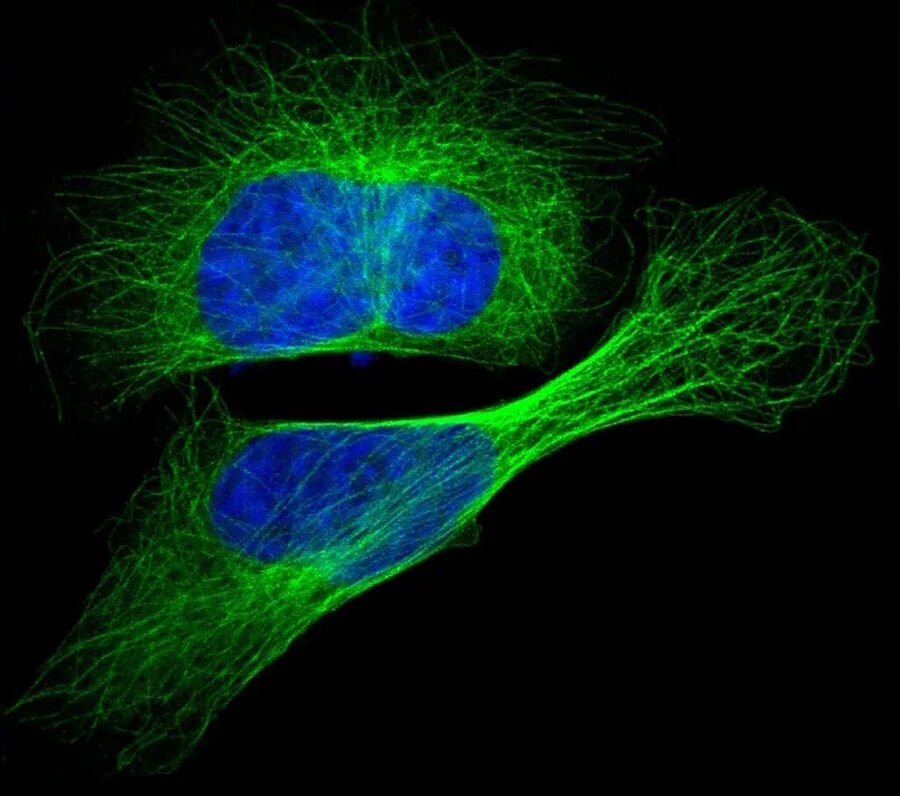
cell nucleus microtubules
Microtubules (Green): These are structural components of the cell's cytoskeleton, functioning as a rail network for transporting cargo like vesicles and organelles.

Nucleus (Blue): The large, blue circular structures contain the cell's genetic material.
The reason for such cooperation comes down to a cellular form of intelligence, says evolutionary biologist and physician William B. Miller, Ph.D. He's co-author of the book, The Sentient Cell: The Cellular Foundations of Consciousness, published in January 2024, which proposes a radical new way of thinking about some of life's tiniest components.

Miller is among a small but growing group of scientists who believe we should no longer think of cells as passive robots that automatically follow a code of instructions, carrying out orders from our genome like mindless drones. Instead, they say, the roughly 37 trillion cells that make up our own bodies are conscious — and that life and consciousness began at the same time.

It's a revolutionary idea, Miller tells Popular Mechanics, but assuming cells have a form of consciousness can give us a better understanding of complex processes. These include cellular communication and decision-making, and even the motivation behind an embryonic cell specializing into a specific organ. While it's not widely accepted among scientists, this concept of "existential consciousness" will profoundly transform the way we approach cellular bioengineering problems like tissue regeneration, provide a different perspective on finding cures for diseases like cancer, and even help us survive on Mars, Miller says.


Question

Damascus steel was an ancient super-metal: Why did it vanish?

damascus steel blade
© iStock / Getty Images PlusDamascus steel blade.
Scientists are uncovering the mystery of this legendary sword metal.

When Crusaders and pilgrims returned to Europe in the Middle Ages, they spoke of the fearsome weapons wielded by their Muslim adversaries — especially their swords. Over time, Europeans named the mysterious metal from which these blades were forged: Damascus steel, after the ancient Syrian city.

Damascus steel swords, it was said, were sharper and harder, yet lighter and swifter, than the heavy Crusader blades. For centuries, the secret of their construction remained a mystery.

Arrow Down

Run screaming: Rising CO2 has been detected in human blood!

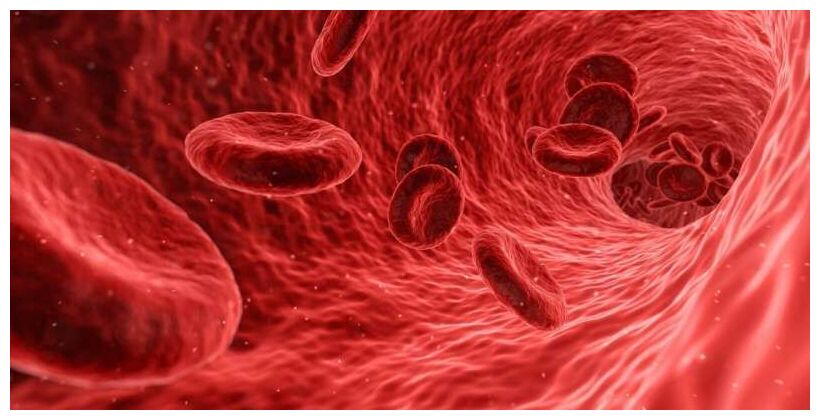
Blood CO2
© CC0 Public Domain
The one-eyed science monster is here again to scare teenage girlies

No one is funded to poke holes in the CO2-octopus, so researchers can follow a silly idea for a long time. In a normal world someone would have scoffed and squashed this horror show in the tea room.

It is yet another meaningless correlation pretending to be a dangerous trend. Supposedly rising levels of carbon dioxide in the air around us is tainting our very blood, causing a public health crisis. Atmospheric CO2 is "higher than anything humans ever experienced" says Dr Phil Bierwirth, worried that current CO2 levels are beyond what we evolved to deal with, and 100% wrong.

Poor Dr Bierworth obviously doesn't realize that even though atmospheric CO2 has risen from 320ppm to 420ppm, normal indoor CO2 levels are 500 to 1,000 ppm, and the air we breathe out is 40,000ppm.

We don't need a quarter century to raise our blood CO2 levels — we can hold our breath and get there in sixty seconds.

Or we just need to go jogging.

Since he is a retired environmental geoscientist, it was cruel to set him up to fail so badly on what is a beginner medical question.
Rising carbon dioxide levels now detected in human blood

— Phys Org

Rising carbon dioxide levels are being detected within the human body, with new research warning a key blood marker for the gas could near its healthy limit within decades if current trends continue. The findings are especially relevant for children and adolescents, whose developing bodies will experience the longest cumulative exposure to rising atmospheric CO₂.

Using data from the U.S. National Health and Nutrition Examination Survey (NHANES), the team examined blood results from around 7,000 people every two years between 1999 and 2020.

Average levels of serum bicarbonate — a marker closely linked to carbon dioxide in the body — have risen by approximately 7% since 1999. Over the same period, average calcium and phosphorus levels have declined.

Galaxy

Chandra telescope spots first alien 'astrosphere' around a sun-like star

sunlike star astrosphere
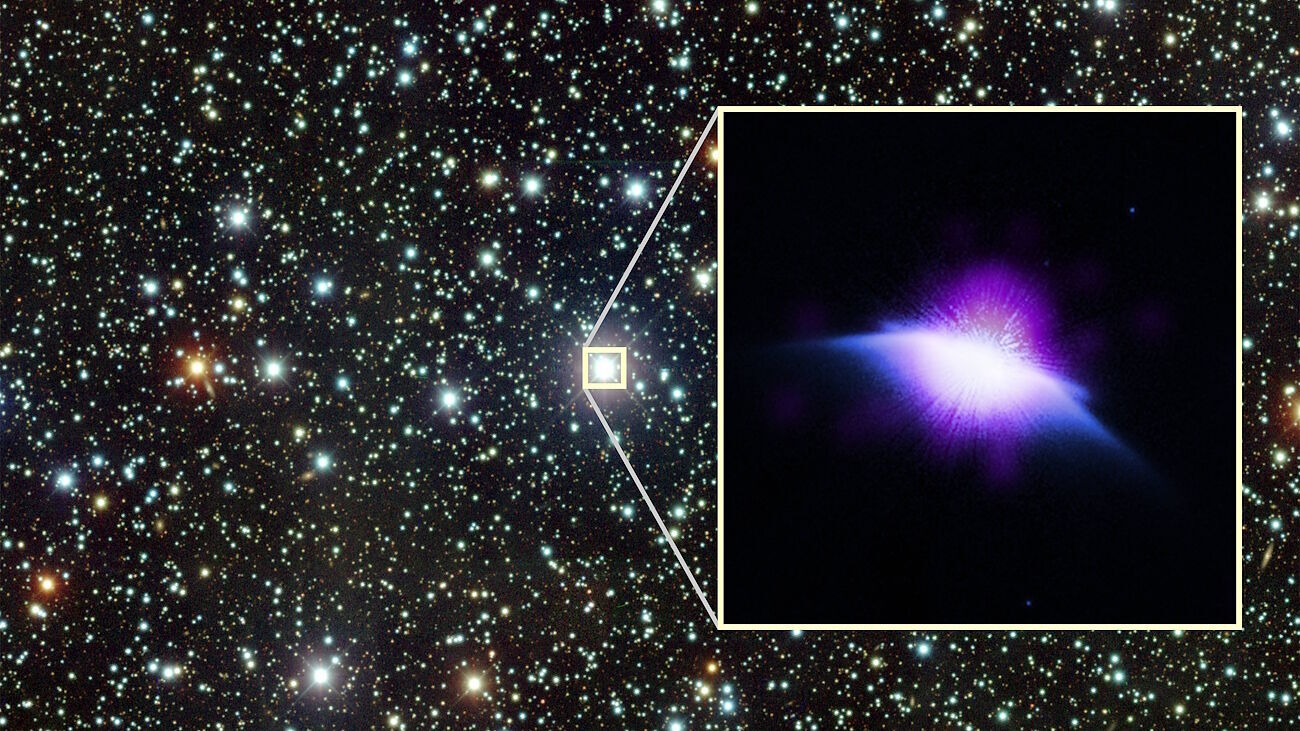
© X-ray: NASA/CXC/Johns Hopkins Univ./C.M. Lisse et al.; Infrared: NASA/ESA/STIS; Optical: NSF/NoirLab/CTIO/DECaPS2)A young, sun-like star reveals its protective sheath, or 'astrosphere', for the first time in this Chandra image.
The first bubble of hot gas seen around another star has been spotted around the "Moth," just 117 light-years away.
What it is: HD 61005, a sun-like star nicknamed the "Moth"

Where it is: About 117 light-years away in the constellation Puppis

When the photo was shared: Feb. 23, 2026
The sun orbits the center of the Milky Way wrapped in a protective bubble of its own making, dubbed the heliosphere. And for the first time, astronomers have spotted a similar protective bubble forming around an alien star.

A star called HD 61005 has just been confirmed to have its own heliosphere, or "astrosphere." And since HD 61005 is much younger than the sun (about 100 million years compared to 4.6 billion years), the discovery also offers astronomers a rare glimpse into what our home star may have looked like in its infancy.

This groundbreaking image uses X-ray data from NASA's Chandra X-ray Observatory (purple and white in the image) alongside infrared (blue and white) and optical (red, green and blue) observations from other telescopes, including the Hubble Space Telescope and the Cerro Tololo Inter-American Observatory in Chile. Combining the data has enabled astronomers to capture a striking portrait of a stellar wind bubble in action.