Science & TechnologyS


Beaker

DNA analysis suggests first Australians arrived about 60,000 years ago

australia rock art aborigines
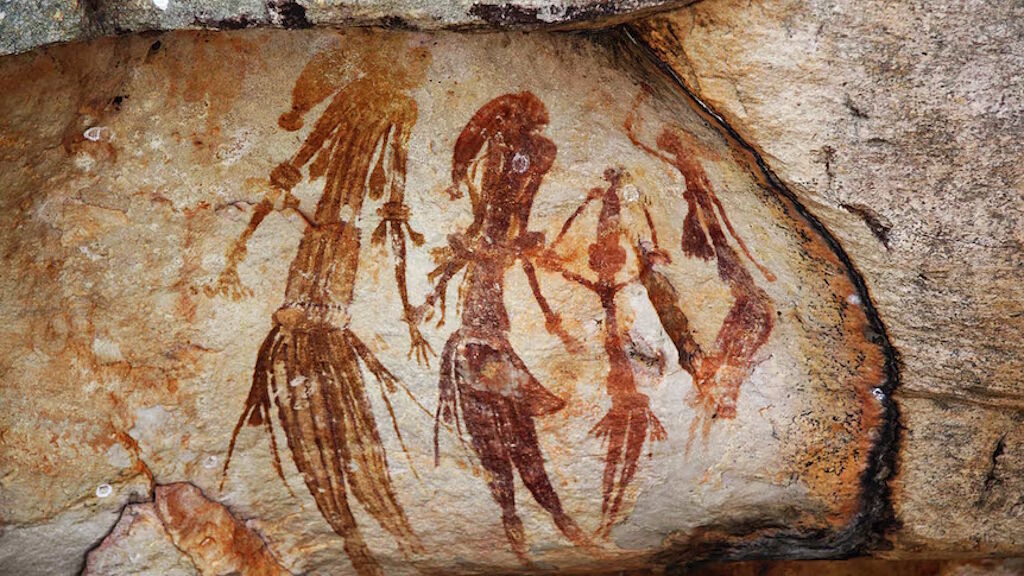
© TimJN1/FlickrGwion Gwion rock paintings in the Kimberley region of Western Australia, taken at a site off Kalumburu Road near the King Edward River.
Humans first travelled to the ancient landmass that would become Australia and New Guinea about 60,000 years ago via two routes, a new genetic analysis suggests.

The findings, published today in Science Advances, bring the date of when the First Australians arrived in Sahul — based on genetic evidence — much closer to those in the archaeological record of about 65,000 years.

According to Christopher Clarkson, an archaeologist at Griffith University, the question of when First Nations people arrived in Australia has sparked ongoing "fierce debate" in the fields of genetics and archaeology.

Until now, dates based on genetics placed arrival between 47,000 and 51,000 years ago.

"We've been pointing to this mystery of why is there this time gap, and why does the genetics not match the older archaeological record?" Professor Clarkson, who was not involved in the new study, said.

"Now, with this new analysis ... we can see for the first time that actually these two things do match very well."

Comment:


Lightning

NASA's Perseverance rover captures sounds of lightning on Mars

rover detect lightning mars
© Mark Garlick/Science Photo Library/GettyAn artist's impression of lightning on Mars.
A lonely rover toiling among the sands of Mars has now answered an age-old question: If lightning crackles on the red planet and no one hears it, does it still make a sound?

In recordings obtained by NASA's Perseverance rover, scientists have identified, for the first time, electrical discharges captured during Mars's wild dust events and whirling dust devils - not once, but 55 times over two Martian years of observation.

Crucially, the dusty weather in which these events appeared reveals the specific conditions required to generate electricity in the thin, bone-dry atmosphere of Mars - long suspected but never directly demonstrated until now.

Clock

Scientists discover ancient magnetic fossils of unknown creature who navigated with internal GPS

fossil magnetic navigation
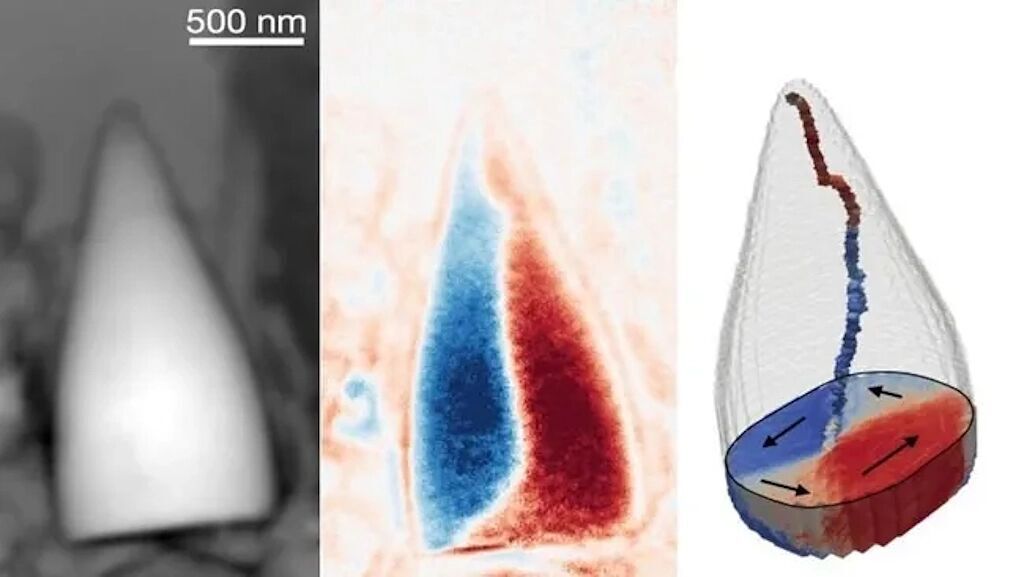
© Dr C.M. Martin-JonesA magnetofossil detected by the team
"Whatever creature made these magnetofossils, we now know it was most likely capable of accurate navigation."

Animals like birds and sea turtles navigate using a "biological GPS" called magnetoreception. We now actually know that many animals use this method to connect with Earth's magnetic field so they know where to go — but scientists don't really understand how the whole process works yet.

As such, researchers at Cambridge University and the Helmholtz-Zentrum Berlin have been studying tiny ancient fossils littering ocean floors to learn more about magnetoreception. And sure enough, the team says they've discovered that these "magnetofossils" indeed exhibit magnetoreception. Because they found the magnetofossils in sediments that date back 97 million years, their work could be the first time we've had direct evidence that animals have been navigating the world like this for a very long time.

Comment: More research on animal navigation. The ability to orient via Earth's magnetic fields has been conserved for millions of years:


Info

Super-rare 'hybrid' blood type discovered in just 3 people

Blood Vial
© Andrew Brookes/Getty Images
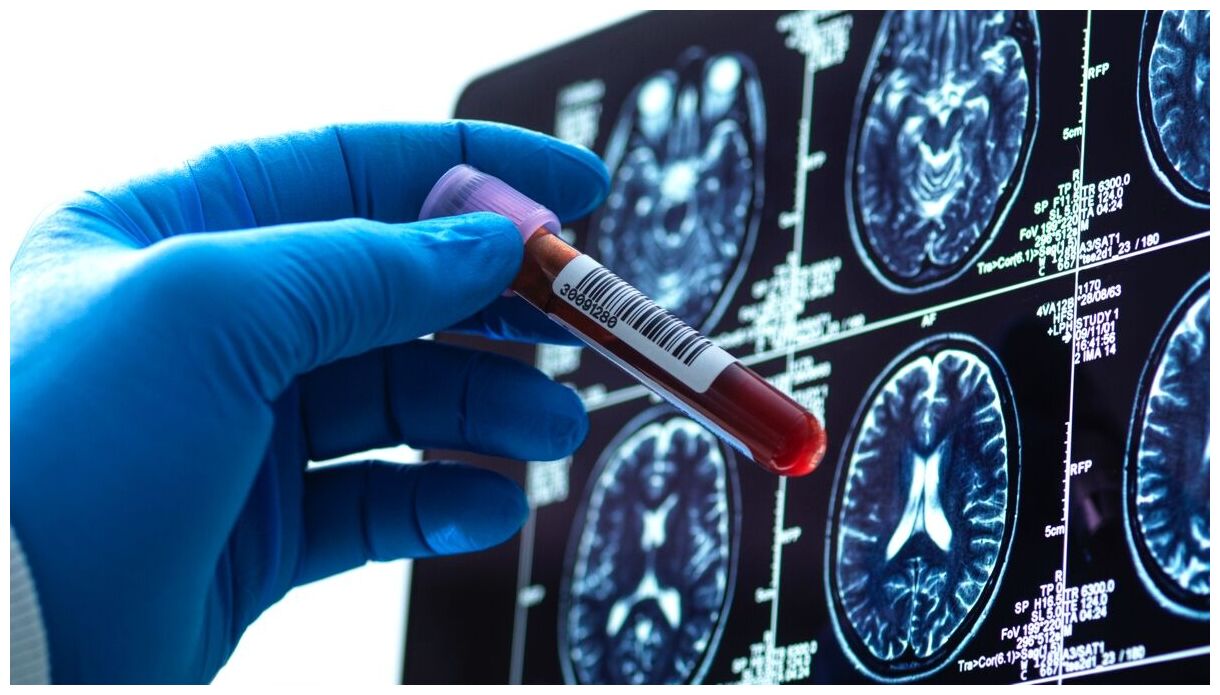
An investigation into why blood doesn't always behave as doctors expect has revealed a super-rare mutation in an extremely uncommon variation of blood.

Testing more than 544,000 blood samples in a hospital in Thailand revealed three people carrying a never-before-seen version of the B(A) phenotype - a genetic quirk estimated to occur in about 0.00055 percent of people, or roughly one in 180,000.

This discovery, says a team led by hematologist Janejira Kittivorapart of Mahidol University in Thailand, suggests that there may be more rare blood variants out there, too subtle for standard testing to detect.

Human blood is categorized into eight main groups based on the sugars and proteins - or lack thereof - stuck all over your red blood cells.

A, B, and AB types are based on the shape of antigens, sugar molecules that can trigger an immune response. O-type blood has no A or B antigens. Meanwhile, rhesus factors are proteins that determine blood compatibility, and are what give your blood its + or - designation.

Bandaid

When you're ill, your brain's built-in 'isolation mode' kicks in

sick in bed graphic
© Neuroscience News
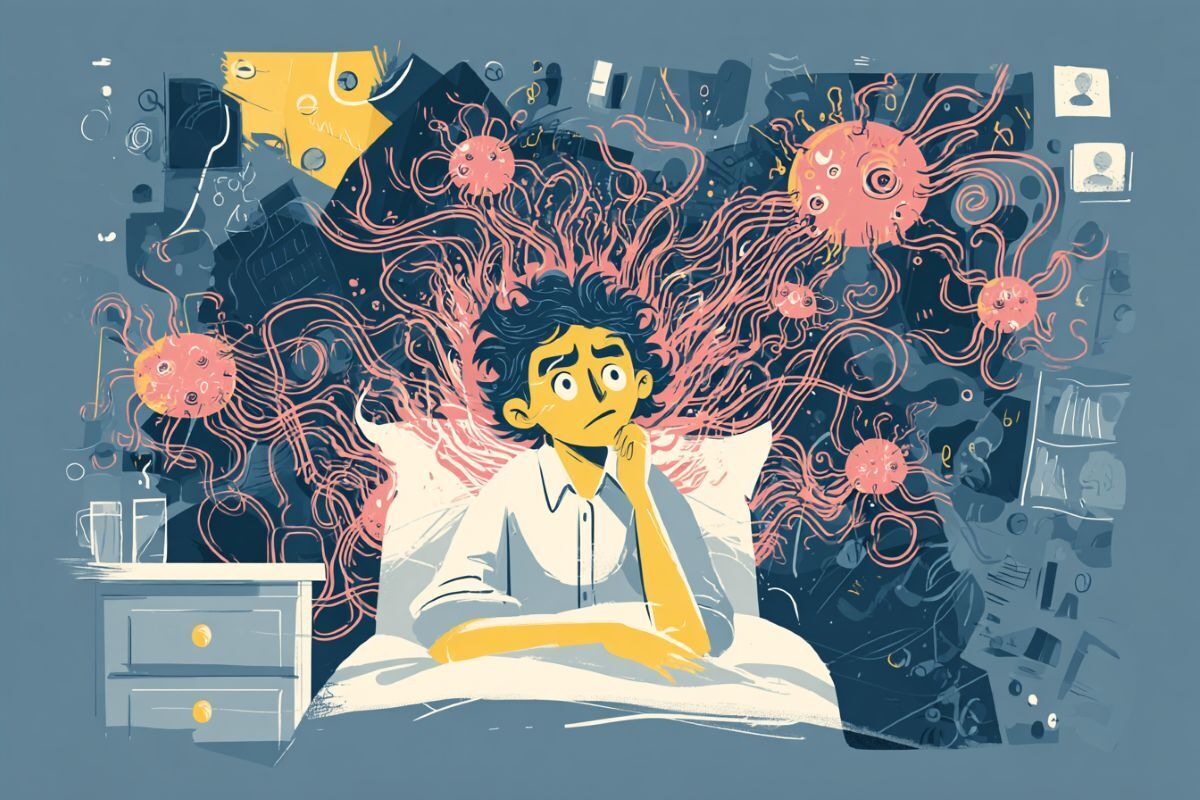
"I just can't make it tonight. You have fun without me." Across much of the animal kingdom, when infection strikes, social contact shuts down.

A new study details how the immune and central nervous systems implement this sickness behavior.

It makes perfect sense that when we're battling an infection, we lose our desire to be around others. That protects them from getting sick and lets us get much needed rest. What hasn't been as clear is how this behavior change happens.

In the research published Nov. 25 in Cell, scientists at The Picower Institute for Learning and Memory of MIT and collaborators used multiple methods to demonstrate causally that when the immune system cytokine interleukin-1 beta (IL-1β) reaches the IL-1 receptor 1 (IL-1R1) on neurons in a brain region called the dorsal raphe nucleus, that activates connections with the intermediate lateral septum to shut down social behavior.

Brain

Scientists identify five ages of the human brain over a lifetime

brain age five stages
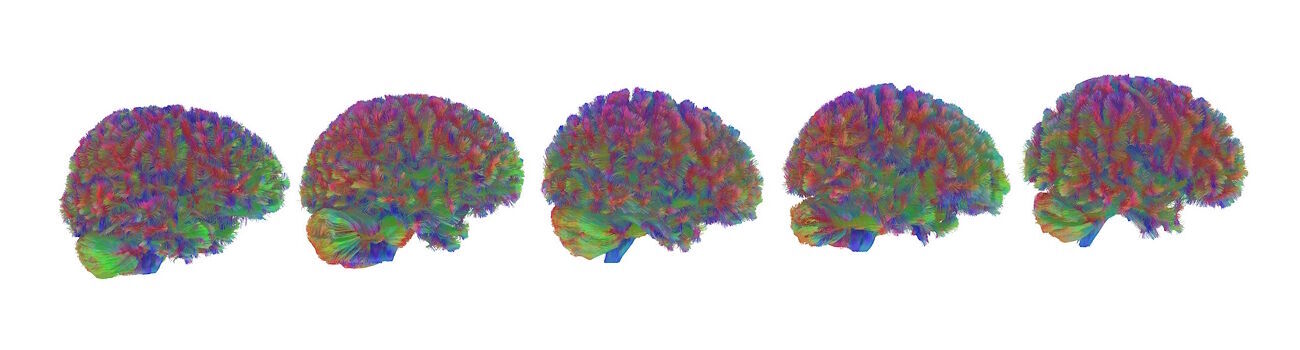
© University of CambridgeResearchers have identified five distinct stages of aging in the human brain. All images are representative MRI tractography images of each epoch of the human brain. Each image is representative of the general pattern seen across the brains in the study during each era of neural wiring.
Four major turning points around ages nine, 32, 66 and 83 create five broad eras of neural wiring over the average human lifespan.

Neuroscientists at the University of Cambridge have identified five "major epochs" of brain structure over the course of a human life, as our brains rewire to support different ways of thinking while we grow, mature, and ultimately decline.

A study led by Cambridge's MRC Cognition and Brain Sciences Unit compared the brains of 3,802 people between zero and ninety years old using datasets of MRI diffusion scans, which map neural connections by tracking how water molecules move through brain tissue.

In a study published in Nature Communications, scientists say they detected five broad phases of brain structure in the average human life, split up by four pivotal "turning points" between birth and death when our brains reconfigure.

Microscope 1

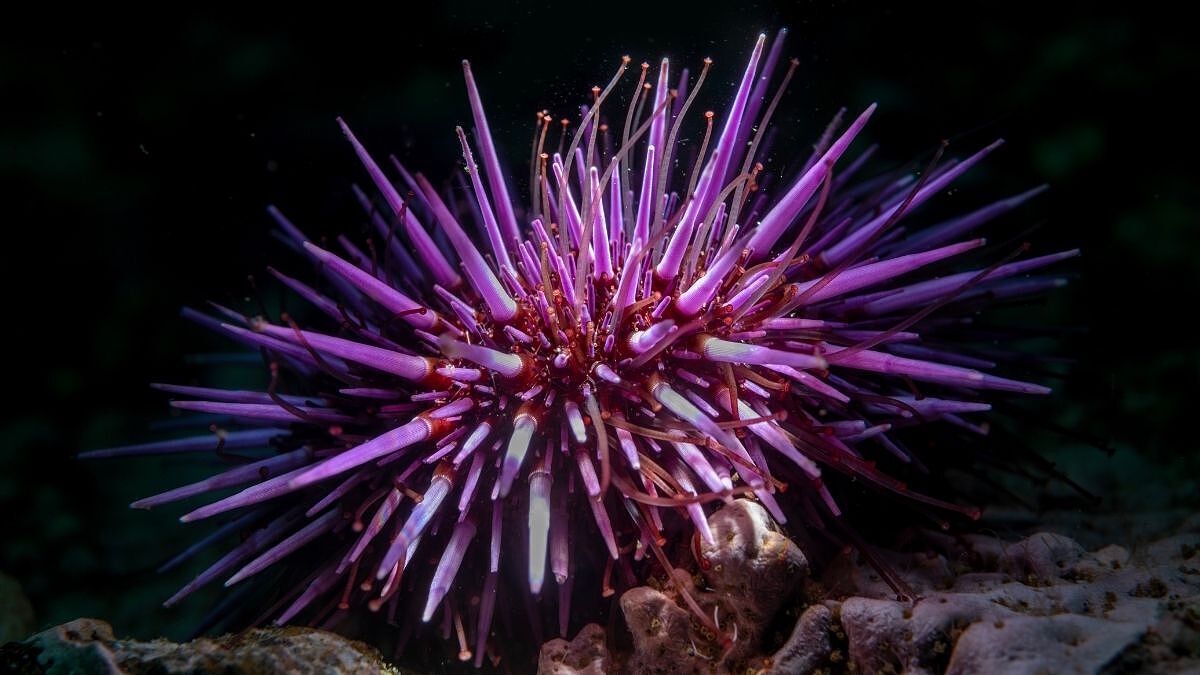
Meet the sea creature who is basically 'all brain'

sea urchin all brain
© joebelanger/Getty ImagesNow we know what the sea urchins are really protecting.
Sea urchins may just look like a ball of spikes waiting to be stepped on at the tide pool, but there's much more to these barbed beasts than just roe and teeth.

New research reveals sea urchin nervous systems are far more complex than we knew. These creatures, it turns out, possess 'all-body brains' and, at least in their genetic layout, they are remarkably similar to our own.

A team of scientists led by developmental biologist Periklis Paganos from Stazione Zoologica Anton Dohrn in Italy made the discovery while investigating metamorphosis in purple sea urchins (Paracentrotus lividus), which transform from free-swimming, planktonic larvae to the mature, spine-encrusted form we're more familiar with.

Comment: More information on this unusual creature:


Info

Meet the Seven Sisters' 3,000 lost siblings

The Pleiades star cluster is part of a much larger complex that stretches across the entire sky, a new study shows.
The Pleiades open star cluster
© NASA / ESA / AURA / CaltechThe Pleiades open star cluster.
Of all star clusters, the Pleiades are the most famous: Their brightest members, known as the Seven Sisters, are a delight to the naked eye. Look at them tonight, one hour after dark, right above the eastern horizon — but be aware that what you're seeing (and what early humans have painted on cave walls and mysterious Bronze Age disks) is just the tip of the iceberg: By combining data from different observatories, a team of astronomers has managed to identify more than 3,000 stars that formed together with the Pleiades but are now spread across nearly 2,000 light-years. They sprinkle the entire sky, with a notable concentration along the galactic plane.
Greater Pleiades Complex
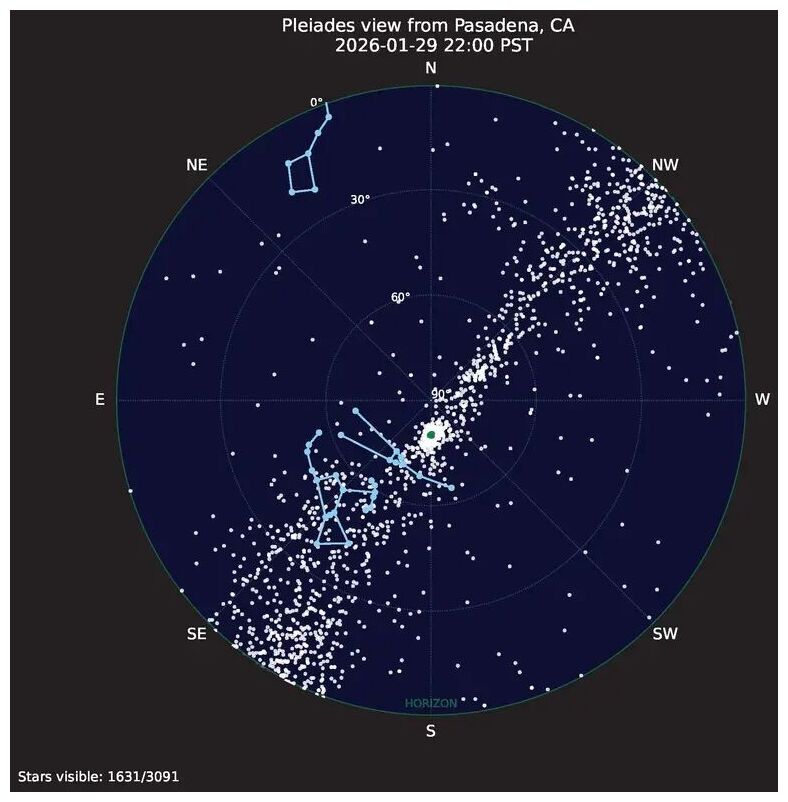
© Andrew Boyle / University of North Carolina Chapel HillThis starmap shows the full extent of the Greater Pleiades Complex as it would appear on the Pasadena night sky if every star in it were visible. Of the 3,019 stars that make up the complex, 1,631 are visible above the horizon. The seven stars that comprise the Pleiades, or Seven Sisters, constellation are shown in green while all the other members of the complex are in white. The Big Dipper, Orion, and Taurus are overlaid in blue.
"We are calling this the Greater Pleiades Complex," says Luke Bouma (Carnegie Institution for Science), who together with team lead Andrew Boyle and Andrew Mann (both University of North Carolina) published their findings in the November 20th Astrophysical Journal: "Most of the members of this structure originated in the same giant stellar nursery," he adds.

Doberman

Will the 'trash panda' become our next pet?

cute racoon
© Picture by vivashko on Wallpapers.comHeading for domestication?
Like wolves that once became dogs, trash pandas appear to be adapting anatomically to life alongside humans, slowly stepping toward domestication.

Humans' ongoing expansion into natural environments might be triggering the evolution of a new household pet, one that's increasingly comfortable in the urban spaces we create. Researchers from the University of Arkansas at Little Rock (UALR) noticed anatomical changes in raccoons and wondered whether these little trash pandas are actually undergoing a domestication process simply by spending so much time around us.

Their study, published in Frontiers of Zoology, describes how urban raccoons have smaller snouts compared to their rural counterparts, similar to patterns seen in other domesticated species. Based on this discovery, we might one day welcome another species into our homes, enjoying their tameness and curiosity not just from a distance.

Comment:


Magnify

The planetary bio-surveillance grid

Camera and pink things
© Unknown
Let's imagine a world where a faulty worldview in a mechanistic reality has given birth to a psychotic technocratic elite that seeks to monitor every aspect of reality in AI "digital twin" systems -- but the public is increasingly showing awareness of (and resistance to!) wearable IoT devices and the surveillance state. What is a future-AI-as-god-worshipping-technocrat to do?

Naturally, preferring asymmetric warfare, you change tactics and attack in an invisible way: synthetic biology. You create surveillance microbes, stage a crisis that demands their mass deployment "for your safety." You flood the zone with them, quickly replacing the natural microbiome across farms, forests, foods, guts, and wastewater. Suddenly, humanity is being monitored from within -- no wearable devices, no microchip implants. You welcome the myriad problems this disconnection from our ancestral microbiome will inevitably create, as each offers a chance to further use biotechnology and tighten your grip.

In Part One of this series, we explored that genetically engineered microbes have already been deployed across 2% of US farmland, with no oversight or containment.

In Part Two, we saw that the system is reclassifying microbes as "critical infrastructure," moving both to construct global governance for microbes and to shield the biotech companies who manufacture them from any liability.

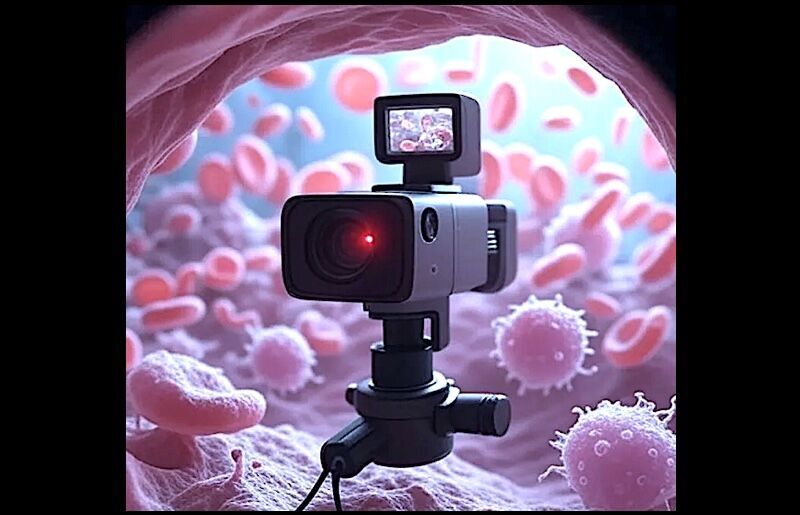
Now, we expose what this infrastructure actually does, and in doing so, finally learn what the technocrats mean when they say "biodigital convergence": the construction of a planetary-scale surveillance grid comprising genetically engineered (GE) microbes that sense and report on their surroundings, be that in soil or grape or large intestine.

We'll then have a better understanding of just how complete and absolute a technocratic totalitarianism — armed with such a microbial army — really is. Let's start by looking more deeply at a principal player in the engineered microbe space: Ginkgo Bioworks.