
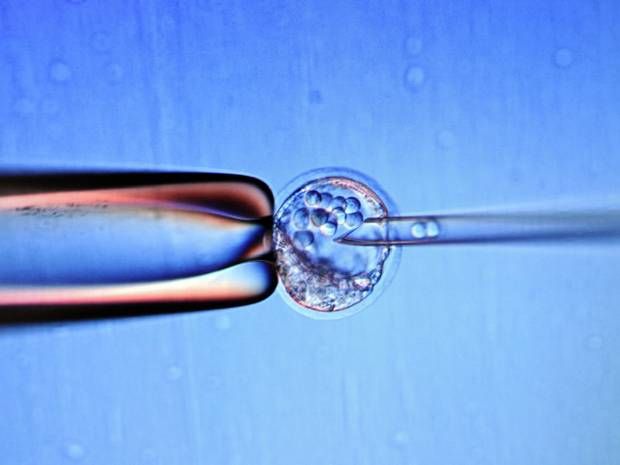
One case involving stem cells occurred in the past year with Haruko Obokata, a young cell biologist at the Riken research institute in Japan
On other occasions, scientists can be duped by the misconduct of their own colleagues prepared to cherry-pick favourable data to suit their conclusions, or, even worse, to fabricate data and commit outright scientific fraud - the most heinous crime in science.
One of the best examples of fraudulent research in recent years was the work on the cloning of human embryos by the South Korean researcher Hwang Woo-Suk of Seoul National University who announced in two scientific studies published in 2004 and 2005 that he had isolated human embryonic stem cells.
It turned out that he had faked many of the results and that he had engaged in dubious ethical practices in obtaining the human eggs needed for the research. He was eventually charged and found guilty of embezzlement and bioethical violations.
















Comment: Unfortunately these cases are becoming all too common:
The Corruption of Science: Pressure for positive results puts science under threat, study shows
Corrupt Science: Cancer Research of 10 Years Useless: Fraudulent Studies, Says Mayo Clinic
Research Integrity? What a Joke! A New Code of Conduct for Researchers
Psychopaths in Academia: Report finds massive research fraud at Dutch universities
Netherlands: Tilburg Professor Faked Data in at Least 30 Academic Publications
FDA secretly retests 100 drugs after testing company admits work was all fraudulent