
© Wattsupwiththat.com
According to The Guardian;
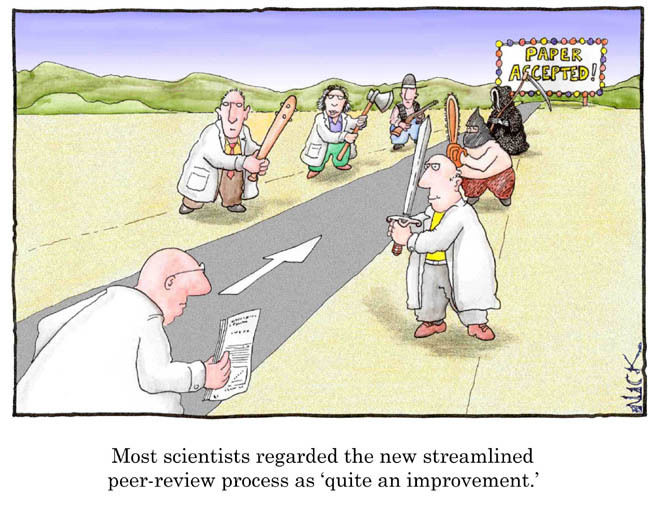
"some scientists would prefer ... that results are announced only after they have passed peer review, ie been checked by experts and published in a reputable journal.
There are many reasons why this will no longer wash. Those days of deference to patrician authority are over, and probably for the better. We no longer take on trust what we are told by politicians, experts and authorities. There are hazards to such scepticism, but good motivations too. Few regret that the old spoonfeeding of facts to the ignorant masses has been replaced with attempts to engage and include the public.
But science itself has changed too. Information and communications technologies mean that not only is it all but impossible to keep hot findings under wraps, but few even try. In physics in particular, researchers put their papers on publicly accessible pre-print servers before formal publication so that they can be seen and discussed, while specialist bloggers give new claims an informal but often penetrating analysis. This enriches the scientific process and means that problems that peer reviewers for journals might not notice can be spotted and debated. Peer review is imperfect anyway - a valuable check but far from infallible, and notoriously conservative."
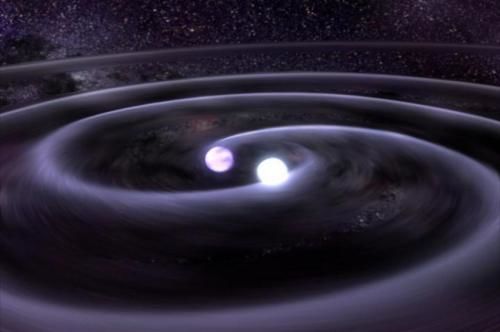
Scientists got it wrong on gravitational waves. So what?



















Comment: See also: Peer review: the myth of the noble scientist