

© Gunther KletetschkaGeologists inspect an outcrop near the sample collection site.
The key, according to work by associate research professor Gunther Kletetschka at the UAF Geophysical Institute, is in the greatly reduced level of natural remanent magnetization of rock that has been subjected to the intense forces from a meteor as it nears and then strikes the surface.
Rocks unaltered by manmade or non-Earth forces have 2% to 3% natural remnant magnetization, meaning they consist of that quantity of magnetic mineral grains — usually magnetite or hematite or both. Kletetschka found that samples collected at the Santa Fe Impact Structure in New Mexico contained less than 0.1% magnetism.

















Comment: Careful with the 'once-in-a-century' assumption. In fact, now that this new bar has been set, here's a 'joke' for moon researchers: expect more lunar impacts in the coming years, and maybe months.
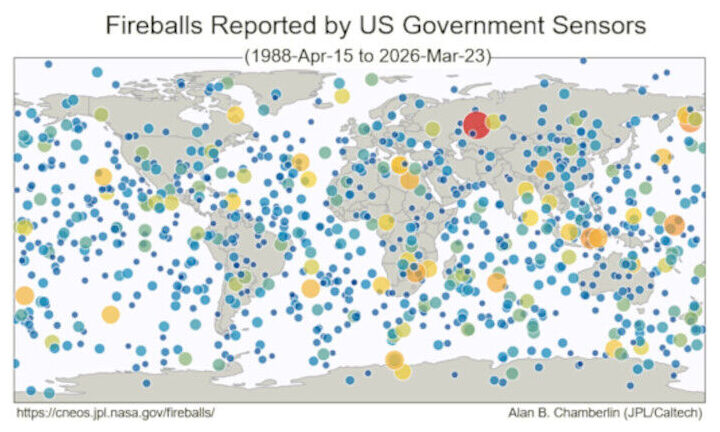
See also: The mystery of the Ohio and Texas fireballs