Science & TechnologyS


Network

So hackers just stole Mexico's tax and voter rolls: You'll never guess how

claude ai help hack mexico voter tax rolls
© igmGuruA hacker was able to find a combination of prompt to get Claude AI to assist in hacking the Mexican governments voter and tax rolls.
This story doesn't quite feature the gut-punch immediacy of Mexico's drug war escalating into a virtual civil war last week in and around Puerto Vallarta, but as a glimpse into the future, maybe it ought to send a chill or three down your spine.

According to a new Bloomberg story (paywalled, sorry), a weeks-long hacker campaign against the Mexican government culminated in January with a massive data theft of some of the federal government's most sensitive information.

"By the time it was over," Let's Data Science reported on Wednesday, "the attacker had stolen 150 gigabytes of sensitive data — including 195 million taxpayer records, voter registration files, government employee credentials, and civil registry data."

Comment: More from Endgadget:
The hacker remains unidentified. The attacks haven't been attributed to a specific group, but Gambit Security did suggest they could be tied to a foreign government. It's also unclear what the hacker wants to do with all of that data.

Mexico's national digital agency hasn't commented on the breach, but did note that cybersecurity is a priority. The state government of Jalisco denies that it was breached, saying only federal networks were impacted. However, Mexico's national electoral institute also denied any breaches or unauthorized access in recent months. It's worth noting that Gambit found at least 20 security vulnerabilities during its research that the country is likely not keen on highlighting.

This isn't the first time Claude has been used for a major cyberattack. Last year, hackers in China manipulated the tool into attempting to infiltrate dozens of global targets, several of which were successful. Anthropic just nixed its long-standing safety pledge, which committed to never train an AI system unless it could guarantee in advance that safety measures were adequate. So who knows what fresh hell the future will bring as the company's tools become more advanced.


Archaeology

Not flat-footed lumbering giants: New research shows T. rex. walked on tiptoes

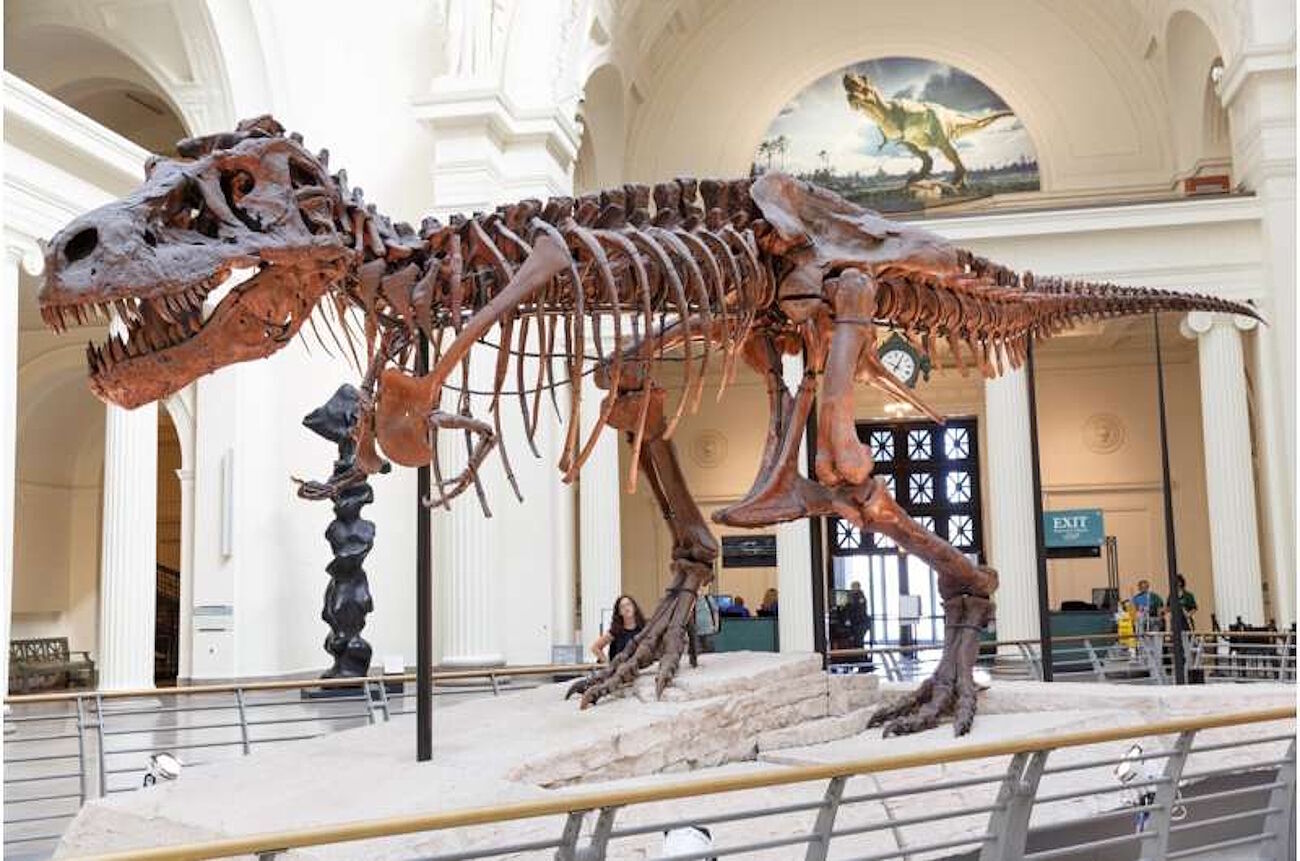
Tyrannosaurus rex t. rex skeleton complete
Tyrannosaurus rex skeleton called Sue in The Field Museum in Chicago.
Powerful, fierce and the king of the Cretaceous world, Tyrannosaurus rex was the ultimate apex predator. But it was also surprisingly dainty on its feet, according to new research. Findings published in the journal Royal Society Open Science show that when these giant beasts walked and ran, they did so on tiptoes.

The T. rex fossil record is rich and has given us many insights into how these animals hunted and grew. But little is known about one aspect of its locomotion and that is how its foot struck the ground. So a team led by the College of the Atlantic in Maine studied the feet of four well-preserved T. rex specimens.

Foot strikes

The scientists started by taking precise measurements of leg and foot bones and plugging the numbers into three equations used to estimate animal speeds. Next, they modeled three ways the foot could hit the ground. These were landing on the rear of the foot, the middle or on tiptoes. To see which style was most likely, they compared these models to data from humans and ostriches.

Microscope 2

New technology reveals hidden DNA scaffolding built before life 'switches on'

Drosophila embryo nuclear division development
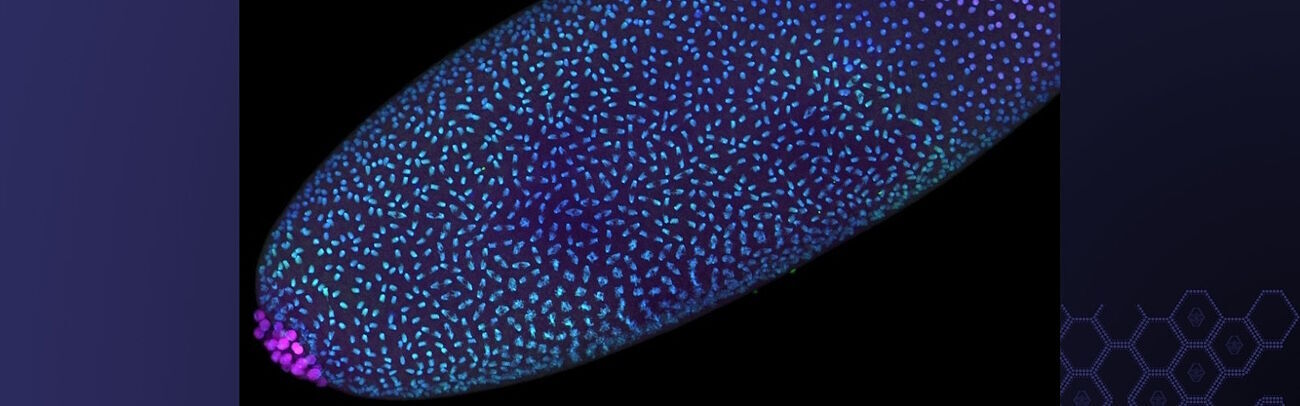
© Clemens HugAn early Drosophila embryo captured during a wave of nuclear division. Dividing nuclei (blue) and non-dividing nuclei (pink) illustrate the rapid, highly organised nature of early development and the substantial regulation of genome organisation needed to enable proper gene activation despite repeated disruption as nuclei divide.
Researchers at the MRC Laboratory of Medical Sciences (LMS) and Imperial College London have overturned a long-standing assumption about how life begins at the molecular level. Using a new high-resolution technology, they show that the genome is far more organised during its earliest moments than previously believed. Understanding this 3D organisation is critical, as its failure can lead to developmental disorders and diseases such as cancer.

For decades, scientists viewed the genome of a newly fertilised egg as a structural 'blank slate' - a disordered tangle of DNA waiting for the embryo to 'wake up' and start reading its own genetic instructions.

In research published today in Nature Genetics, Professor Juanma Vaquerizas and his team have found that a surprising level of structure is already in place. They've developed a breakthrough technology, called Pico-C, which enables scientists to see the 3D structure of the genome in unprecedented detail. Using this technique, they discovered that well before the genome fully awakens - a critical event known as Zygotic Genome Activation - a sophisticated 3D scaffold of DNA is already being built. Understanding how DNA folds in space matters because this controls which genes can be turned on during development, helping cells function properly and preventing developmental defects and disease.

Robot

Man accidentally gains command of 7,000 robot vacuums

robot army graphic cute
© Getty ImagesA robot vacuum army is less cute and potentially more dangerous.
A software engineer's earnest effort to steer his new DJI robot vacuum with a video game controller inadvertently granted him a sneak peak into thousands of people's homes.

While building his own remote-control app, Sammy Azdoufal reportedly used an AI coding assistant to help reverse-engineer how the robot communicated with DJI's remote cloud servers. But he soon discovered that the same credentials that allowed him to see and control his own device also provided access to live camera feeds, microphone audio, maps, and status data from nearly 7,000 other vacuums across 24 countries. The backend security bug effectively exposed an army of internet-connected robots that, in the wrong hands, could have turned into surveillance tools, all without their owners ever knowing.

Luckily, Azdoufal chose not to exploit that. Instead, he shared his findings with The Verge, which quickly contacted DJI to report the flaw. While DJI tells Popular Science the issue has been "resolved," the dramatic episode underscores warnings from cybersecurity experts who have long-warned that internet-connected robots and other smart home devices present attractive targets for hackers.

Beaker

A tiny, 45 base long RNA can make copies of itself

rna self replication small 45 base pairs
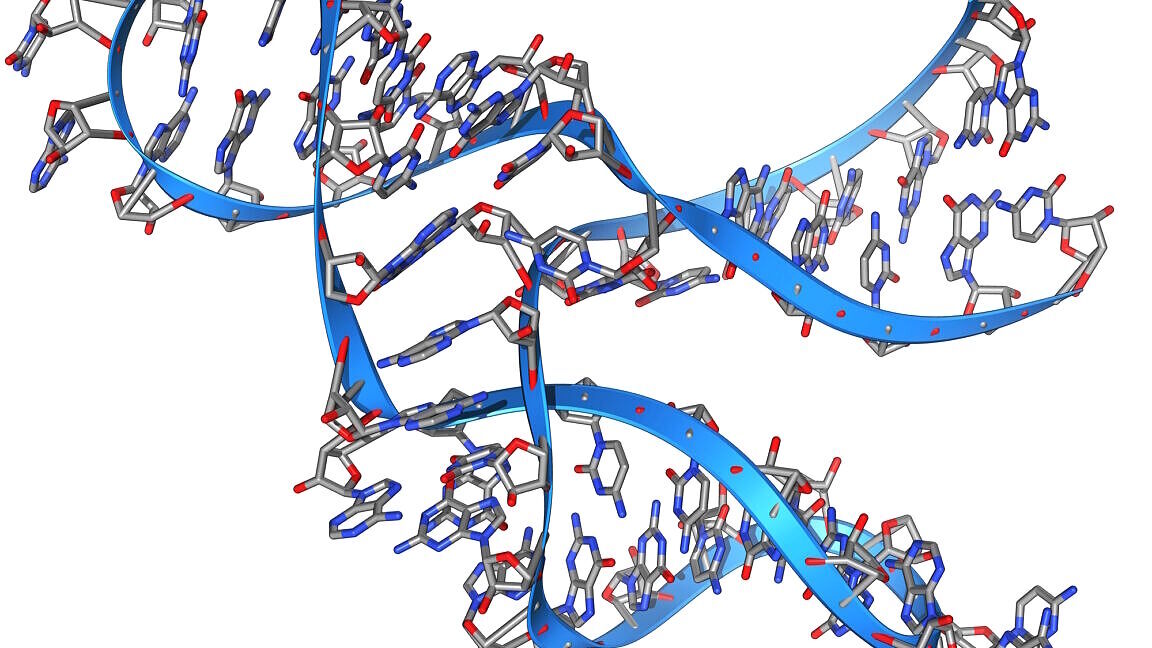
© Laguna DesignBy base pairing with themselves, RNAs can form complex structures with enzymatic activity.
Self-copying RNAs may have been a key stop along the pathway to life.

There are plenty of unanswered questions about the origin of life on Earth. But the research community has largely reached consensus that one of the key steps was the emergence of an RNA molecule that could replicate itself. RNA, like its more famous relative DNA, can carry genetic information. But it can also fold up into three-dimensional structures that act as catalysts. These two features have led to the suggestion that early life was protein-free, with RNA handling both heredity and catalyzing a simple metabolism.

For this to work, one of the reactions that the early RNAs would need to catalyze is the copying of RNA molecules, without which any sort of heritability would be impossible. While we've found a number of catalytic RNAs that can copy other molecules, none have been able to perform a key reaction: making a copy of themselves. Now, however, a team has found an incredibly short piece of RNA — just 45 bases long — that can make a copy of itself.

Light switch

Three Key Constraints That Could Derail The Data Center Buildout Story

Data centre
The data center investment macro story centers on hyperscalers such as Microsoft, Alphabet, Meta, and Amazon Web Services, whose massive cloud computing services are becoming the backbone for AI workloads, including ChatGPT and others. However, as we've previously noted, the data center buildout has run into supply-chain snarls, including memory chip shortages, power-grid constraints, and even a shortage of turbine blades for natural-gas generators.

The data center boom powering the AI revolution is certaintly impressive to watch unfold, but it won't be a straight line from here as the US attempts to hold the number one spot in the global AI race. Challenges are mounting, and the latest coverage on this comes from a conversation Goldman analyst Brian Singer had with Mark Monroe, a former principal engineer in Microsoft's Datacenter Advanced Development Group, who warned that data center buildouts face three major headwinds.

Here's a recap of the conversation between Singer and Monroe, which focused on three key constraints: power, water, and labor.

Comment: To get a down to earth understanding of some of the problems with data centres, watch this video from Scottiestech.info


Black Cat 2

How cat eyes made roads safer

black cat
© Anita Kot / Getty ImageCat eyes have even inspired some life-saving tech.
One foggy night in 1933, a businessman named Percy Shaw was driving home from the pub in Yorkshire, England. The road was twisty and hard to see. Suddenly, two bright dots flashed back at him from the roadside. Percy slammed on the brakes.

The glowing dots belonged to a cat — and they probably saved his life. If he'd kept driving, he could have gone straight off the road.

That's when Percy got his eureka moment. What if roads could "shine back" at drivers the same way cats' eyes do? Within a year, he had invented Catseye® reflectors — those studs you still see embedded in roads today. They bounce your own headlights back at you, helping you see where you're going in the dark.

But why do cats' eyes glow like that?

Sun

Researchers create a fluid that can store solar energy and then release it as heat months later

solar heater system
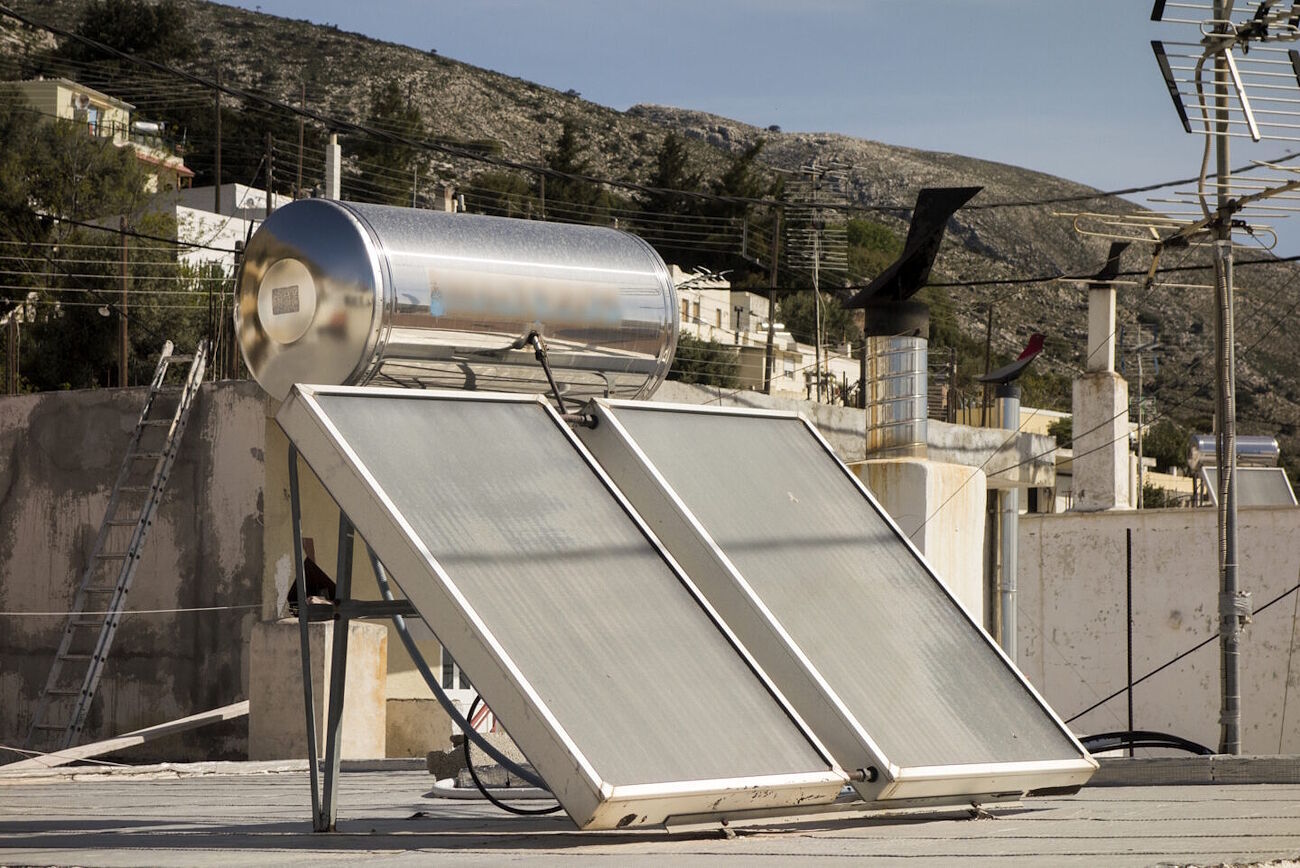
© Kypros /GettyThe system works a bit like existing solar water heaters, but with chemical heat storage
Sunlight can cause a molecule to change structure, and then release heat later.

Heating accounts for nearly half of the global energy demand, and two-thirds of that is met by burning fossil fuels like natural gas, oil, and coal. Solar energy is a possible alternative, but while we have become reasonably good at storing solar electricity in lithium-ion batteries, we're not nearly as good at storing heat.

To store heat for days, weeks, or months, you need to trap the energy in the bonds of a molecule that can later release heat on demand. The approach to this particular chemistry problem is called molecular solar thermal (MOST) energy storage. While it has been the next big thing for decades, it never really took off.

In a recent Science paper, a team of researchers from the University of California, Santa Barbara, and UCLA demonstrate a breakthrough that might finally make MOST energy storage effective.

Info

How wood records the sun's most violent outbursts

Tree Ring
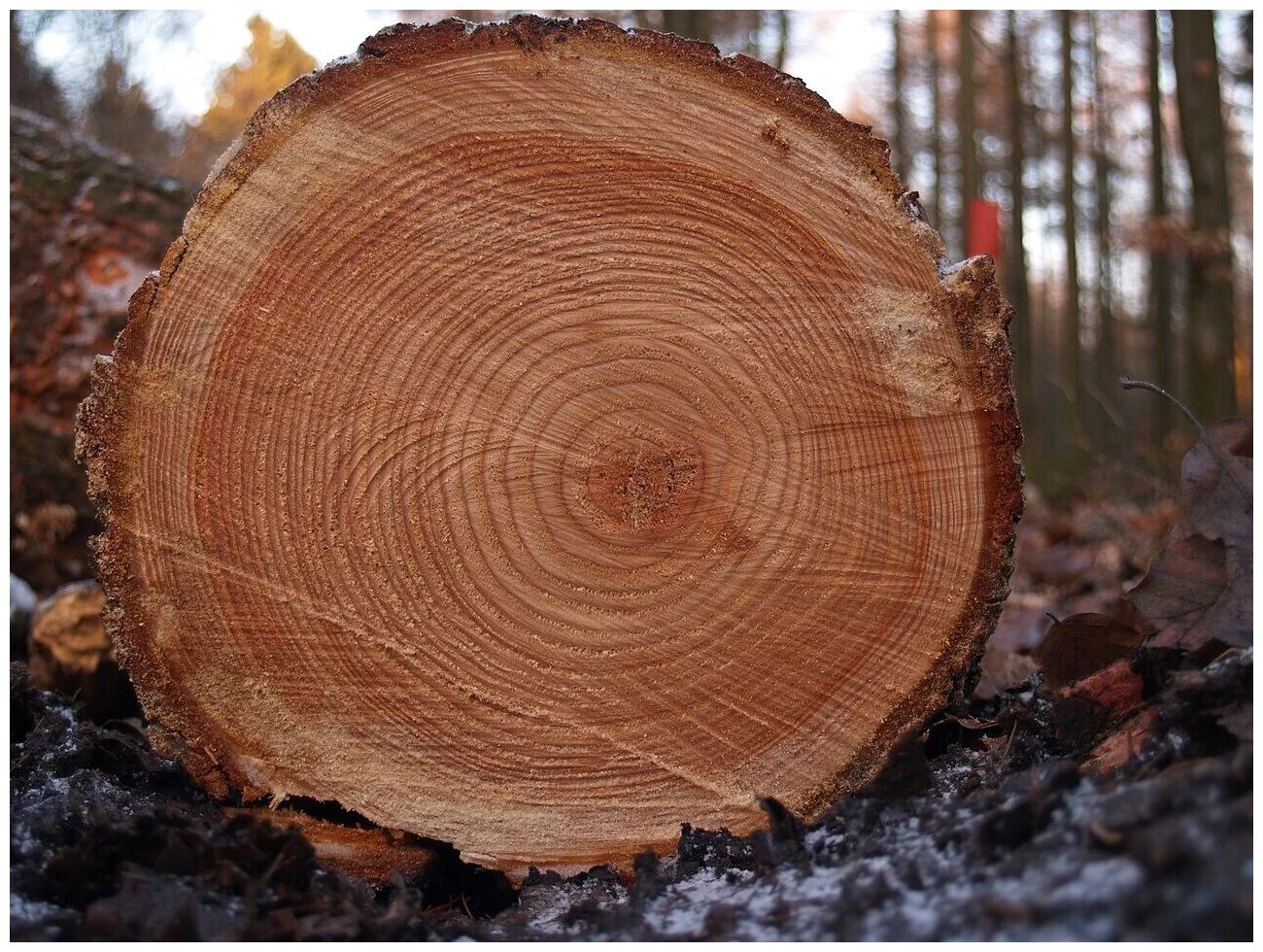
© ArnoldiusTree rings seen in a cross section of a trunk of a tree.
Somewhere around the year 774 CE, the Sun erupted with extraordinary violence. High energy particles slammed into Earth's atmosphere, triggering nuclear reactions that produced radioactive carbon-14. Trees across the planet absorbed this carbon and locked it into their wood, preserving a record of that ancient solar storm that scientists can still read today.

These extreme events, called Miyake events, represent space weather far more powerful than anything measured in the modern era. They dwarf even the 1859 Carrington Event, which created auroras near the equator.

Understanding these ancient storms matters because similar events could devastate our technology dependent civilisation, knocking out satellites, disrupting GPS and damaging power grids.

Tree rings have become invaluable for studying these storms. When cosmic rays hit Earth's atmosphere, they create carbon-14 that trees incorporate into their wood. During a Miyake event, radioactive carbon production spikes dramatically, leaving signatures in tree rings that persist for millennia.

But there's a problem. Scientists have noticed frustrating inconsistencies when comparing trees from the same event. Some show sharp carbon-14 spikes while others show gradual increases. The timing varies between species and locations, making it difficult to pinpoint exactly when storms occurred or determine their true intensity.

Robot

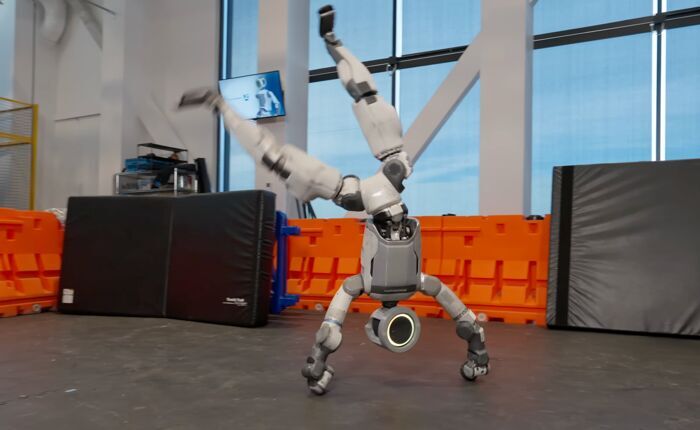
Humanoid Robot Nails Perfect Backflip As Mobility Progress Accelerates At Scary Pace

Boston Dynamics robot Atlas
Boston Dynamics has released new footage of its flagship humanoid robot program, "Atlas," showcasing next-level mobility and reinforcing our greatest fears that when these bots are paired with "brains," adoption can quickly move from factory floors to offensive defense missions.

"Now that the Atlas enterprise platform is getting to work, the research version gets one last run in the sun. Our engineers made one final push to test the limits of full-body control and mobility, with help from the RAI Institute," Boston Dynamics, which is owned by Hyundai Motor Group, wrote in the description of a video titled "Atlas Airborne."

The video shows Atlas pulling off an impressive cartwheel, capped by a near-perfect backflip landing, at the Robotics & AI Institute testing facility. The institute is a research organization focused on solving fundamental challenges in robotics and AI. The video also highlights several other mobility accomplishments.

Comment: Just five years ago Boston Dynamics had dancing robots: 'We've learned nothing from sci-fi movies': Boston Dynamics' advanced dancing robots both amuse & scare