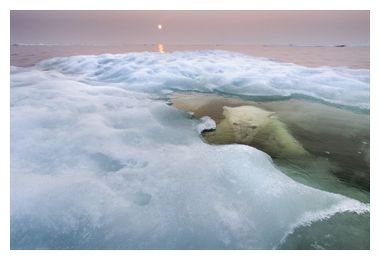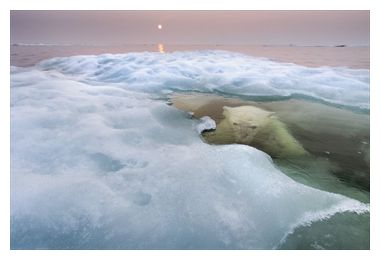
© Paul Souders/Torstar News ServiceA polar bear is seen under the surface in the frigid Arctic water.
"There are strange things done in the midnight sun," poet Robert Service wrote. He was referring to the Klondike gold rush, but he could have been referring to the Arctic atmosphere, the strangeness of which continues to confound and concern scientists.
In separate studies published this week, research teams working in Barrow, Alaska announced two discoveries about the polar air:
an unexpected process for depositing mercury pollution to land and sea, and the highest levels of molecular chlorine ever detected.The chlorine finding, published in
Nature Geoscience, is simply weird - it's too early to conclude what it means for the environment on a broader scale.
But the mercury finding,
, is worrisome. Mercury is a potent neurotoxin that enters the atmosphere through coal-burning power plants and other industries, and can be carried far from its original source. When it enters an ecosystem, bacteria can transform it into highly toxic methylmercury and that builds up in wildlife; in humans, it has a host of harmful effects including neurological damage to babies in the womb.
The twin papers are another indication that the Arctic remains an enigma, especially as it changes in response to global warming.
"There's a lot left to learn - not just about the Arctic atmosphere but about atmosphere, ocean, sea ice, land, and snow," said Kimberly Strong, an Arctic expert and atmospheric physicist at the University of Toronto who was not involved in either research team.
"We're really just starting to pull together all the bits of the puzzle, and these two studies are contributing to that."
Both of the studies relate to a peculiar process that is one of the strangest things done in the midnight sun, at least when it comes to atmospheric chemistry. More than 20 years ago, scientists discovered that something weird was happening to mercury and ozone levels in the High Arctic air in springtime: in space of just hours they would suddenly disappear, only to return again hours later.