SOTT
SIGNS
OF THE
TIMES
OF THE
TIMES
Welcome to Sott.net
The World for People who Think

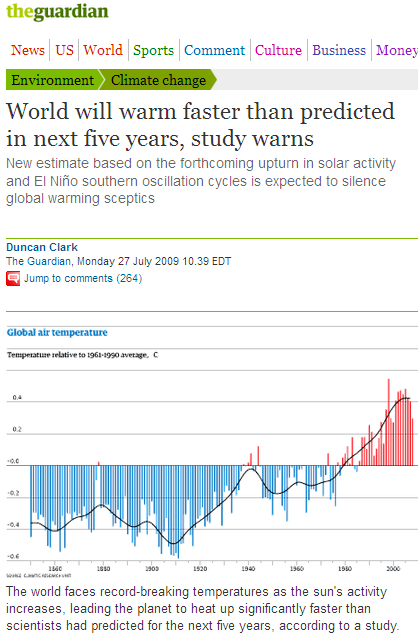
"New estimate based on the forthcoming upturn in solar activity and El Niño southern oscillation cycles is expected to silence global warming skeptics"Just a few small problems there:
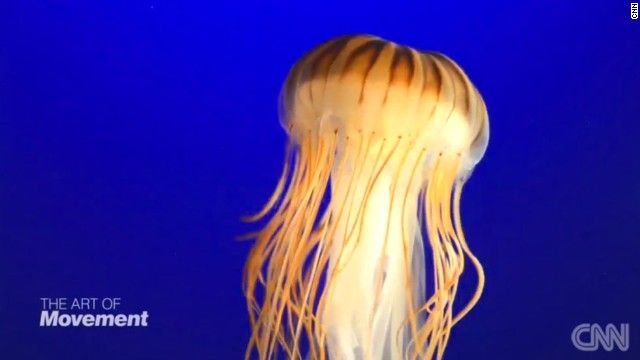
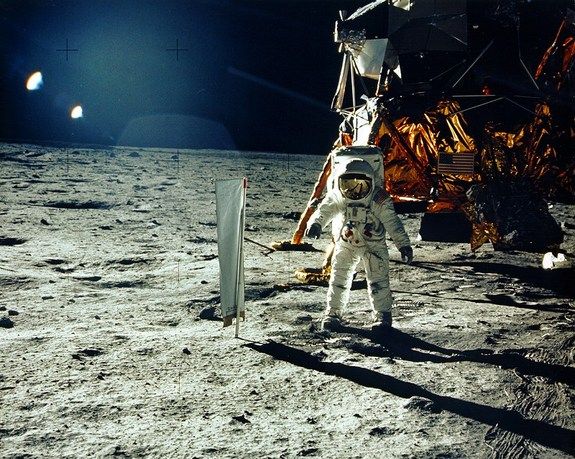
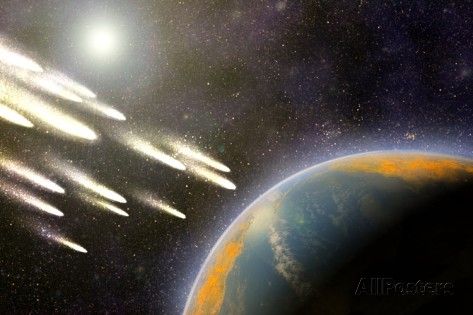

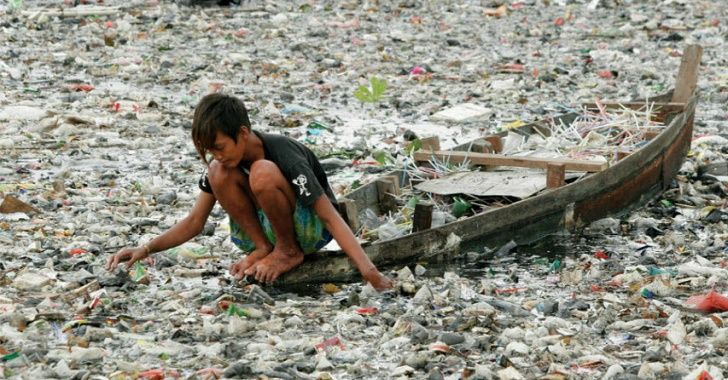
"Plastics do not biodegrade, although, under the influence of solar UV radiations, plastics do degrade and fragment into small particles, termed microplastics."This presents humans with a challenge that must soon be met, considering much of our plastic trash ends up in the ocean where it breaks down into toxic microplastics, winding up in sea life. Not only is this dangerous to the sea life, but it's also dangerous to people because we end up consuming these very fish which we are poisoning with our trash.




Comment: Google Glass is at the top of the list for creepy apps.
Just when you thought Google Glass couldn't get creepier: New App allows strangers to ID you just by looking at you
Google Glass face recognition app - all the world's a stage
Orwellian: Google 'pay per gaze' advertising looks to log user emotions via Glass
Google Glass 'eye wear' distracting, potentially dangerous, and causes privacy concerns