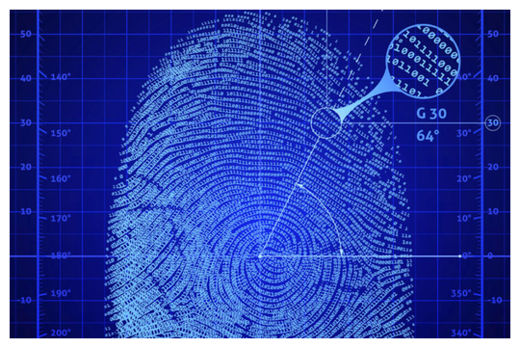
© ThinkstockNew software uses records of previous crimes to predict areas or "hot spots" where police are then dispatched.
The field of "predictive policing" is becoming more and more common as law enforcement officials take advantage of new tools of computer science, machine learning and big data to figure out where criminals may strike next.
These programs are a far cry from
Minority Report, the Tom Cruise film/Philip K. Dick novel in which citizens were arrested days or weeks before they committed crimes. But prediction methods are getting better, focusing not on an individual's brain or personality, but rather individual kinds of behavior of large groups of people -- in this case, the habits of bad guys.
Predictive policing "is not about replacing police officers with
Robo-Cop," said Jeff Brantingham, an anthropologist at the University of California, Los Angeles, who has developed predictive policing software for several big city departments.
"It's about predicting where and when crime might occur."
Brantingham's software uses records of previous crimes -- their location, time of day and type of crime -- to predict areas or "hot spots" where similar events may occur. Police are then dispatched to the area to keep a lookout, or just disrupt any possible criminal behavior.
The PredPol (Predictive Policing) software program is deployed in Los Angeles, Atlanta and Tacoma, Wa., among other cities.Officials with the Cambridge (Mass.) Police Department are working with statistics experts from the Massachusetts Institution of Technology in another direction -- trying to find patterns of behavior in the "modus operandi" previous criminal cases to stop future ones.















Comment: Mars has been more and more in the news lately: