Science & TechnologyS


Comet

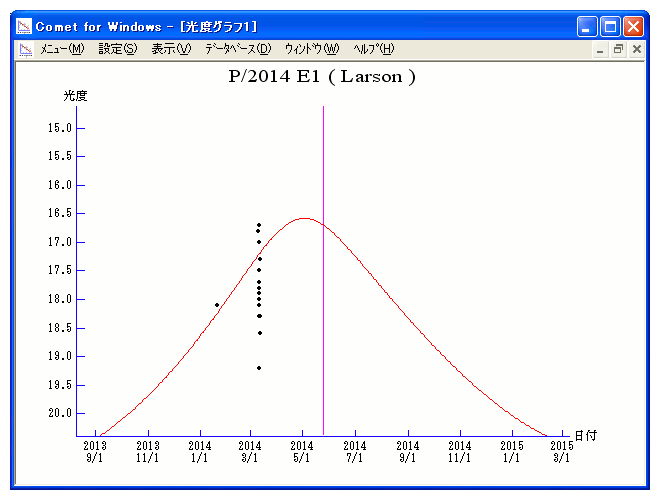
New Comet: P/2014 E1 (Larson)

Discovery Date: March 10, 2014

Magnitude: 16.8 mag

Discoverer: Stephen M. Larson (Catalina Sky Survey)
P/2014 E1 (Larson)
© Aerith NetMagnitudes Graph
m1 = 13.0 + 5 log d + 10.0 log r
The orbital elements are published on M.P.E.C. 2014-E86.

Info

SOTT Focus: Behind the Headlines: Information theory, or why your brain is not your mind

Sott Talk Radio logo
Is your brain really your mind? Is matter the only thing in the universe? Does neo-Darwinism fully explain evolution? In the last few years, we've seen several controversies erupt in the worlds of science and academia, from Rupert Sheldrake's banned TEDx talk to philosopher Thomas Nagel's infamous book Mind and Cosmos, both of which question the modern scientific worldview and its account of the origins of life, the universe, and consciousness. What should we make of it all? Does the mainstream view really explain the world as we know it, or are there better options?

Returning to SOTT Talk Radio this week is Harrison Koehli, writer and editor for Red Pill Press, to talk about his upcoming book on these topics, tentatively titled Mind Matters. The book takes a hard look at the modern scientific worldview, its inherent absurdities, the facts it ignores, and a possible way out of its seemingly insoluble problems: information theory. We'll also be discussing the recent and enigmatic disappearance of Malaysian Airlines Flight 370, and why we shouldn't exclude the possibility that it might have a paranormal explanation. Our reality may be way more paranormal than we think.

Harrison will also give some updates on new and upcoming publications from Red Pill Press.

Running Time: 02:10:00

Download: MP3


X

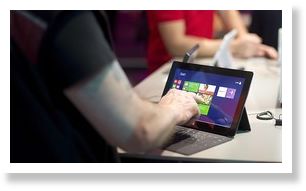
Microsoft caught up in fresh privacy storm

Microsoft
Microsoft on Thursday scrambled to head off a privacy storm after it was revealed that the software company had searched through the private email of a blogger it suspected of having received stolen software code.

The concession marked one of the most damaging privacy gaffes to hit a leading US technology company since revelations in 2013 that the country's National Security Agency had been spying on their users. The companies involved, including Microsoft, reacted with outrage at the secret government snooping.

Cell Phone

Indian student builds shoe that charges cell phone while walking

cell phones
© unknown
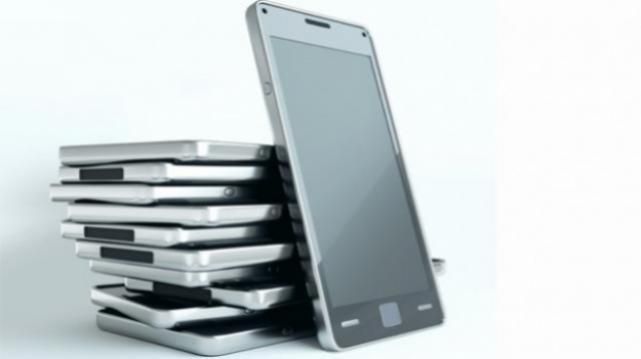
Last month we came across reports about a 15-year old boy who built a 3D printer, and now we have this: A 12th standard boy has created a shoe that can charge mobile devices as you walk. The boy concerned has been identified as Rajesh Adhikari from Nainital, and his shoe takes complete advantage of the energy generated when a person walks, in order to charge a mobile phone.

According to a report by ANI, the idea of making such as waterproof charger struck Adhikari when it snowed heavily at his home town, leading to a power blackout. He had built the device to ensure that in such times, one could charge phones at least for basic communication. But this also means users will have to walk enough to charge the device. A new good reason for exercise perhaps!

Talking about the shoe-mobile charger, Adhikari told the news agency, "When we raise our feet, the spring gets released and the dynamo starts revolving, which generates current. We can charge our mobile phones while we are walking."

Beaker

Scientists use DNA samples to reconstruct faces

Sometime in the future, technicians will go over the scene of the crime. They'll uncover some DNA evidence and take it to the lab. And when the cops need to get a picture of the suspect, they won't have to ask eyewitnesses to give descriptions to a sketch artist - they'll just ask the technicians to get a mugshot from the DNA.

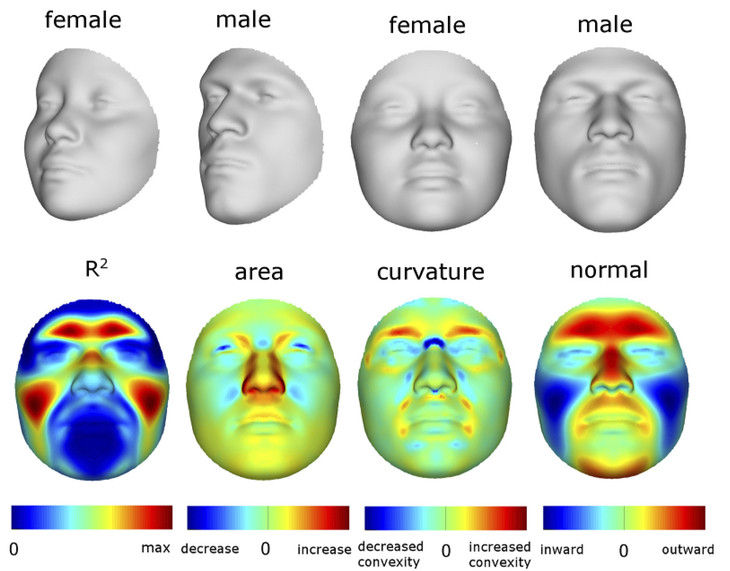
That, at least, is the potential of new research being published today in PLOS Genetics. In that paper, a team of scientists describe how they were able to produce crude 3D models of faces extrapolated from a person's DNA.

"We show that facial variation with regard to sex, ancestry, and genes can be systematically studied with our methods, allowing us to lay the foundation for predictive modeling of faces," the researchers wrote in their paper. "Such predictive modeling could be forensically useful; for example, DNA left at crime scenes could be tested and faces predicted in order to help to narrow the pool of potential suspects."

DNA face reconstruction
© Shriver Claes/Penn State

Robot

A top neuroscientist warns that human cyborgs are a terrible idea

Cyborg
© BioTeams

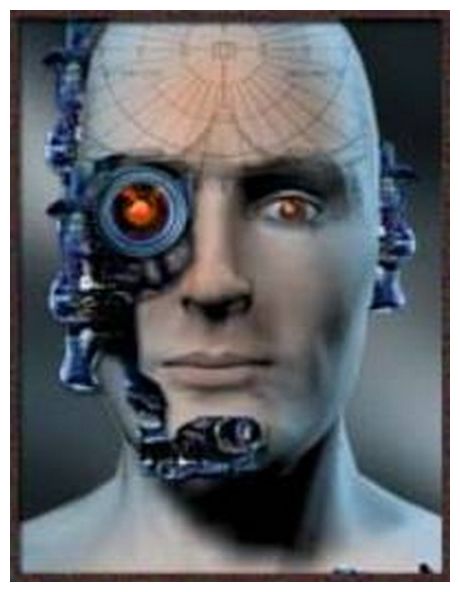
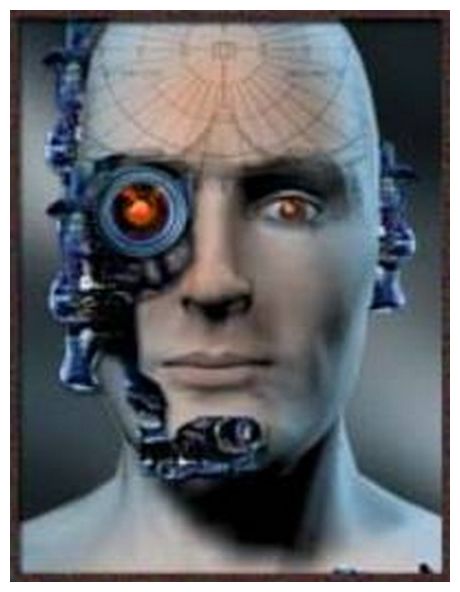
Researchers are always looking at ways to harness the power of the human brain, and augment our grey matter - be it mind-controlled drones, brain-machine interfaces, or using brain scans to predict future criminals. But some scientists warn we shouldn't go cyborg for at least another 100 years.

Paul Werbos, a program manager at the National Science Foundation and one of the country's leading neuroscientists, said that there could be dire consequences if we continue to experiment with the brain before we completely understand how it works.

"We're trying to reverse engineer the brain so we can understand it much better than we do," Werbos said at a panel in Washington, D.C. discussing the state of the future. "But, with the state of technology right now, in 100 years we might be able to reverse engineer [a brain] the level of a mouse."

Werbos, who clarified that he was offering up his own opinions and not those of the NSF, said we could open up a Pandora's Box of problems if we keep innovating without knowing what we're doing.

"Once upon a time, heroin was a great technological breakthrough, but it actually ushered in a new era with which we're still struggling," he said.

"There are a lot of current efforts to manipulate and control the brain without first understanding it ... those efforts, in my view, are closer to heroin. They're very dangerous."

Eye 1

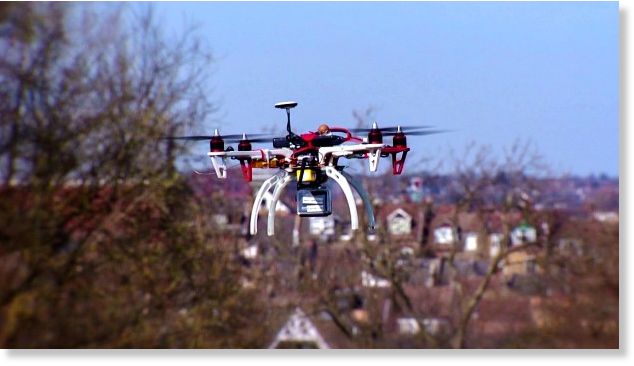
Hackers develop drone that can steal the info on your phone

Image
The next threat to your privacy could be hovering over head while you walk down the street.

Hackers have developed a drone that can steal the contents of your smartphone -- from your location data to your Amazon password -- and they've been testing it out in the skies of London. The research will be presented next week at the Black Hat Asia cybersecurity conference in Singapore.

The technology equipped on the drone, known as Snoopy, looks for mobile devices with Wi-Fi settings turned on.

Snoopy takes advantage of a feature built into all smartphones and tablets: When mobile devices try to connect to the Internet, they look for networks they've accessed in the past.

Sun

Near miss in July 2013: Chinese researchers confirm enormous solar flare could have produced a costly Carrington-class geomagnetic storm

SOlar Blast Devestating
© Reuters/NASA
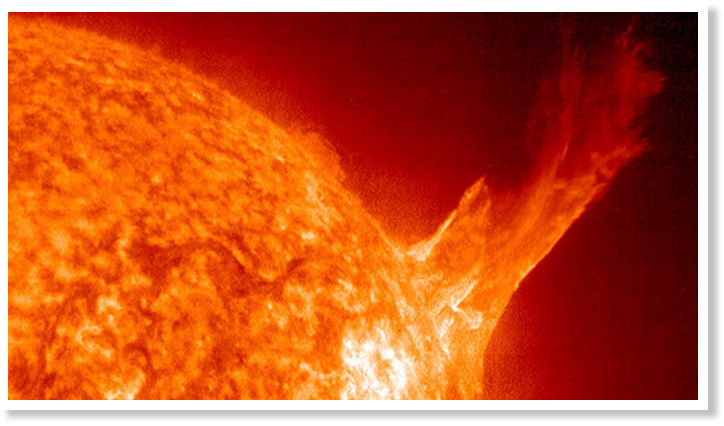
Citizens of Earth had no idea how close the planet was to getting slammed with a devastating solar flare back in July 2013, but scientists claim we only missed the damaging event by nine days.

As noted by Reuters, scientists found that a series of coronal mass ejections - powerful eruptions on the sun's surface that send waves of magnetized plasma through the solar system - occurred last year sometime between July 22 and 23. The blasts traveled through Earth' orbit, but narrowly missed colliding with the planet.

According to a new report published in the Nature Communications journal on Tuesday, if the solar eruptions occurred just nine days earlier, they would have likely hit Earth and caused a great deal of damage to the planet's magnetic field. Fortunately for us, the Earth was on the other side of the sun by that point.

Scientists believe the blast would have equaled the might of the most powerful magnetic storm ever recorded: the Carrington event of 1859, which took down telegraph services around the world.

Info

Sea anemones are half-plant, half-animal, gene study finds

Sea Anemone
© Copyright Nature, 2005The sea anemone is a genetic oddball, with some traits similar to plants and others more closely resembling higher animals.
The sea anemone is an oddball: half-plant and half-animal, at least when it comes to its genetic code, new research suggests.

The sea creature's genes look more like those of animals, but the regulatory code that determines whether those genes are expressed resembles that in plants, according to a study published Tuesday (March 18) in the journal Genome Research.

What's more, the complicated network of gene interactions found in the simple sea anemone resembles that found in widely divergent, more complex animals.

"Since the sea anemone shows a complex landscape of gene regulatory elements similar to the fruit fly or other model animals, we believe that this principle of complex gene regulation was already present in the common ancestor of human, fly and sea anemone some 600 million years ago," Michaela Schwaiger, a researcher at the University of Vienna, said in a statement.

Cell Phone

Sick? There will soon be an app for that

bacteria detection
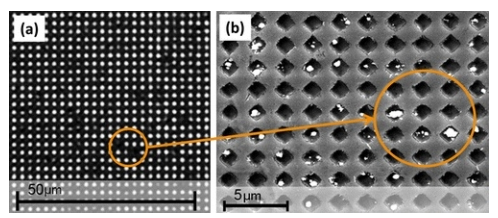
© unknownLeft: Pathogens and silver particles, blocking holes to detect the presence of bacteria. Right: A close-up of blocked holes
Research conducted by scientists at the University of Houston brings your phone one step closer to telling you when you're sick. Jiming Bao, an assistant professor of electrical and computer engineering, and Richard Willson, a professor of chemical and biomolecular engineering, together developed a gold-lined glass slide with holes that will be blocked in the presence of bacteria. The concept is still being developed, but Willson claims a final product that attaches to your phone could cost only $20.

That price is bold, especially for a technique so involved beneath the surface. The process centers around a glass slide covered in light-sensitive material, and evaporated gold with tiny holes that allow light to pass through them. Disease antibodies are placed into the holes of the slide, sticking to the glass. If a biological sample contains that disease, those molecules will bond with the antibodies in the holes. This isn't enough to completely cover the holes, so another layer of antibodies is placed on top, along with enzymes that evoke silver production. After a short period of time, the slide can be rinsed again and the silver produced will be enough to block light from coming through the holes.

Comment: Are we so dense that we need a phone to tell us when we're sick?