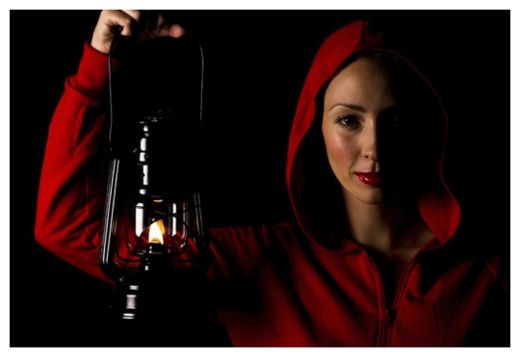
© Thinkstock
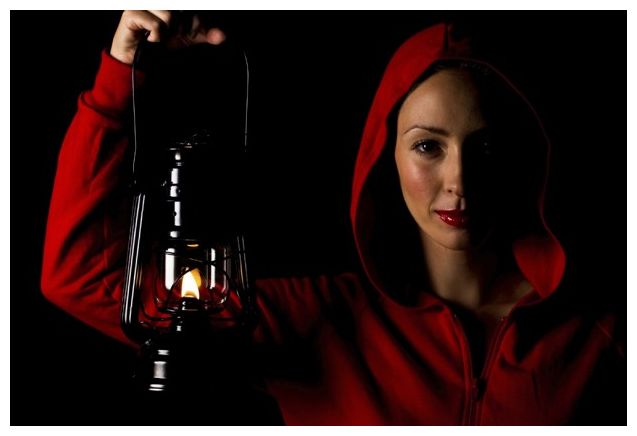
Are you a night owl who likes to stay up to study or watch late-night talk shows? Or an early bird who likes to get a head start on the competition?
According to a new study from a
University of Chicago professor, your personal sleeping habits are related to your propensity for taking risks - with night owls being higher risk takers than early birds.
The study, which was published in the journal
Evolutionary Psychology, also found that sleeping preferences are linked to other personality traits.
"Night owls, both males and females, are more likely to be single or in short-term romantic relationships versus long-term relationships, when compared to early birds," said study author,
Dario Maestripieri, professor of comparative human development at UChicago. "In addition, male night owls reported twice as many sexual partners than male early birds."
To reach his conclusion, Maestripieri used information from an
earlier study of over 500 graduate students at the University of Chicago. That study examined financial risk aversion for male and female students and discovered men tended to take more financial risks than women. However, females with relatively higher testosterone levels were comparable to males with respect to financial risk-taking, the earlier study showed.
To expand on that study, the Chicago professor looked to see if sleep patterns have any effect on these risk-taking tendencies by looking at an association with differences in personality and in thrill-seeking. Maestripieri began by collecting saliva samples from 110 males and 91 females to determine their levels of the stress hormone cortisol and testosterone. The levels were determined before and after participants completed a computerized assessment of their predilection for financial risk aversion. The participants also talked about their own eagerness for risks and gave information about their sleep habits.














Comment: Below is a excerpt of the BBC interview courtesy of The Global Warming Policy Foundation:
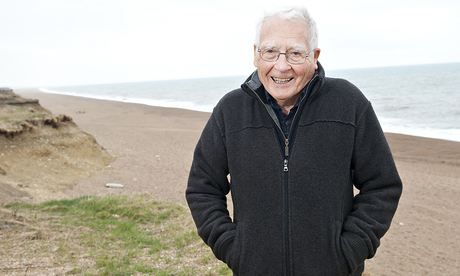
James Lovelock on BBC Newsnight: 'I don't think anybody really knows what's happening'
[...] James Lovelock: Take this climate matter everybody is thinking about. They all talk, they pass laws, they do things, as if they knew what was happening. I don't think anybody really knows what's happening. They just guess. And a whole group of them meet together and encourage each other's guesses.
Jeremy Paxman: That latest report from the Intergovernmental Panel on Climate Change did suggest that there was something inevitable about climate change, that it had already begun and that we had to adjust to it. All of these things are true, are they not, as far as we know?
James Lovelock: Absolutely, that is true, the last [IPCC] report is very similar to the statements I made in my book about 8 years ago, called The Revenge of Gaia. It's almost as if they've copied it.
Jeremy Paxman: Sure. But you then, after publishing these apocalyptic predictions, you then retracted them.
James Lovelock: Well, that's my privilege. You see, I'm an independent scientist. I'm not funded by some government department or commercial body or anything like that. If I make a mistake, then I can go public with it. And you have to, because it is only by making mistakes that you can move ahead.
Jeremy Paxman: It follows from that, does it not, that this panel on climate change which has, as you point out, vested interests involved, may be just as likely or even more likely to make mistakes?
James Lovelock: That would be a lot of hubris on my part to say that, but it is possible.