© Thinkstock
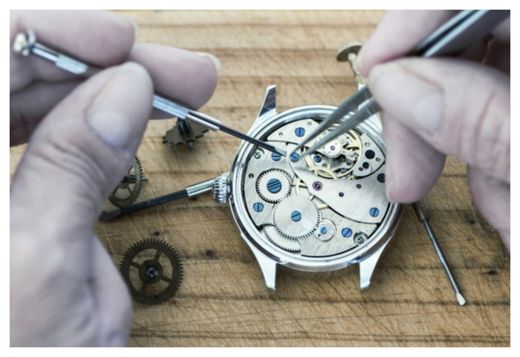
Forget those hi-tech apps and widgets. Forget your anachronistic lo-tech paper calendars with cutesy pictures of animals or romantic misty landscapes. You might react to these artificial cues and bring some semblance of order to your life, but physiologically, your body dances to a different tune - the hard-wired circadian rhythms that drive many biological processes to cycle every 24 hours.
From the very beginnings of life on earth, in the earliest cells of the most primitive organisms, this fundamental process of life has been essential for survival. To protect the all-important replicating DNA of the first living beings from high ultraviolet radiation during the daytime, those organisms developed photosensitive proteins and circadian rhythms. Surviving to this day, for instance, the fungus
Neurospora retains this clock-regulated mechanism.
When the natural function of circadian rhythm is disrupted, the human body can succumb to many related health problems, including metabolic disease and neuropsychiatric illnesses such as bipolar disorder, anxiety, depression, schizophrenia, as well as sleep and anxiety disorders. You mess with that pre-fungal bio-app, the circadian clock, at your peril.
But some intriguing work by Thomas Burris, Ph.D., chair of pharmacological and physiological science at Saint Louis University (SLU) and his colleagues brings promise of new ways to treat problems that are associated with circadian dysfunction.


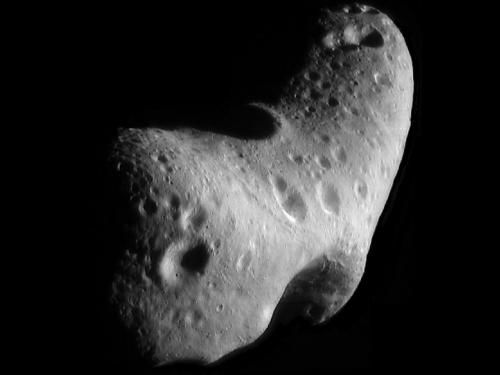












Comment: Really! Sounds more like the prime goal is that of 'perception management' based on 'bogus science'? Forget about funding for advanced warning systems - NASA et al. are broke, and as for asteroid-deflection technologies, many are just absurd. NASA are downplaying the sharp rise in meteor fireball impacts over last 20 years which was first noticed and tracked by SOTT.net in 2002.
Look to the past for what is to come! Celestial Intentions: Comets and the Horns of Moses